 书单
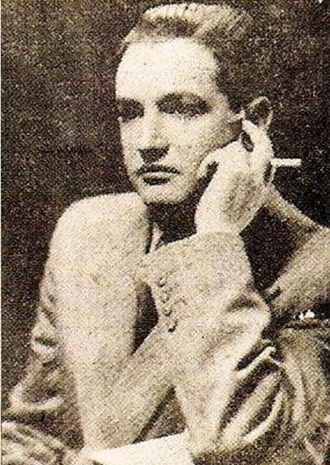
豪尔赫·伊卡萨
- 生卒
- 1906 – 1978
- 国籍
- 厄瓜多尔
- 外文名
- Jorge Icaza Coronel
照片:Jorge Icaza,CC BY 4.0,来自维基共享资源「Jorgeicaza.png」(经缩小)。
生平与创作
豪尔赫·伊卡萨·科罗内尔(西班牙语:Jorge Icaza Coronel,1906年6月10日—1978年5月26日)是厄瓜多尔作家。厄瓜多尔现实主义文学的代表作家之一,著有小说《瓦西蓬戈》等作品。
以上文字摘自维基百科「豪尔赫·伊卡萨」(去掉了参考文献等尾部小节),按 CC BY-SA 4.0 使用,作者为维基百科的各位编者。
中文维基百科的条目比较短,下面附上英文维基百科的内容(英文原文):
Jorge Icaza Coronel (July 10, 1906 – May 26, 1978), commonly referred to as Jorge Icaza, was a writer from Ecuador, best known for his novel Huasipungo, which brought attention to the exploitation of Ecuador's indigenous people by Ecuadorian whites.
He was born in Quito in 1906 and died of cancer in the same city in 1978.
Career
Playwright
Jorge Icaza's literary career began as a playwright. His plays include El Intruso in 1928, La Comedia sin Nombre in 1929, Cuál es in 1931, Sin Sentido in 1932, and Flagelo, which was published in 1936. After his 1933 playscript, El Dictador, was censured, Icaza turned his attention to writing novels about the social conditions in Ecuador, particularly the oppression suffered by its indigenous people.
Novelist
With the publication of Huasipungo in 1934, Icaza achieved international fame. The book became a well-known "Indigenist" novel, a movement in Latin American literature that aspired to realism in its depiction of the mistreatment of the indigenous. Fragments of the book first appeared in English translation in Russia, where it was welcomed enthusiastically by Russia's peasant socialist class. Jorge Icaza was later appointed Ecuador's ambassador to Russia.
The first complete edition of Huasipungo was translated into English in 1962 by Mervyn Savill and published in England by Dennis Dobson Ltd. An "authorized" translation appeared in 1964 by Bernard H. Dulsey, and was published in 1964 by Southern Illinois University Press in Carbondale, IL as "The Villagers".
His other books include Sierra (1933), En las calles (1936), Cholos (1938), Media vida deslumbrados (1942), Huayrapamushcas (1948), Seis relatos (1952), El chulla Romero y Flores (1958), and Atrapados (1973). Although the latter two books are recognized as Icaza's greatest literary achievements by experts (such as Theodore Alan Sackett), Huasipungo continues to be his most popular book and has been translated to over 40 languages.
Impact
Jorge Icaza and Huasipungo are often compared to John Steinbeck and his Grapes of Wrath from 1939, as both are works of social protest. Besides the first edition of 1934, Huasipungo went through two more editions or complete rewritings in Spanish, 1934, 1953, 1960, the first of which was difficult for even natives of other Hispanic countries to read and the last the definitive version. This makes it difficult for the readers to ascertain which version they are reading.
Besides being an "indigenista" novel, Huasipungo has also been considered a proletarian novel, and that is because Latin America had to substitute the Indians for the European working class as a model or character of proletarian literature.
Icaza became internationally popular based upon his publications, and was invited to many colleges in the United States to give lectures on the problems of the indigenous people of Ecuador.
以上文字摘自英文维基百科「Jorge Icaza Coronel」(去掉了参考文献等尾部小节),按 CC BY-SA 4.0 使用,作者为维基百科的各位编者。
资料卡
- 出生
- 1906 年 6 月 10 日
- 出生地
- 基多
- 逝世
- 1978 年 5 月 26 日
- 逝世地
- 基多
- 职业
- 外交官、作家、演员、小说家
- 使用语言
- 西班牙语
- 就读学校
- Unidad educativa Mejia
- 代表作
- Huasipungo、El chulla Romero y Flores
资料卡来自 Wikidata Q961263(CC0),众包数据,个别字段可能不全。
本站收录的作品(1)
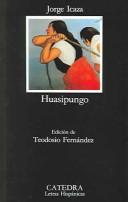
作品年表(1 本)
本站书库里署名豪尔赫·伊卡萨的书(Open Library 上至少 10 人加过书架的才收),按首版年份排(有本站书页的用 Wikidata 记的首版年,其余用 Open Library 的);年份偶尔记成后来的版本或译本,以原书为准。全部作品见 Open Library。
- 1934Huasipungo书架 28