 书单
郭勋
- 生卒
- 1475 – 1542
- 国籍
- 明朝
- 外文名
- Guo Xun
生平与创作
郭勋(1476年—1542年),号苍岩,明朝武官,明朝开国勋臣武定侯郭英六世孙。
生平
生于成化十二年丙申。正德初年,父亲郭良逝世后,郭勋承袭爵位,并镇守两广、统领三千营。嘉靖帝登基之初,郭勋因在大礼议事件中支持张璁,获得嘉靖帝宠幸。嘉靖初年,统领京师左军都督掌团营。并主持四郊兴建,后恃宠骄横。与大学士杨一清等交恶。嘉靖十八年(1539年),其借编撰《英烈传》时,编造郭英射死陈友谅历史,邀功请郭英配享太庙。群臣反对,侍郎唐胄尤其。后嘉靖帝不听劝阻,仍然使其配享,郭勋则被加为太师。后因行事缓慢,嘉靖帝书敕令与他,他却说“何必劳烦皇帝写敕令”。嘉靖帝大怒,责其“强悖无人臣礼”。给事中高时趁机告发郭勋所干坏事,并称他与张延龄交结,嘉靖帝益怒。嘉靖二十年(1541年)九月,将郭勋下锦衣狱。第二年冬十月,郭勋死于狱中。
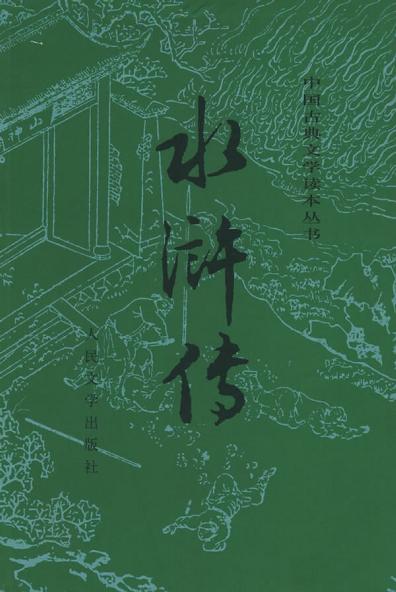
历史上传闻其为《水浒传》的原作者,后遭胡适等人考证批驳。
家族
夫人赵氏(1488年-1554年),梁国公赵德胜之曾孙女,诰封武定侯夫人,生子郭守干,袭封武定侯。一女嫁惠安伯张镧。
以上文字摘自维基百科「郭勋」(去掉了参考文献等尾部小节),按 CC BY-SA 4.0 使用,作者为维基百科的各位编者。
中文维基百科的条目比较短,下面附上英文维基百科的内容(英文原文):
Guo Xun (1475 – 15 November 1542) was a Chinese aristocrat, military officer, statesman, and writer of the Ming dynasty. He inherited the title of Marquis of Wuding from his father, a hereditary title held by their family since the founding of the dynasty. During the early reign of the Jiajing Emperor, Guo Xun supported the Emperor in the Great Rites Controversy, a major court dispute concerning imperial succession and ritual precedence. His support earned him the Emperor's long-term favor, and he became one of the Emperor's most trusted political associates. During the 1520s and 1530s, Guo served as one of the commanders responsible for the defense of Beijing and its surrounding areas. He also supervised imperial construction projects in the capital and received repeated honors from the court. In 1539, the Emperor elevated his title to Duke of Yi. His career reflected the influence that hereditary military aristocrats could retain at the Ming court through close relations with the emperor.
Partly because of his support for the Emperor during the Great Rites, Guo was repeatedly accused of various unlawful acts, most of them involving the abuse of his position for the embezzlement of state funds. The Emperor long dismissed the accusations as manifestations of factional struggles at court. In 1541 he withdrew his support for Guo and approved his imprisonment, but refused to authorize his execution. Guo died in prison.
Early life and career
Guo Xun was born in 1475 into a noble family who held the hereditary title Marquis of Wuding (武定侯). The first Marquis of Wuding was Guo Ying (郭英), who, together with his brother Guo Xing (郭興), was among the early military followers of the Hongwu Emperor, the founder of the Ming dynasty. The Hongwu Emperor appointed the Guo brothers as generals and marquises, and through several marriages the family became related to the imperial house. Guo Xun inherited the title of marquis in 1508 after the death of his father, Guo Liang (郭良; 1454–1507).
Little is known about Guo's early life. By 1512, he had become the grand defender of Guangdong and Guangxi provinces. In 1521, he was one of the commanders responsible for the security and defense of Beijing.
Under the Jiajing Emperor
After the accession of the Jiajing Emperor in 1521, Guo became one of his loyal supporters. In 1522, he was appointed commander of the Three Great Camps, the Ming military forces stationed in and around Beijing. He was one of the few officials who supported the Jiajing Emperor during the Great Rites Controversy of 1521–1524, which concerned the status of the Emperor's parents. In 1524, among other actions, he ensured the security of the Emperor's supporters Zhang Cong and Gui E after their arrival in Beijing, temporarily accommodated them in his residence, and facilitated their meeting with the Emperor.
In 1526–1527, Guo became involved in the Li Fuda case. The case began in 1526 when Zhang Yin (張寅), an officer from Taiyuan (the provincial capital of Shanxi) and a former member of Guo's household, was arrested and accused of being the Shaanxi rebel Li Fuda (李福達) as well as the sorcerer Li Wu (李午). Zhang had previously served Guo by obtaining aphrodisiacs for him and had provided his son as a sexual companion to the marquis. The local authorities acquitted Zhang and instead punished those who had reported him. Zhang's son, who was living in Beijing, sought Guo's assistance. Guo intervened on behalf of the accused and wrote to Ma Lu (馬錄), the regional inspector of Shanxi, asking him to drop the case. Ma refused the attempted bribe and instead accused Guo of treason for protecting a rebel wanted for mass murder, presenting Guo's letter as evidence. Zhang surrendered himself to the authorities after they arrested his sons.
以上文字摘自英文维基百科「Guo Xun (Ming dynasty)」(有删节,去掉了参考文献等尾部小节),按 CC BY-SA 4.0 使用,作者为维基百科的各位编者。
资料卡
- 出生
- 1475 年
- 逝世
- 1542 年 10 月
- 职业
- 政治人物
资料卡来自 Wikidata Q15917063(CC0),众包数据,个别字段可能不全。
本站收录的作品(1)
作品改编
同时代的明朝作家
Open Library 上的全部作品
正在读取…