 书单
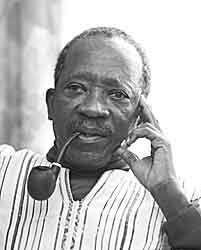
乌斯曼·塞姆班
- 生卒
- 1923 – 2007
- 国籍
- 塞内加尔
- 外文名
- Ousmane Sembène
照片:Günter Prust,CC BY 3.0,来自维基共享资源「Ousmane Sembène (1987) by Guenter Prust.jpg」(经缩小)。
生平与创作
奥斯曼·森贝内(法语:Ousmane Sembène,1923年1月1日—2007年6月9日),塞内加尔电影导演、制作人和编剧。他常被人们称作“非洲电影之父”。
电影生涯
森贝内十分关心社会变迁,试图接触最广的受众。1960年他回到塞内加尔后,意识到自己的文学作品只能被少部分精英阶层的人阅读。于是,在他40岁时,他决心投入制作电影的事业,以创作出更贴近普通非洲观众的作品。
1963年,他制作了首部电影——《Barom Sarret》,次年他给该片取了个短小精悍的名字——《Niaye》。1966年,他拍摄了自己的首部剧情片——《黑女孩》,它是根据森贝内自己的一篇短篇小说改编;该片也是撒哈拉以南非洲导演制作的首部剧情片。虽然这部法语片只有60分钟,但获得了让·维果奖,为非洲电影赢得了世界声誉。1968年,他拍摄的电影《汇票》在第29届威尼斯影展上获得评审团特别奖。该片获得成功后,森贝内又拍了一部以自己的母语沃洛夫语对白的影片《汇款单》,之后又拍摄了沃洛夫语影片《萨拉》(1975、根据他自己的小说改编)、《外来人》(1977)、《泰鲁易军营》(1987)和《Guelwaar》(1992)。1971年他还制作了迪奥拉语影片《Emitai》。1977年,他曾任第27届柏林国际电影节评审团成员。
森贝内电影的通常的主题是殖民主义的历史、宗教的失败、对非洲新资产阶级的批判、以及非洲妇女的力量。他最近的影片《穆拉戴》(2004)曾在戛纳电影节获奖。
以上文字摘自维基百科「乌斯曼·塞姆班」(去掉了参考文献等尾部小节),按 CC BY-SA 4.0 使用,作者为维基百科的各位编者。
中文维基百科的条目比较短,下面附上英文维基百科的内容(英文原文):
Ousmane Sembène (French: [usman sɑ̃bɛn]; 1 January 1923 or 8 January 1923 – 9 June 2007), was a Senegalese film director, producer and writer. The Los Angeles Times considered him one of the greatest authors of Africa and he has often been called the "father of African film".
He was often credited for his work in the French style as Sembène Ousmane, which he seemed to favor as a way to underscore the "colonial imposition" of this naming ritual and subvert it.
Descended from a Serer family through his mother from the line of Matar Sène, Ousmane Sembène was particularly drawn to Serer religious festivals. He especially was intrigued by the Tuur festival.
Early life
The son of a fisherman and his wife, Ousmane Sembène was born in Ziguinchor in Casamance to a Lebou family. From childhood he was exposed to the Serer religion through his mother's people, especially the Tuur festival, in which he was made "cult servant". Although the Tuur demands offerings of curdled milk to the ancestral spirits (Pangool), Sembène did not take his responsibility as cult servant seriously and was known for drinking the offerings made to the ancestors. Some of his adult work draws on Serer themes. His maternal grandmother reared him and greatly influenced him. Women play a major role in his works.
Sembène's knowledge of French and basic Arabic besides Wolof, his mother tongue, followed his attendance at a madrasa, as was common for many Muslim boys, and a French school until 1936, when he clashed with the principal. Sembène worked with his father—he was prone to seasickness—until 1938. At the age of fifteen, he moved to Dakar, where he worked in a variety of manual labour jobs.
In 1944, during World War II and after the Fall of France, Sembène was drafted into the Senegalese Tirailleurs (a corps of the French Army). His later World War II service was with the Free French Forces. After the war, he returned to his home country. In 1947 he participated in a long railroad strike, on which he later based his seminal novel God's Bits of Wood (1960).
Late in 1947, Sembène stowed away to reach France, where he worked at a Citroën factory in Paris. He went south to work on the docks at Marseille, where he became active in the French trade union movement. He joined the communist-led CGT and the Communist party, helping to lead a strike to hinder shipment of weapons for the French colonial war in Vietnam. During this time, he discovered the Harlem Renaissance writer Claude McKay and the Haitian Marxist writer Jacques Roumain.
Early literary career
Sembène taught himself to read and write in French. He drew on many of his life experiences in his debut novel, Le Docker Noir, written in French (1956, later published in English as The Black Docker). This was the story of Diaw, an African stevedore who faces racism and mistreatment on the docks at Marseille. Diaw writes a novel, which is later stolen by a white woman and published under her name. When he confronts her, he accidentally kills her. He is tried and executed in scenes highly reminiscent of Albert Camus's The Stranger (1942, also translated as The Outsider).
Though Sembène focuses particularly on the mistreatment of African immigrants, he also details the oppression of Arab and Spanish workers. He demonstrates that the issues concern xenophobia as much as they do race. This is written in a social realist mode, as was much of his subsequent fiction. His debut marked the beginning of Sembène's literary reputation. The success of this novel provided enough financial return for him to continue writing.
以上文字摘自英文维基百科「Ousmane Sembène」(有删节,去掉了参考文献等尾部小节),按 CC BY-SA 4.0 使用,作者为维基百科的各位编者。
资料卡
- 出生
- 1923 年 1 月 1 日
- 出生地
- 济金绍尔
- 逝世
- 2007 年 6 月 9 日
- 逝世地
- 达喀尔
- 职业
- 电影导演、电影制片人、演员、剧作家、编剧、装卸、政治活动者、散文家 等 10 项
- 使用语言
- 法语、沃洛夫语
- 就读学校
- 全苏国立电影学院(1961)
- 代表作
- Les bouts de bois de Dieu、黑女孩、汇票、哈拉、Ceddo、割礼龙凤斗、Borom Sarret
- 获奖
- 法国荣誉军团军官勋章(2006)、金马车奖(2005)、让·维戈奖(1966)、一种注目(2004);另有 2 项只有外文名
资料卡来自 Wikidata Q314966(CC0),众包数据,个别字段可能不全。
本站收录的作品(2)
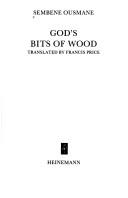
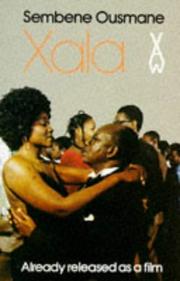
作品年表(3 本)
本站书库里署名乌斯曼·塞姆班的书(Open Library 上至少 10 人加过书架的才收),按首版年份排(有本站书页的用 Wikidata 记的首版年,其余用 Open Library 的);年份偶尔记成后来的版本或译本,以原书为准。全部作品见 Open Library。
- 1960Les bouts de bois de Dieu书架 62
- 1973Xala书架 26
- 1985African Short Stories书架 56