 书单
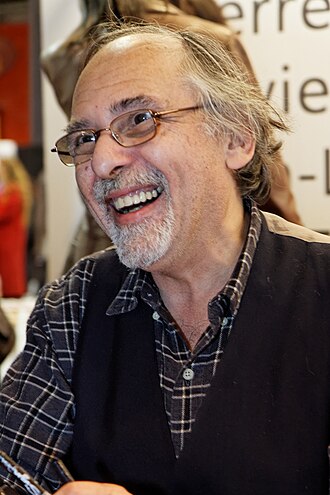
阿尔玆·施皮格尔曼
- 生卒
- 1948 –
- 国籍
- 美国
- 外文名
- Art Spiegelman
照片:Thesupermat,CC BY-SA 3.0,来自维基共享资源「Paris - Salon du livre 2012 - Art Spiegelman - 001.jpg」(经缩小)。
生平与创作
这个词条暂时没有中文维基百科条目,下面是英文维基百科的内容(英文原文):
Itzhak Avraham ben Zeev Spiegelman ( SPEE-gəl-mən; born February 15, 1948), professionally known as Art Spiegelman, is a Polish-American cartoonist, editor, and comics advocate best known for his graphic novel Maus. His work as co-editor on the comics magazines Arcade and Raw has been influential, and from 1992 he spent a decade as contributing artist for The New Yorker. He is married to designer and editor Françoise Mouly and is the father of writer Nadja Spiegelman. In September 2022, the National Book Foundation announced that he would receive the Medal for Distinguished Contribution to American Letters.
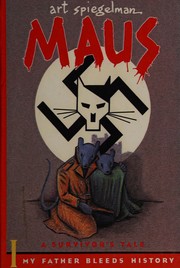
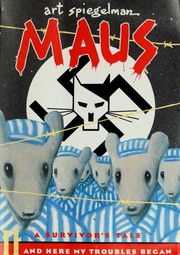
Spiegelman began his career with Topps (a bubblegum and trading card company) in the mid-1960s, which was his main financial support for two decades; there he co-created parodic series such as Wacky Packages in the 1960s and Garbage Pail Kids in the 1980s. He gained prominence in the underground comix scene in the 1970s with short, experimental, and often autobiographical work. A selection of these strips appeared in the collection Breakdowns in 1977, after which Spiegelman turned his focus to the book-length Maus, about his relationship with his father, a Holocaust survivor. The postmodern graphic novel depicts Germans as cats, Jews as mice, ethnic Poles as pigs, and citizens of the United States as dogs. Spiegelman spent 13 years on the project, completing it in 1991. In 1992 it won a special Pulitzer Prize and has gained a reputation as a pivotal work.
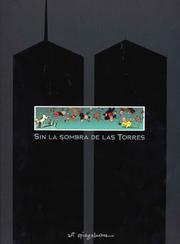
Spiegelman and Mouly edited eleven issues of Raw from 1980 to 1991. The oversized comics and graphics magazine helped introduce talents who became prominent in alternative comics, such as Charles Burns, Chris Ware, and Ben Katchor, and introduced several foreign cartoonists to the English-speaking comics world. Beginning in the 1990s, the couple worked for The New Yorker, which Spiegelman left to work on In the Shadow of No Towers (2004), about his reaction to the September 11 attacks in New York in 2001.
Spiegelman advocates for greater comics literacy. As an editor, a teacher, and a lecturer, Spiegelman has promoted better understanding of comics and has mentored younger cartoonists.
Family history
Spiegelman's parents were Polish Jews Władysław (1906–1982) and Andzia (1912–1968) Spiegelman. His father was born Zeev Spiegelman, with the Hebrew name Zeev ben Avraham. Władysław was his Polish name, and Władek (or Vladek in anglicized form) was a diminutive of this name. He was also known as Wilhelm under the German occupation, and Anglicized his name to William upon immigration to the United States. His mother was born Andzia Zylberberg, with the Hebrew name Hannah. She changed her name to Anna upon immigrating to the United States. In Spiegelman's Maus, from which the couple are best known, Spiegelman used the spellings "Vladek" and "Anja", which he believed would be easier for Americans to pronounce. The surname Spiegelman is German for "mirror man".
In 1937, the Spiegelmans had one other son, Rysio (spelled "Richieu" in Maus), who died before Art was born, at the age of five or six. During the Holocaust, Spiegelman's parents sent Rysio to Zawiercie to stay with his maternal aunt, Tosha, with whom they believed he would be safe. In 1943, the aunt poisoned herself, along with Rysio and two other young family members in her care, so that the Nazis could not take them to the extermination camps. After the war, the Spiegelmans, unable to accept that Rysio was dead, searched orphanages all over Europe in the hope of finding him. Spiegelman talked of having a sort of sibling rivalry with his "ghost brother"; he felt unable to compete with an "ideal" brother who "never threw tantrums or got in any kind of trouble". Of 85 Spiegelman relatives alive at the beginning of World War II, only 13 are known to have survived the Holocaust.
Life and career
Early life
He began cartooning in 1960 and imitated the style of his favorite comic books, such as Mad. In the early 1960s, he contributed to early fanzines such as Smudge and Skip Williamson's Squire, and in 1962—while at Russell Sage Junior High School in Forest Hills, Queens, where he was an honors student—he produced the Mad-inspired fanzine Blasé. He was earning money from his drawing by the time he reached high school and sold artwork to the original Long Island Press and other outlets. His talent caught the eyes of United Features Syndicate, who offered him the chance to produce a syndicated comic strip. Dedicated to the idea of art as expression, he turned down this commercial opportunity. He attended the High School of Art and Design in Manhattan beginning in 1963. He met Woody Gelman, the art director of Topps Chewing Gum Company, who encouraged Spiegelman to apply to Topps after graduating from high school. At age 15, Spiegelman received payment for his work from a Rego Park newspaper.
After he graduated in 1965, Spiegelman's parents urged him to pursue the financial security of a career such as dentistry, but he chose instead to enroll at Harpur College to study art and philosophy. While there, he got a freelance art job at Topps, which provided him with an income for the next two decades.
Spiegelman attended Harpur College from 1965 until 1968, where he worked as staff cartoonist for the college newspaper and edited a college humor magazine. After a summer internship when he was 18, Topps hired him for Gelman's Product Development Department as a creative consultant making trading cards and related products in 1966, such as the Wacky Packages series of parodic trading cards begun in 1967.
Spiegelman began selling self-published underground comix on street corners in 1966. He had cartoons published in underground publications such as the East Village Other and traveled to San Francisco for a few months in 1967, where the underground comix scene was just beginning to burgeon.
以上文字摘自英文维基百科「Art Spiegelman」(有删节,去掉了参考文献等尾部小节),按 CC BY-SA 4.0 使用,作者为维基百科的各位编者。
资料卡
- 母语名
- Art Spiegelman
- 本名
- Itzhak Avraham ben Zeev Spiegelman 等 2 项
- 笔名
- Art Spiegelman
- 出生
- 1948 年 2 月 15 日
- 出生地
- 斯德哥尔摩
- 职业
- 漫画家、编辑、插画家、版画家、摄影师、商业艺术家、素描家、出版人 等 9 项
- 使用语言
- 英语
- 就读学校
- 艺术和设计高中、宾汉顿大学
- 所属团体
- 美国文理科学院、美国艺术暨文学学会
- 配偶
- 弗朗索瓦兹·莫利(1977)
- 代表作
- 鼠族、消失于黑影中的塔、Raw
- 获奖
- 古根海姆学者奖(1990)、普利策特别奖(1992)、艾斯纳奖(1992)、哈维奖(1992)、艺术与文学勋章骑士勋位(2005)、墨宝奖(1987)、美国图书奖(1992)、安古兰漫画节终身成就奖(2011)、黄孩子奖(1982)、埃德逊奖(1988);另有 10 项只有外文名
资料卡来自 Wikidata Q325945(CC0),众包数据,个别字段可能不全。
本站收录的作品(4)
作品年表(6 本)
本站书库里署名阿尔玆·施皮格尔曼的书(Open Library 上至少 10 人加过书架的才收),按首版年份排(有本站书页的用 Wikidata 记的首版年,其余用 Open Library 的);年份偶尔记成后来的版本或译本,以原书为准。全部作品见 Open Library。
- 1977Breakdowns书架 10
- 1986鼠族Maus I书架 1,115
- 1991鼠族Maus II书架 151
- 2000Little Lit书架 10
- 2004消失于黑影中的塔In the Shadow of No Towers书架 21
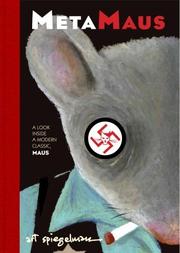
- 2011MetaMaus书架 76