 书单
James H. Austin
- 生卒
- 1925 –
- 国籍
- 美国
生平与创作
这个词条暂时没有中文维基百科条目,下面是英文维基百科的内容(英文原文):
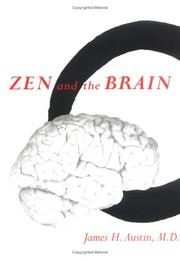
James H. Austin is an American neurologist and author. He is the author of the book Zen and the Brain. It establishes links between the neurophysiology of the human brain and the practice of meditation, and won the Scientific and Medical Network Book Prize for 1998. He has written five sequels: Zen-Brain Reflections (2006), Selfless Insight (2009), Meditating Selflessly (2011), Zen-Brain Horizons (2014) and Living Zen Remindfully (2016).
Career
Austin has been an academic neurologist for most of his career, first at the University of Oregon Medical School, then as chairman of neurology at the University of Colorado School of Medicine. He is currently Emeritus professor of neurology at the University of Colorado Medical School, Denver and visiting professor of neurology at the University of Florida College of Medicine. His publications number over 140 articles involving research in the areas of clinical neurology, neuropathology, neurochemistry and neuropharmacology.
Experience with Zen
Austin has been a practicing Zen Buddhist since 1974. He began in Kyoto at Daitoku-ji as a student of the Rinzai roshi Kobori Nanrei Sohaku.
After eight years of regular Zen meditation, Austin experienced the taste of what Zen practice calls kenshō. The chief characteristic of this experience was a loss of the sense of "self" which is so central to human identity, plus a feeling that "Just This" is the way all things really are in the world. While he was on a sabbatical in England, he was waiting for an Underground train when he suddenly entered a state of enlightenment unlike anything he had ever experienced. In Austin's words, "It strikes unexpectedly at 9 am on the surface platform of the London subway system. [Due to a mistake] ... I wind up at a station where I have never been before...The view includes the dingy interior of the station, some grimy buildings, a bit of open sky above and beyond. Instantly the entire view acquires three qualities: Absolute Reality, Intrinsic Rightness, Ultimate Perfection."
"With no transition, it is all complete....Yes, there is the paradox of this extraordinary viewing. But there is no viewer. The scene is utterly empty, stripped of every last extension of an I-Me-Mine [his name for ego-self]. Vanished in one split second is the familiar sensation that this person is viewing an ordinary city scene. The new viewing proceeds impersonally, not pausing to register the paradox that there is no human subject "doing" it. Three insights penetrate the experient, each conveying Total Understanding at depths far beyond simple knowledge: This is the eternal state of affairs. There is nothing more to do. There is nothing whatsoever to fear."
Austin writes that when his former subjective self was no longer there to form biased interpretations this experience conveyed the impression of "objective reality." As a neurologist, he interpreted this experience not as proof of a reality beyond the comprehension of our senses but as arising from the brain itself. This and other experiences and research led him to write Zen and the Brain.
以上文字摘自英文维基百科「James H. Austin」(去掉了参考文献等尾部小节),按 CC BY-SA 4.0 使用,作者为维基百科的各位编者。
资料卡
- 出生
- 1925 年
- 职业
- 神经学家、神经科医生
- 使用语言
- 英语
资料卡来自 Wikidata Q6135076(CC0),众包数据,个别字段可能不全。
本站收录的作品(1)
作品年表(1 本)
本站书库里署名James H. Austin的书(Open Library 上至少 10 人加过书架的才收),按首版年份排(有本站书页的用 Wikidata 记的首版年,其余用 Open Library 的);年份偶尔记成后来的版本或译本,以原书为准。全部作品见 Open Library。
- 1998Zen and the Brain书架 15