 书单
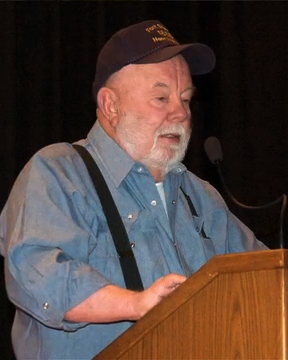
Gary Paulsen
- 生卒
- 1939 – 2021
- 国籍
- 美国
照片:Wyoming Department of Education,CC BY-SA 3.0,来自维基共享资源「Gary Paulsen (2012).png」(经缩小)。
生平与创作
这个词条暂时没有中文维基百科条目,下面是英文维基百科的内容(英文原文):
Gary James Paulsen (May 17, 1939 – October 13, 2021) was an American writer of children's and young adult fiction, best known for coming-of-age stories about the wilderness. He was the author of more than 200 books and wrote more than 200 magazine articles and short stories, and several plays, all primarily for teenagers. He won the Margaret Edwards Award from the American Library Association in 1997 for his lifetime contribution in writing for teens.
Early life
Gary Paulsen was born on May 17, 1939, in Minneapolis to Oscar Paulsen and Eunice Paulsen, née Moen. His father was a career Army officer who departed soon after Gary's birth to join General Patton's staff. Gary next saw his father at age seven when he and his mother sailed to the Philippines to join him at his army base. He and his mother lived in Thief River Falls, Minnesota. When Gary was four, his mother took him to live in Chicago. Before World War II ended, she sent him to live with relatives on a farm for a year.
He wrote some fragmented autobiographical works describing his early life, such as Eastern Sun, Winter Moon: An Autobiographical Odyssey. The book, which is written in the first person, begins when he was about five, living in Chicago with his mother. Paulsen described several traumatic occurrences that transpired during the three years that are chronicled by the book. For example, one day while his mother was napping, Gary sneaked outside to play. There, a vagrant snatched him and attempted to molest him, but his mother suddenly appeared on the scene and beat the man. Paulsen reported an affair his mother had in Eastern Sun. He also wrote about his mother's alcoholism.
When World War II ended, Gary's father sent for him and his mother to join him in the Philippines, where he was stationed. A great part of the book Eastern Sun, Winter Moon is dedicated to the voyage by naval vessels (liberty ships) to the Philippines. During the trip, Gary witnessed a plane crash. He, his mother, and the people who were also being transported on this liberty ship looked on as many of the airplane's passengers were killed or maimed by the sharks that would follow the ship consuming waste. His mother, the only woman aboard, helped the ship's corpsman care for the surviving victims. After arriving in Hawai'i, according to Paulsen, his mother began an affair with the corpsman.
In elementary school, he was quite deficient in literacy class and struggled with literacy. The accounts in Eastern Sun ended when Gary and his mother left Manila.
Bits and pieces of Gary's adolescence can be cobbled together in Guts: The True Stories Behind Hatchet and the Brian Books. In that book, Paulsen discusses how he survived between the ages of twelve and fourteen back in Minnesota. He barely mentions his parents except to say that they were too busy being drunk to stock the refrigerator. He worked several jobs during this time, including setting pins at a bowling alley, delivering newspapers, and working as a farmhand. He bought his own school supplies and a .22 caliber single-shot rifle, which he used to hunt for sustenance. Eventually, he gave up the rifle and manufactured his own bow and arrows, which he used to hunt deer.
Paulsen graduated from Lincoln High School in Thief River Falls, Minnesota. He attended Bemidji State University, but dropped out. He served in the U.S. Army between 1959 and 1962, attaining the rank of sergeant while working with missiles. His army service brought him to New Mexico for a while, a place in which he later chose to settle.
Careers
Much of what is known about Paulsen's life was revealed in the prologues and epilogues of his own books. In The Quilt, one of a series of three novels based on summers spent with his grandmother, Paulsen recounts what a tremendous influence his grandmother had on him. It is difficult to say how factual an autobiography The Quilt is intended to be, as Paulsen is supposed to have been six years old in this story and yet he made references to events found in Eastern Sun, which is supposed to have been set later. He also refers to himself, in this book, in the third person and only as "the boy".
Much of Paulsen's work features the outdoors and highlights the importance of nature. He often uses "coming of age" themes in his novels, where a character masters the art of survival in isolation as a "(w)rite" of passage to manhood and maturity. He was critical of technology and has been called a Luddite.
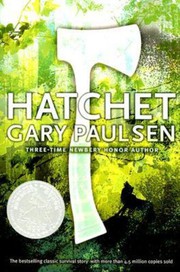
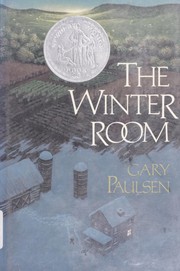
According to Paulsen's New York Times obituary, Hatchet (1987) is probably his best-known novel. Other well-known works include Dogsong (1985) and The Winter Room (1989).
The American Library Association (ALA) Margaret Edwards Award recognizes one writer and a particular body of work for a "significant and lasting contribution to young adult literature". Paulsen won the annual award in 1997, when the panel cited six books published from 1983 to 1990: Dancing Carl, Hatchet (first in the series), The Crossing, The Winter Room, Canyons, and Woodsong. The citation noted that "the theme of survival is woven throughout, whether it is living through a plane crash or living in an abusive, alcoholic household" and emphasized Hatchet in particular for "encompassing a survival theme in all its aspects, physical as well as psychological".
Three of Paulsen's books were runners-up for the Newbery Medal, the premier ALA annual book award for children's literature: Dogsong, Hatchet, and The Winter Room.
Personal life
Paulsen's first two marriages ended in divorce. In the mid-1960s, Paulsen moved to Taos, New Mexico, where he met his third wife, Ruth Wright, an illustrator of children's books, whom he married in 1971. Paulsen had two children from his first marriage, Lynn and Lance, and a son Jim from his third marriage with Ruth Wright. Although a successful author, Paulsen said he chose to live modestly. He lived throughout New Mexico, including in Santa Fe, La Luz, White Oaks, and Tularosa. He also spent time living on a houseboat on the Pacific Ocean.
以上文字摘自英文维基百科「Gary Paulsen」(有删节,去掉了参考文献等尾部小节),按 CC BY-SA 4.0 使用,作者为维基百科的各位编者。
资料卡
- 母语名
- Gary James Paulsen
- 出生
- 1939 年 5 月 17 日
- 出生地
- 明尼阿波利斯
- 逝世
- 2021 年 10 月 13 日
- 逝世地
- 图拉罗萨
- 职业
- 作家、小说家、儿童文学作家、短篇故事作家、青年文学作家
- 使用语言
- 英语
- 就读学校
- 伯米吉州立大学
- 创作体裁
- 年轻成人小说、励志小说、西部
- 领域
- 美国文学、儿童与青年文学
- 代表作
- Winterdance: The Fine Madness of Running the Iditarod
- 获奖
- 玛格丽特·爱德华兹奖(1997)、朵洛西·坎菲尔·费雪儿童图书奖(1989);另有 1 项只有外文名
资料卡来自 Wikidata Q718463(CC0),众包数据,个别字段可能不全。
本站收录的作品(11)

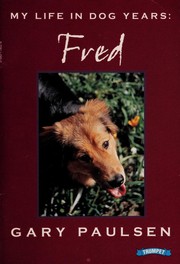
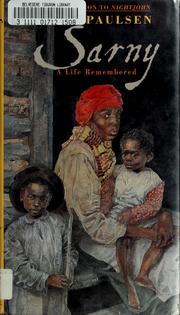
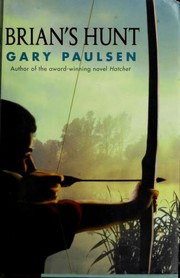
作品年表(40 本)
本站书库里署名Gary Paulsen的书(Open Library 上至少 10 人加过书架的才收),按首版年份排(有本站书页的用 Wikidata 记的首版年,其余用 Open Library 的);年份偶尔记成后来的版本或译本,以原书为准。全部作品见 Open Library。
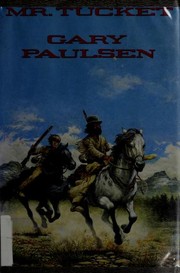
- 1969Mr. Tucket书架 53
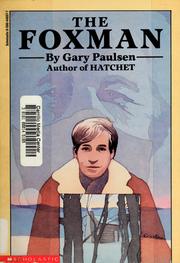
- 1977The foxman书架 19
- 1984Tracker书架 51
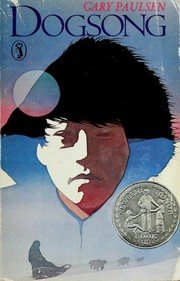
- 1985Dogsong书架 51
- 1987Hatchet书架 2,236
- 1987The Crossing书架 33
- 1987Hatchet书架 27
- 1988The Island书架 13
- 1989The Voyage of the Frog书架 27
- 1989The Winter Room书架 18
- 1990Woodsong书架 70
- 1990Canyons书架 24
- 1991The River书架 183
- 1993Harris and Me书架 61
- 1993Nightjohn书架 60
- 1993Lawn Boy书架 42
- 1993Dogteam书架 16
- 1993Eastern Sun, Winter Moon书架 14
- 1994Winterdance书架 49
- 1994The Car书架 40
- 1995The Rifle书架 22
- 1995Call Me Frances Tucket书架 19
- 1995The Tortilla Factory书架 13
- 1996Brian's Winter书架 154
- 1996Puppies, Dogs, and Blue Northers书架 28
- 1997My Life in Dog Years书架 43
- 1997Sarny, a life remembered书架 23
- 1997The White Fox chronicles书架 15
- 1998The Transall saga书架 67
- 1998Soldier's Heart书架 52
- 1999Brian's return (Brian's Saga #4)书架 70
- 2000Guts书架 59
- 2003Brian's Hunt书架 82
- 2003Shelf Life书架 10
- 2010Woods Runner书架 49
- 2010Masters of disaster书架 10
- 2011Liar, liar书架 13
- 2012Crush书架 16
- 2015This Side of Wild书架 10
- 2022Northwind书架 17