 书单
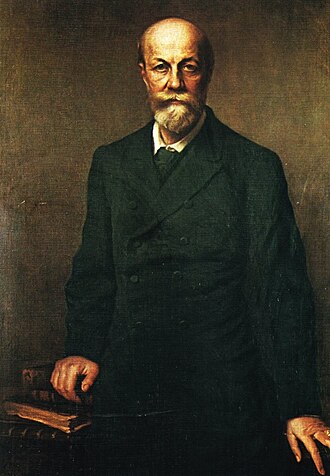
约卡伊·莫尔
- 生卒
- 1825 – 1904
- 国籍
- 匈牙利
- 外文名
- Mór Jókai
照片:Ede Balló,公有领域,来自维基共享资源「Mór Jókai.jpg」(经缩小)。
生平与创作
约卡伊·莫尔(匈牙利语:Jókai Mór,1825年2月18日—1904年5月5日),19世纪匈牙利最重要的小说家。他是个多产作家,1894-1898年间出版的文集就多达100卷,大量的新闻作品尚不计在内。其早年作品如《工作日》(Hétköznapok,1845),流露出法国浪漫主义的影响,但是,一些成熟的小说却更反映出现实和个人经历。《一个匈牙利富豪》(Egy magyar nábob,1853-1854)和《金人》(Az arany ember,1873),是他处理当代匈牙利题材的两部最主要的小说。
约卡伊是匈牙利戏剧家,小说家和革命家。他是1848年在佩斯的匈牙利自由革命爆发中的积极参与者和领导人物。约卡伊的浪漫小说在维多利亚时代的英国精英中非常受欢迎,他经常在19世纪的英国媒体中与狄更斯相提并论。他最着名的粉丝和崇拜者之一是维多利亚女王本人。
以上文字摘自维基百科「約卡伊·莫爾」(去掉了参考文献等尾部小节),按 CC BY-SA 4.0 使用,作者为维基百科的各位编者。
中文维基百科的条目比较短,下面附上英文维基百科的内容(英文原文):
Móricz Jókay of Ásva [ˈmoːr ˈjoːkɒi] (18 February 1825 – 5 May 1904), known as Mór Jókai, was a Hungarian novelist, dramatist and revolutionary. Outside of Hungary, he was also known as Maurice Jókai or Maurus Jókai or Mauritius Jókai. He was a leader of the outbreak of the Hungarian Revolution of 1848 in Pest. His romantic novels became widely popular among the elite of Victorian England, where he was often compared to Charles Dickens by the press. One of his most famous admirers was Queen Victoria herself.
Early life
He was born in Komárom in the Kingdom of Hungary to József Jókai of Ásva (1781–1837), a member of the Ásva branch of the ancient Jókay noble family; his mother was noblewoman Mária Pulay (1790–1856). As a boy, he was timid and his health delicate, so he was educated at home until the age of ten, when he was sent to Pozsony (today Bratislava, Slovakia). He then attended the Calvinist college of Pápa (Pápai Református Kollégium), where he first met Sándor Petőfi and Sándor Kozma.
When Jókai was twelve, his father died. His family wanted him to become a lawyer like his father had been, and he completed his education in Kecskemét and Pest to that end. He won his first case as an independent lawyer.
Career
Jókai was bored by his work as a lawyer, and he was encouraged in his art by the praise the Hungarian Academy of Sciences gave his first play (Hungarian: Zsidó fiú, lit. 'Jewish Boy'). In 1845, he moved to Pest where Petőfi introduced him to literary circles. Within the year his first noted novel (Hungarian: Hétköznapok, lit. 'Working Days') was published as a serial by Pesti Divatlap, followed by a hardcover edition in 1846. It was received with widespread critical acclaim. The following year, Jókai was appointed the editor of Életképek, the then-leading Hungarian literary magazine, and gathered a circle of young writers around himself.
At the outbreak of the revolution of 1848, Jókai was enthusiastic about its revolutionary cause. Before the revolution, he had been a moderate liberal who opposed excesses, but the revolutionary victories of April and May 1849 persuaded him support Lajos Kossuth's deposition of the then-reigning House of Habsburg. When the revolutionary war ended in defeat, he was present at the surrender at Világos (today Şiria, Romania) in August 1849. He intended to commit suicide to avoid imprisonment, but his wife, Róza Laborfalvi helped him escape on foot through Russian lines to Pest.
For the next fourteen years Jókai was politically suspicious to the regime. He devoted himself to the rehabilitation of the Hungarian language, writing thirty novels and volumes of tales, essays, and literary criticism. His renowned works Erdély aranykora ('The Golden Age of Transylvania'), its sequel Török világ Magyarországon ('The Turks in Hungary'), Egy magyar nábob ('A Hungarian Nabob'), its sequel Kárpáthy Zoltán, Janicsárok végnapjai ('The Last Days of the Janissaries'), and Szomorú napok ('Sad Days') were written during this time.
After the re-establishment of the Hungarian constitution by the Austro-Hungarian Compromise of 1867, Jókai took an active part in politics. He was a long-time supporter of Kálmán Tisza's administration, sitting for over twenty years in parliament and founding the government paper A Hon in 1863. In 1897, King Francis Joseph appointed him a member of the Upper House. In 1899, he caused a country-wide scandal by marrying Bella Nagy, a twenty-year-old actress.
Jókai died in Budapest on 5 May 1904. He was buried with his first wife (who had died in 1886) in the Fiume Road Graveyard.
以上文字摘自英文维基百科「Mór Jókai」(有删节,去掉了参考文献等尾部小节),按 CC BY-SA 4.0 使用,作者为维基百科的各位编者。
资料卡
- 母语名
- Jókai Mór
- 本名
- Ásvay Jókay Móric
- 出生
- 1825 年 2 月 18 日
- 出生地
- 科马尔诺
- 逝世
- 1904 年 5 月 5 日
- 逝世地
- 布达佩斯
- 职业
- 作家、剧作家、政治人物、新闻工作者、法学家
- 使用语言
- 德语、拉丁语、古希腊语、法语 等 7 项
- 写作语言
- 匈牙利语
- 就读学校
- Grammar School of Pápa Reformed College
- 所属团体
- 匈牙利科学院
- 配偶
- 拉博尔法尔维·罗佐、Bella Nagy
- 代表作
- The Man with the Golden Touch
资料卡来自 Wikidata Q379621(CC0),众包数据,个别字段可能不全。
本站收录的作品(3)
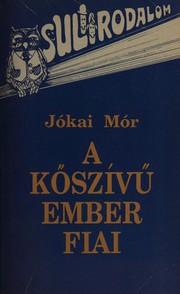
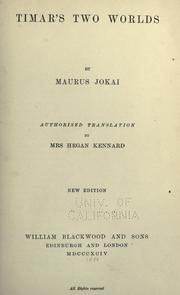
作品改编
同时代的匈牙利作家
Open Library 上的全部作品
正在读取…