 书单
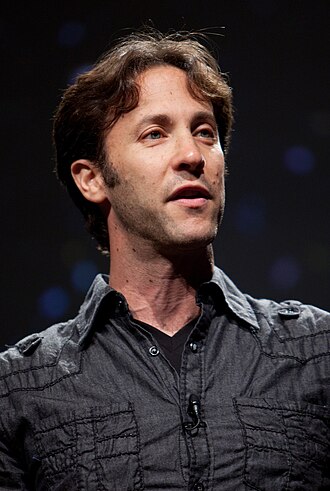
大卫·伊格曼
- 生卒
- 1971 –
- 国籍
- 美国
- 外文名
- David Eagleman
照片:PopTech,CC BY-SA 2.0,来自维基共享资源「David Eagleman (cropped).jpg」(经缩小)。
生平与创作
大卫·伊格曼(英语:David Eagleman,1971年4月25日—)是一位美国神经科学家和科普作家。
代表作
“自我进化”四部曲:
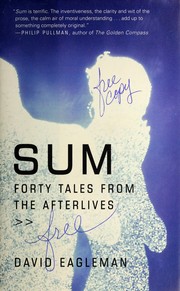
《死后四十种生活》(Sum: Forty Tales from the Afterlives,也译作《生命的清单:关于来世的40种景象》)
《大脑的故事》(The Brain: The Story of You)
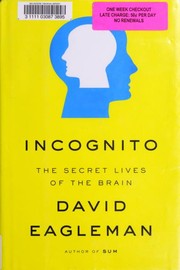
《隐藏的自我:大脑的秘密生活》(Incognito: The Secret Lives of the Brain)
《飞奔的物种》(The Runaway Species)
以上文字摘自维基百科「大卫·伊格曼」(去掉了参考文献等尾部小节),按 CC BY-SA 4.0 使用,作者为维基百科的各位编者。
中文维基百科的条目比较短,下面附上英文维基百科的内容(英文原文):
David Eagleman (born April 25, 1971) is an American neuroscientist, bestselling author, and science communicator. He teaches neuroscience at Stanford University and has founded several neurotech startups. He directs the non-profit Center for Science and Law, which seeks to align the legal system with modern neuroscience. He is known for his work on brain plasticity, time perception, synesthesia, and neurolaw.
He is a Guggenheim Fellow and a New York Times-bestselling author published in 32 languages. He is the writer and presenter of the international television series The Brain with David Eagleman and the host of the podcast Inner Cosmos with David Eagleman. His podcast has been ranked as the number-one science podcast on Apple several times and in 2024 was nominated for the best science podcast of the year at the iHeart Podcast Awards at SXSW.
Biography
Eagleman was born on April 25, 1971, in New Mexico to a physician father and a biology teacher mother. An early experience of falling from a roof raised his interest in understanding the neural basis of time perception. He attended the Albuquerque Academy for high school. As an undergraduate at Rice University, he majored in British and American literature and in his junior year studied abroad at Oxford University. He earned his PhD in Neuroscience at Baylor College of Medicine in 1998, followed by a postdoctoral fellowship at the Salk Institute.
Eagleman is an adjunct professor at Stanford University, after directing a neuroscience research laboratory for 10 years at Baylor College of Medicine. He is a Guggenheim Fellow and serves as a member of the board of directors of the Long Now Foundation. Italy's Style fashion magazine named Eagleman one of the "Brainiest, Brightest Idea Guys" and featured him on the cover. He was awarded the Science Educator Award by the Society for Neuroscience. He has spun off several companies from his research, including BrainCheck, which helps medical professionals assess and diagnose cognitive impairment and dementia, and Neosensory, which used sound-to-touch sensory substitution to feed data streams into the brain, as described in his TED talk.
Eagleman has been profiled in magazines such as the New Yorker, and has been on television programs such as The Colbert Report. Stewart Brand wrote that "David Eagleman may be the best combination of scientist and fiction-writer alive". In 2025 he was given the Woz Innovation Award from Steve Wozniak.
As opposed to committing to strict atheism or to a particular religious position, Eagleman refers to himself as a possibilian, which distinguishes itself from atheism and agnosticism by studying the structure of the possibility space.
Scientific specializations
Sensory substitution
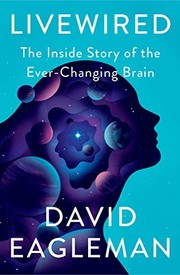
Sensory substitution refers to feeding information into the brain via unusual sensory channels, a central topic in Eagleman's book Livewired. In a TED talk, Eagleman unveiled a method for using sound-to-touch sensory substitution to feed data streams into the brain. In 2015, together with Dr. Scott Novich, PhD, he co-founded the company Neosensory, headquartered in Palo Alto, California, of which he was the CEO. As of 2023, Neosensory had raised over 20 million dollars in venture funding. In 2015, the company presented the Versatile Extra-Sensory Transducer (VEST) wearable device that "translates" speech and other audio signals into series of vibration, that allows deaf people to "feel" sounds on their body. In 2019, Neosensory presented the Buzz wristband, a sensory substitution device that transfers sound into dynamic vibration patterns, aimed for deaf or hard-of-hearing individuals. In 2022, the company released the Neosensory Clarify for high-frequency hearing loss; the wristband used machine learning to detect high-frequency phonemes in real time and indicate their presence to the user through vibrations. After a decade, Neosensory sold its technology to a larger company and ceased operations
以上文字摘自英文维基百科「David Eagleman」(有删节,去掉了参考文献等尾部小节),按 CC BY-SA 4.0 使用,作者为维基百科的各位编者。
资料卡
- 出生
- 1971 年 4 月 25 日
- 出生地
- 阿尔伯克基
- 职业
- 神经学家、心理学家、作者、大学教师、生命科学家
- 使用语言
- 英语
- 就读学校
- 莱斯大学、Albuquerque Academy
- 获奖
- 古根海姆学者奖
资料卡来自 Wikidata Q999577(CC0),众包数据,个别字段可能不全。
本站收录的作品(3)
作品年表(7 本)
本站书库里署名大卫·伊格曼的书(Open Library 上至少 10 人加过书架的才收),按首版年份排(有本站书页的用 Wikidata 记的首版年,其余用 Open Library 的);年份偶尔记成后来的版本或译本,以原书为准。全部作品见 Open Library。