 书单
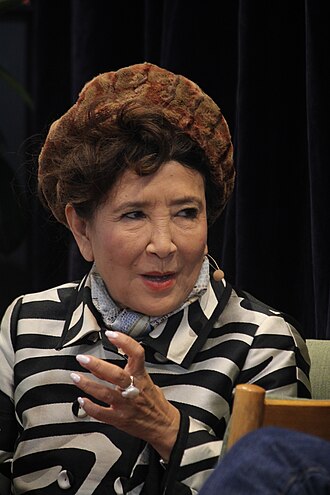
张戎
- 生卒
- 1952 –
- 国籍
- 英国
- 外文名
- Jung Chang
照片:Christian Ursilva,CC BY-SA 4.0,来自维基共享资源「Jung Chang by Christian Ursilva.jpg」(经缩小)。
生平与创作
张戎,CBE(英文名:Jung Chang,1952年3月25日—),原名张二鸿,是英国籍华人作家,现居伦敦。
生平
1952年生于中国四川宜宾,外祖父是国民政府军事将领薛之珩,父亲是四川宣传部副部长,文革时是红卫兵、农民、赤脚医生、翻砂工、电工。1971年,被调入成都公私合营工厂。1973年,进入四川大学外语系成为工农兵大学生。毕业后留校任教。1978年,获得公费资助到英国留学。她在英国约克大学取得博士学位,是中华人民共和国建国后首位获英国大学博士学位的中国公民 。
英国《独立报》及其他英语媒体报导指出,张戎因其对文学及历史研究的贡献,在2024年获颁大英帝国司令勋章(CBE)(Commander of the British Empire)。该勋章由英国王室颁发,旨在表彰她对文学与历史书写的重大贡献。
著作
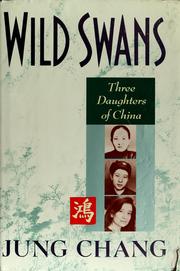
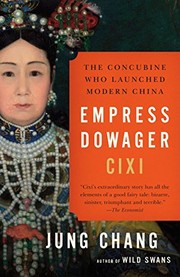
张戎著作有传记作品《宋氏三姊妹与她们的丈夫》(2019年)、《慈禧:开启现代中国的皇太后》(2013年)、《毛泽东:鲜为人知的故事》(2005年,与丈夫乔·哈利戴合著)、《孙逸仙夫人宋庆龄传》(1986年),和得奖自传《鸿:三代中国女人的故事》(1991年)。
根据彭博社中文合作供稿新闻报导,张戎于2025年推出新作《飞吧,鸿》,延续其1991年《鸿》的叙事,书中探讨个人记忆与历史变迁,并谈及她目前无法回到中国的现状。
以上文字摘自维基百科「张戎」(去掉了参考文献等尾部小节),按 CC BY-SA 4.0 使用,作者为维基百科的各位编者。
中文维基百科的条目比较短,下面附上英文维基百科的内容(英文原文):
Jung Chang (traditional Chinese: 張戎; simplified Chinese: 张戎; pinyin: Zhāng Róng; Wade–Giles: Chang Jung, Mandarin pronunciation: [tʂɑ́ŋ ɻʊ̌ŋ]; born 25 March 1952) is a Chinese-born British author. She is best known for her family autobiography Wild Swans, which has sold over 10 million copies worldwide but is banned in the People's Republic of China. Her 832-page biography of Mao Zedong, Mao: The Unknown Story, written with her husband, the Irish historian Jon Halliday, and touching on parts of her personal memoir, was published in June 2005. Reception of the work by academics is mixed, though the work has received acclaim in the popular press.
Biography
Chang was born on 25 March 1952 in Yibin, Sichuan, as the second daughter and child of five children. Her parents were both Chinese Communist Party officials, and her father was greatly interested in literature. As Party cadres, life was relatively good for her family at first; her father became successful as a propagandist at a regional level. His formal ranking was as a "level 10 official", meaning that he was one of 20,000 or so most important cadres, or ganbu, in the country. The Communist Party provided her family with a dwelling in a guarded, walled compound, a maid and chauffeur, as well as a wet-nurse and nanny for Chang and her four siblings.
Chang writes that she was originally named Er-hong (Chinese: 二鴻; lit. 'Second Swan'), which sounds like the Chinese word for "faded red". As communists were "deep red", she asked her father to rename her when she was 12 years old, specifying she wanted "a name with a military ring to it." He suggested "Jung", which means "martial affairs.".
Cultural Revolution
Like many of her peers, Chang chose to become a Red Guard at the age of 14, during the early years of the Cultural Revolution. In Wild Swans she said she was "keen to do so", "thrilled by my red armband". In her memoirs Chang states that she refused to participate in the attacks on her teachers and other Chinese, and she left after a short period, for she found the Red Guards too violent.
The failures of the Great Leap Forward had led her parents to oppose Mao Zedong's policies. They were targeted during the Cultural Revolution, as most high-ranking officials were. When Chang's father criticized Mao by name, Chang writes in Wild Swans that this exposed them to retaliation from Mao's supporters. Her parents were publicly humiliated – ink was poured over their heads, they were forced to wear placards denouncing them around their necks, kneel in gravel and to stand outside in the rain – followed by imprisonment, her father's treatment leading to lasting physical and mental illness. Their careers were destroyed, and her family was forced to leave their home.
Before her parents' denunciation and imprisonment, Chang had unquestioningly supported Mao and criticized herself for any momentary doubts. But by the time of his death, her respect for Mao, she writes, had been destroyed. Chang wrote that when she heard he had died, she had to bury her head in the shoulder of another student to pretend she was grieving. She explained her change on the stance of Mao with the following comments:
"The Chinese seemed to be mourning Mao in a heartfelt fashion. But I wondered how many of their tears were genuine. People had practiced acting to such a degree that they confused it with their true feelings. Weeping for Mao was perhaps just another programmed act in their programmed lives.
Chang's depiction of the Chinese people as having been "programmed" by Maoism would ring forth in her subsequent writings.
以上文字摘自英文维基百科「Jung Chang」(有删节,去掉了参考文献等尾部小节),按 CC BY-SA 4.0 使用,作者为维基百科的各位编者。
资料卡
- 母语名
- 张 戎
- 出生
- 1952 年 3 月 25 日
- 出生地
- 宜宾市
- 职业
- 自传作者、作家、传记作家、语言学家、诗人、历史学家
- 使用语言
- 英语
- 写作语言
- 官话
- 就读学校
- 约克大学、伦敦大学亚非学院、四川大学、西伦敦大学、石室中学
- 创作体裁
- 传记
- 领域
- 中国历史
- 配偶
- 乔·哈利戴
- 代表作
- 毛泽东:鲜为人知的故事、鸿:三代中国女人的故事、Empress Dowager Cixi
- 获奖
- 大英帝国司令勋章(2024)、名誉博士(1998)
资料卡来自 Wikidata Q235291(CC0),众包数据,个别字段可能不全。
本站收录的作品(3)
作品年表(3 本)
本站书库里署名张戎的书(Open Library 上至少 10 人加过书架的才收),按首版年份排(有本站书页的用 Wikidata 记的首版年,其余用 Open Library 的);年份偶尔记成后来的版本或译本,以原书为准。全部作品见 Open Library。
- 1991鸿:三代中国女人的故事Wild Swans书架 227
- 2005毛泽东:鲜为人知的故事Mao书架 50
- 2013Empress Dowager Cixi书架 12