 书单
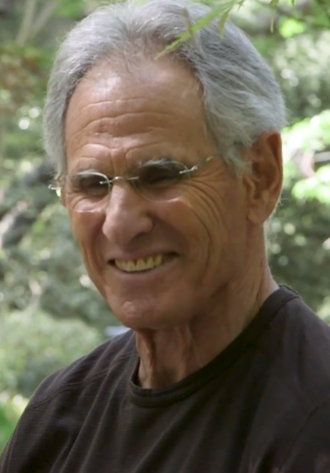
乔·卡巴金
- 生卒
- 1944 –
- 国籍
- 美国
- 外文名
- Jon Kabat-Zinn
照片:ExperienceLifeMag,CC BY 3.0,来自维基共享资源「Jon Kabat-Zinn (2018).png」(经缩小)。
生平与创作
乔·卡巴金(Jon Kabat-Zinn,1944年6月5日—),是美国麻省理工学院分子生物学博士、马萨诸塞大学医学院的荣誉医学博士,也是马萨诸塞大学医学院觉察中心及其附属医院减压门诊的创办人。
卡巴金也是禅修指导师、作家。
1979年在马萨诸塞大学医学院开设的觉察减压课程,也推广于医疗中心、医院及健康维护机构。
生平
1964年毕业于哈佛大学。1971年获得麻省理工学院分子生物学博士,指导教授为萨尔瓦多·卢瑞亚,诺贝尔医学奖得主。
在麻省理工学院期间,卡巴金是反对军事研究的领袖,也是反对越战的活动人士 。
起先卡巴金是经由菲力浦·凯普楼认识到冥想,当时卡巴金正就读于麻省理工学院,凯普楼到该校演讲。卡巴金与佛学导师如释一行、崇山行愿持续研习冥想;曾在内观冥想学会学习,最后成为其组织的导师。
1979年,卡巴金为马萨诸塞大学医学院开设减压诊所,设计了觉察减压课程,协助病人以觉察处理压力、症状与病痛。1995年,卡巴金为其医学院创办觉察中心。
卡巴金是心灵与生命研究所的荣誉董事。
觉察的七种态度
乔·卡巴金所建立的觉察减压是以七种的态度作为支柱:
不批判
保持初心
信任自己
不强求
接受自己
放手不执著
著作
正念疗愈力:八周找回平静、自信与智慧的自己
是情绪糟,不是你很糟:穿透忧郁的内观力量
正念的感官觉醒
正念父母心,享受每天的幸福
当下,繁花盛开
以上文字摘自维基百科「喬·卡巴金」(去掉了参考文献等尾部小节),按 CC BY-SA 4.0 使用,作者为维基百科的各位编者。
中文维基百科的条目比较短,下面附上英文维基百科的内容(英文原文):
Jon Kabat-Zinn (born Jon Kabat, June 5, 1944) is an American professor emeritus of medicine and the creator of the Stress Reduction Clinic and the Center for Mindfulness in Medicine, Health Care, and Society at the University of Massachusetts Medical School. Kabat-Zinn was a student of Zen Buddhist teachers such as Philip Kapleau, Thich Nhat Hanh, and Seung Sahn, and is a founding member of Cambridge Zen Center. His practice of hatha yoga, Vipassanā and appreciation of the teachings of Soto Zen and Advaita Vedanta led him to integrate their teachings with scientific findings. He teaches mindfulness, which he says can help people cope with stress, anxiety, pain, and illness. The program he created, mindfulness-based stress reduction (MBSR), is offered by medical centers, hospitals, and health maintenance organizations, and is described in his book Full Catastrophe Living.
Life and work
Kabat-Zinn was born in New York City in 1944 as the oldest of three children to Elvin Kabat, a biomedical scientist, and Sally Kabat, a painter. He graduated from Haverford College in 1964 and went on to earn a Ph.D. in molecular biology in 1971 from the Massachusetts Institute of Technology, where he studied under Salvador Luria, Nobel Laureate in medicine.
While at MIT, Kabat-Zinn was a leading campaigner against military research at the university and against the Vietnam War. To reduce student protests, MIT appointed him, alongside Noam Chomsky and George Katsiaficas, to an advisory panel on the future of the university's military labs. During this time, he pondered his life's purpose, which he called his "karmic assignment."
Career
Kabat-Zinn was first introduced to meditation by Philip Kapleau, a Zen teacher who came to speak at MIT where Kabat-Zinn was a student. Kabat-Zinn went on to study meditation with other Buddhist teachers such as Seungsahn. He also studied at the Insight Meditation Society with Jack Kornfield and Joseph Goldstein, and eventually taught there. In 1979 he founded the Stress Reduction Clinic at the University of Massachusetts Medical School, where he adapted Soto Zen, Vipassana, Hatha Yoga and Advaita Vedanta teachings and developed the Stress Reduction and Relaxation Program. He subsequently renamed the structured eight-week course to Mindfulness-Based Stress Reduction (MBSR). He removed the soteriological goals of the religious and spiritual systems that influenced the MBSR and any connection between mindfulness and Buddhism, instead putting MBSR in a scientific context. He subsequently also founded the Center for Mindfulness in Medicine, Health Care, and Society at the University of Massachusetts Medical School. His secular technique of Mindful Yoga, which combines meditation and yoga as exercise, has since spread worldwide. The course aims to help patients cope with stress, pain, and illness by using what is called "moment-to-moment awareness."
Kabat-Zinn's MBSR began to get increasing attention following the publication of his first book, Full Catastrophe Living: Using the Wisdom of Your Body and Mind to Face Stress, Pain, and Illness (1991), which gave detailed instructions for the practice. Then, in 1993, his work in the Stress Reduction Clinic was featured in Bill Moyers's PBS special Healing and the Mind which spurred wide interest in MBSR and helped to make Kabat-Zinn nationally famous. In 1994 Kabat-Zinn's second book, titled Wherever You Go, There You Are, became a national bestseller. In the latter part of the 1990s, many MBSR clinics were opened, either as standalone centers or as part of a hospital's holistic medicine program.
Research by Kabat-Zinn includes the effect of MBSR on psoriasis, pain, anxiety, brain function, and immune function.
He is a board member of the Mind and Life Institute, a group that organizes dialogues between the Dalai Lama and Western scientists.
以上文字摘自英文维基百科「Jon Kabat-Zinn」(有删节,去掉了参考文献等尾部小节),按 CC BY-SA 4.0 使用,作者为维基百科的各位编者。
资料卡
- 母语名
- Jon Kabat-Zinn
- 出生
- 1944 年 6 月 5 日
- 出生地
- 纽约
- 职业
- 分子生物学家、作家、大学教师、心理学家、正念认知疗法、医生
- 使用语言
- 英语
- 就读学校
- 麻省理工学院、哈弗福德学院
- 领域
- 替代医学
- 代表作
- Wherever you go, there you are、Full Catastrophe Living
资料卡来自 Wikidata Q1381788(CC0),众包数据,个别字段可能不全。
本站收录的作品(1)
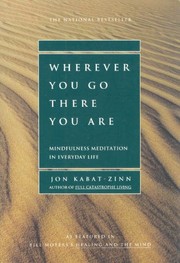
作品年表(9 本)
本站书库里署名乔·卡巴金的书(Open Library 上至少 10 人加过书架的才收),按首版年份排(有本站书页的用 Wikidata 记的首版年,其余用 Open Library 的);年份偶尔记成后来的版本或译本,以原书为准。全部作品见 Open Library。
- 1990Full Catastrophe Living书架 126
- 1994Wherever You Go, There You Are书架 231
- 1994Wherever You Go, There You Are书架 15
- 2004Lovingkindness书架 10
- 2005Coming to Our Senses书架 18
- 2006Mindfulness for beginners书架 16
- 2007The Mindful Way through Depression书架 14
- 2016Wherever You Go, There You Are书架 10
- 2018Mindfulness Key书架 22