书单
百科
这个词条暂时没有中文维基百科条目,下面是英文维基百科的内容(英文原文):
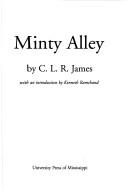
Minty Alley is a novel written by Trinidadian writer C. L. R. James in the late 1920s. It was published in London by Secker & Warburg in 1936, as West Indian literature was starting to flourish. It was the first novel by a black West Indian to be published in England, and "earned much praise for its sensitive portrayal of the poor, especially poor women, and for its playful use of the folkloric trickster tradition in a modern context."
According to Christian Høgsbjerg, James later noted: "'the basic constituent of my political activity and outlook' was already set out in 'the "human" aspect' of Minty Alley, the unpublished novel he wrote in 1928 about the working people of one 'barrack-yard' he stayed in that summer." James arrived in the United Kingdom in 1932, intent on a career as a writer and bearing the manuscript of Minty Alley, and found employment writing about cricket for the Manchester Guardian. He soon became involved in politics, writing books about the Bolshevik Revolution and Haitian Revolution, leaving his literary ambitions behind. Minty Alley was his only novel. James died in London in 1989.
Plot
Set in Port of Spain, Trinidad, the book opens with Mr. Haynes deciding to rent part of a house situated nearby on the title street—a very short alley. His mother has died, and he is trying to make the best out of an otherwise dull life. Figuring out how to pay for the house, he arrives there the following day, meeting Maisie and her aunt, Mrs. Rouse, who has a small room to let. Haynes agrees to use it after hearing of the conditions and the price—$2.50.
Early next morning, Haynes begins transferring his goods to his new home. Back at that residence, he is introduced to his new landlord, Mr. Benoit.
On the first Saturday evening of his stay, he meets a sick Miss Atwell and an East Indian servant named Philomen, as well as a cake-seller named John. Later on, Mrs. Rouse arrives with her new lodger, a nurse named Jackson, and the rest in the house engage in a lot of conversation soon after.
Yet after such good times, Haynes is bored and wants to move out of No. 2 in a month, in which case he will leave the rest up to Ella. The next morning, while Rouse and niece are attending Mass, he secretly encounters a brief love affair between Benoit and the lodger nurse. As days go by, that nurse becomes the dominant factor of life at No. 2, keeping the entire house in shape.
One morning, a stay-at-home Haynes witnesses Sonny, Nurse Jackson's son, being beaten by the landlord over his prize for winning a marbles game: a kiss for his opponent, Maisie. After a caning from the nurse, he is chased by her all the way to Haynes’ room, where he hides from her. Then, as she calls him out like she would a dog, Haynes misses his chance to save Sonny, who is intent on staying with him for protection. But upon a further caning by Sonny's mother, the bachelor decides he must move back to Ella, even with an injured foot.
That evening, the nurse comes by to check on his foot and have it treated—the first of such a series of twice-daily visits. Only some days later does his foot become any better.
Another few days pass, and the people at No. 2 are preparing to avoid the local bailiff and Mr. Brown from visiting their home. Luckily, both are nowhere to be seen; but word of the two crops up in their conversations for days afterward.
Because of a fight between her and Mrs. Rouse, the nurse soon leaves the house. Troubled times thus begin herein: another morning later, a policeman asks for Aucher, who turns out to be a thief; and quarrels between Benoit and Mrs. Rouse erupt for nights at a time, all due to the nurse's departure and her love for the landlord. Even the two try to murder each other, and for that action Haynes decides strongly to move out.
Surprisingly, Nurse Jackson passes her examinations, thanks partly to Benoit's help, but nothing more than her affair with the landlord is talked of for days at No. 2. More surprisingly, they both have been engaged, and news of their romance and upcoming marriage crops up regularly soon after.
Their wedding takes place at nine on a Sunday morning, at the start of the month, but the people at the house are getting impatient about Miss Atwell's arrival from the ceremony. When she returns at 11, she tells them everything that happened during that ceremony (the centre of attention being the nurse's expensive white fugi dress).
Later on, No. 2 is put up for mortgage, but as an ailing Mrs. Rouse is warned by Haynes, it will take eight years before the house can fully be paid off, even with her cake business on the decline. With Mrs. Rouse, Haynes learns how much the house has fared from the time it was built at the start of the First World War.
Then, upon visiting her, he learns of Ella's sickness and that a friend will replace her once she is taken to her mother in the country.
December comes, and Haynes, meeting Benoit for the first time since he married the nurse, is nervous to see how much he has changed. It is rumoured that things have not been going well for the couple, and the landlord has had no new job out of this.
In spite of their recent woes, Christmas goes on cheerfully for the residents of the house. During the holiday, a freed Aucher helps the rest of them as they work harder than ever to keep No. 2 clean, while Haynes decides to spend some time at the seaside for his health's sake.
On Boxing Day, the company at the house, Haynes included, delight themselves with an enjoyable lunch, after which Miss Atwell honours Haynes in a short speech. The bachelor's reply turns out to be "the speech of his life".
On New Year's Eve, Miss Atwell pays Haynes a visit, telling him Ella is still sick. On the New Year's holiday the following day, he pays Mrs. Rouse $20 in advance (a plan he had made with Maisie) for the sake of remaining at the house via boarding.
以上文字摘自英文维基百科「Minty Alley」(有删节,去掉了参考文献等尾部小节),按 CC BY-SA 4.0 使用,作者为维基百科的各位编者。
资料卡
- 原作语言
- 英语
- 首次出版
- 1936 年
- 作品形式
- 长篇小说
- 首版出版社
- 塞克尔和沃伯格出版社
资料卡来自 Wikidata Q6869700(CC0),众包数据,个别字段可能不全。