 书单
百科
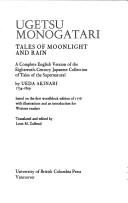
《雨月物语》(日语:雨月物语,うげつものがたり)),是日本江户时代后期的读本(一种江户时期通俗文学的形式)代表作之一。作者为上田秋成。共五卷五册,于明和5年作序,安永5年由京都寺町通的梅村判兵卫及大阪高丽桥筋的野村长兵卫共同出版。
全书由九篇志怪小说:《白峰》、《菊花之约》、《浅茅之宿》、《应梦之鲤鱼》、《佛法僧》、《吉备津之釜》、《蛇性之淫》、《青头巾》及《贫福论》构成,这些故事多改编自中国白话小说(如:明代瞿佑所著的《剪灯新话》),再掺入秋成本人的看法及日本文化的要素。
原书插画
书中的插画由桂宗信绘制,他同时也是对该作品有深远影响的《繁野话》一书的绘师。书中除《蛇性之淫》一篇有两幅插图外,其余各篇各有一幅插图。
中文译本
刘牛译《雨月物语》,福建少年儿童出版社,1986年7月,统一书号: 10367-23
阎小妹译《雨月物语》,人民文学出版社,1990年7月,ISBN 9787020009763
申非译《雨月奇谈》,农村读物出版社,1996年5月,ISBN 9787504826343
王新禧译《雨月物语·春雨物语》,新世界出版社,2010年3月,ISBN 9787510408083
派生作品
电影
雨月物语 (电影):1953年上映的日本电影,沟口健二导演。
蛇性之淫:1921年上映的日本电影,栗原喜三郎导演。
舞台
夜会Vol.5 太息花色今更易 此身虚度春雨中:1993年在Theatre cocoon上演的舞台,中岛美雪导演。
以上文字摘自维基百科「雨月物語」(去掉了参考文献等尾部小节),按 CC BY-SA 4.0 使用,作者为维基百科的各位编者。
中文维基百科的条目比较短,下面附上英文维基百科的内容(英文原文):
Ugetsu Monogatari (雨月物語, Tales of Moonlight and Rain) is a collection of nine supernatural tales first published in 1776. It is the best known work of Japanese author Ueda Akinari.
Largely adapted from traditional Japanese and Chinese ghost stories, the collection is among the most important works of Edo period (1603–1867) and kaidan literature, and is considered a predecessor of the yomihon genre. Kenji Mizoguchi's award-winning film Ugetsu (1953), credited with helping popularize Japanese cinema in the West, was adapted from two of the collection's stories.
Title
The word Ugetsu is a compound word; u (雨) means "rain", while getsu (月) translates to "moon". It derives from a passage in the book's preface describing "a night with a misty moon after the rains", and references a Noh play, also called Ugetsu, which also employs the common contemporary symbols of rain and moon. These images evoked the supernatural and mysterious in East Asian literature; Qu You's Mudan Deng Ji (Chinese: 牡丹燈記; a story from Jiandeng Xinhua, one of Ueda's major sources), indicates that a rainy night or a morning moon may presage the coming of supernatural beings.
Use of the term monogatari (物語) in the title, meaning "story" or "series", connects the book to other significant works of Japanese and Chinese literature by which it was strongly influenced, such as The Tale of Genji (Genji monogatari) and Inga Monogatari. The use of this naming convention is particularly notable, because it had become less popular in Ueda's time with the rise of ukiyo-zōshi.
Tales of Moonlight and Rain is the most common English translation; other translations include Tales of a Clouded Moon and Tales of Rain and the Moon.
Publication
Ugetsu Monogatari was first published in a 1776 woodblock edition, although its preface is dated 1768. The nine stories were published in five volumes:
Volume 1: Shiramine and Kikka no chigiri
Volume 2: Asaji ga Yado and Muo no Rigyo
Volume 3: Bupposo and Kibitsu no Kama
Volume 4: Jasei no In
Volume 5: Aozukin and Hinpiku-ron
In writing the book, Ueda played with the differences between colloquial and classical language, incorporating double meanings and word play into his text by pairing furigana (Japanese phonetic readings) with classical Chinese words and phrases.
Ueda published Ugetsu Monogatari under the pen name Senshi Kijin (剪枝畸人); Senshi (剪枝) meaning "cut finger" or "pruning" and Kijin (畸人) meaning "eccentric" or "cripple". While he used the name Senshi Kijin just once, this was not the only time Ueda used a pen name that referenced his disability, one finger on each of his hands having been permanently deformed by a severe case of smallpox he had as a child.
Despite being published under a pen name, Takizawa Bakin's later attribution of the work to Ueda is now undisputed.
Ugetsu Monogatari is considered a predecessor of the yomihon genre of Edo-period literature. Its popularity has been enduring and it is still being adapted into new works in the 21st century.
Literary context and influences
Adapted novels
Ugetsu Monogatari is a hon'an shosetsu (adapted novel). It was part of a new genre of books that had become popular in the 18th century: translations of Chinese stories adapted to fit into Japanese culture and historical settings. The stories in Ugetsu Monogatari were pulled from various Chinese story collections, including Jiandeng Xinhua and Clear Words to Illuminate the World. Since others had already adapted these stories, Ueda was able to draw, not only from the original stories, but also from the existing adaptations. This was not viewed as plagiarism, as "the notion of the artist prevalent in [his] time defined [literary] practice as one involving an adaptation of the tradition." His writing was praised for its unique take on the existing stories.
以上文字摘自英文维基百科「Ugetsu Monogatari」(有删节,去掉了参考文献等尾部小节),按 CC BY-SA 4.0 使用,作者为维基百科的各位编者。
资料卡
- 原题
- 雨月物語
- 原作语言
- 日语
- 首次出版
- 1776 年
- 作品形式
- 长篇小说
- 体裁
- 恐怖作品
资料卡来自 Wikidata Q1660401(CC0),众包数据,个别字段可能不全。
改编作品
电影2
- Jasei No Midara
- 《雨月物语》Ugetsu
名单来自 Wikidata(CC0):只列条目里写明「改编自 / 取材于」这本书的作品,不按名字猜;众包数据,可能不全。