 书单
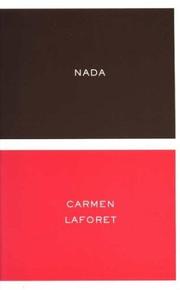
什么都没有 (1945)
百科
这个词条暂时没有中文维基百科条目,下面是英文维基百科的内容(英文原文):
Nada (Spanish for 'nothing') is the first novel by Spanish author Carmen Laforet, published in 1945.
Plot
The novel is set in the post-Spanish Civil War Barcelona. The novel is narrated by its main character, Andrea, an orphan, who has fond memories of her well off family in Barcelona, and has been raised in a convent in provincial Spain.
The government has awarded Andrea a scholarship and a subsistence stipend so that she can attend university. She travels to Barcelona to the home of her grandmother, only to find it filthy and falling apart. Her frail, devoutly Catholic grandmother seems unaware of her miserable surroundings. Also living in the crumbling house is a strict, controlling aunt Angustias, a roguish, but musically talented uncle, Román, another uncle, Juan, who abuses his beautiful wife Gloria. The whole group regularly comes to blows throughout Andrea’s stay, and Angustias eventually escapes by entering a convent.
At the university, Andrea befriends a rich girl, Ena, who begins a strange relationship with Andrea's uncle Román. She pretends to care for him, but is really taking revenge for his poor treatment of her mother years before.
When Román gets involved in the black market, Gloria reports him to the authorities. He commits suicide, for fear of arrest by the Francoist police.
Ena and her family move to Madrid, and soon send for Andrea to join them. Ena’s father offers to give Andrea a job and subsidize her further education. In the final part of the novel, Andrea is picked up by the family’s fancy car, leaving behind her unpleasant life on Aribau Street in Barcelona.
Reception
Nada was published in 1945, when LaForet was 23, and created a "sensation" in Barcelona when it came out. Nada won Laforet the first Premio Nadal literary prize in Spain.
This book passed the censorship of the Francoist State and so it avoids directly addressing the harshness of the government at the time. However, the book became very popular when it finally cleared Franco’s censors. It is considered to be an important contribution to the school of Existentialist literature of post-Civil War Spain.
In 2007 an English translation of Nada by Edith Grossman was published.
Fernández-Lamarque and Fernández-Babineaux see metatextual references with Little Red Riding Hood and gender inversion in the novel depicting Andrea and Ena as androgynous beings.
以上文字摘自英文维基百科「Nada (novel)」(去掉了参考文献等尾部小节),按 CC BY-SA 4.0 使用,作者为维基百科的各位编者。
资料卡
- 原题
- Nada
- 原作语言
- 西班牙语
- 首次出版
- 1945 年
- 作品形式
- 长篇小说
- 故事发生地
- 巴塞罗那
- 获奖
- 纳达尔奖(1944)
资料卡来自 Wikidata Q1623656(CC0),众包数据,个别字段可能不全。