书单
超级魔鬼经济学 (2009)
百科
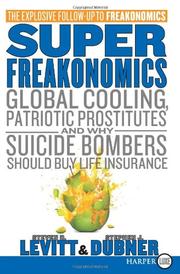
《超爆魔鬼经济学》(英语:SuperFreakonomics: Global Cooling, Patriotic Prostitutes, and Why Suicide Bombers Should Buy Life Insurance)是本由芝加哥大学经济系教授史蒂芬·列维特和前《纽约时报》编辑史蒂芬·杜伯纳共同撰写的非文学作品。2009年10月初于欧洲出版,10月20日于美国出版。为《魔鬼经济学》的续作。
概要
为《魔鬼经济学》的续作;前言中提到人们的所有作为,背后都有诱因,并说明人们都应该为问题找到更便宜的解方。第一章写道,生意是如何随着季节而有所变化,还有妓女赚钱的细节。第二章则在讲,追捕恐怖分子的线索,可能就藏在银行户头里。第三章在探讨人们为何选择帮助或阻碍他人。在第四章中,提到不同的诱因会为问题带来不同的结果。第五章则告诉了人们,为什么经济学家经常不愿去预测环境问题。后记则在探讨猴子是否可以透过训练懂得如何使用货币。
大众反应
因为其娱乐价值,《超爆魔鬼经济学》得到高度的赞赏。但也因为其不合常理的研究方式而受到批评,尤其是在关于全球暖化的议题上。《金融时报》中,蒂姆·哈福德(《卧底经济学》(The Undercover Economist)作者)说《超爆魔鬼经济学》和《魔鬼经济学》极为相像,但相比之下,更为出色。《纽约邮报》的评论兼小说家凯尔·史密斯(Kyle Smith)描述这本书为:“勇敢、振奋人心且特立独行的漂亮作品。”。《商业周刊》给本书3.5颗星(最高5颗),并称本书:“富创造力,充分利用经济学于那些不寻常的事物上。”
以上文字摘自维基百科「超级魔鬼经济学」(去掉了参考文献等尾部小节),按 CC BY-SA 4.0 使用,作者为维基百科的各位编者。
中文维基百科的条目比较短,下面附上英文维基百科的内容(英文原文):
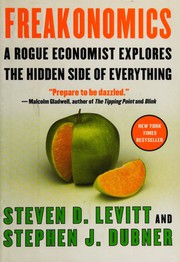
SuperFreakonomics: Global Cooling, Patriotic Prostitutes, and Why Suicide Bombers Should Buy Life Insurance is the second non-fiction book by University of Chicago economist Steven Levitt and The New York Times journalist Stephen J. Dubner, released in early October 2009 in Europe and on October 20, 2009 in the United States. It is a sequel to Freakonomics: A Rogue Economist Explores the Hidden Side of Everything.
Synopsis
The explanatory note states that the theme of the book explores the concept that all people work for a particular reward. The introduction states people should look at problems economically. The examples given include the preference for sons in India and the hardships Indian women face, as well as the horse manure issue at the turn of the 20th century.
The first chapter explores prostitution and pimps in South Chicago, one high class escort, and real estate brokers. The pimps and brokers are compared based on the idea that they are helping to sell one's services to the larger market. Inequalities in pay grades for men and women are also covered in the chapter.
The second chapter is about patterns and details. Patterns in the ages of soccer players, health issues of children in the womb during Ramadan, and the upbringings of terrorists are observed. Next, the book discusses the skills of hospital doctors and how Azyxxi was created, and draws parallels to how terrorists in the UK were tracked down by banks.
Altruism is discussed in the third chapter, and uses examples of the murder of Kitty Genovese, crime rates as affected by television, and economic experimental games such as prisoner's dilemma, ultimatum, and the work of John A. List.
The fourth chapter is about unintended consequences and simple fixes. It goes into detail about Ignaz Semmelweis' work in hospitals, use of seatbelts and child seats, and the possibility of reducing hurricanes.
The fifth chapter discusses externalities and global warming. It discusses how economics does not necessarily take environmental issues into account. While interviewing Nathan Myhrvold and Ken Caldeira from Intellectual Ventures, the authors posit an alternative way of solving global warming by stratospheric aerosol injection.
The epilogue is about microeconomics, and discusses a study by Laurie Santos and Keith Chen as to whether capuchin monkeys can be trained to use money.
Reception
SuperFreakonomics has been praised for its entertainment value, but has drawn criticism for taking unconventional approaches to its subject matter, particularly global warming.
In the Financial Times, Tim Harford, author of The Undercover Economist, said that SuperFreakonomics "is a lot like Freakonomics, but better." BusinessWeek gave the book three and a half stars out of five, saying that the book is "[a]n inventive and even useful application of economics to unusual subjects".
Global warming section
In the book's fifth chapter, the author proposes that the climate system can be intentionally regulated by construction of a stratoshield or a fleet of marine cloud seeders.
The chapter has been criticized by economists and climate science experts who say it contains numerous misleading statements and discredited arguments. Among the critics are Paul Krugman, Brad DeLong, Raymond Pierrehumbert, The Guardian, Bloomberg News, and The Economist. Elizabeth Kolbert, a science writer for The New Yorker who has written extensively on global warming, contends that "just about everything they [Levitt and Dubner] have to say on the topic is, factually speaking, wrong."
Joseph Romm said that SuperFreakonomics had seriously misrepresented the position of climate scientist Ken Caldeira; the book says among other things, that Caldeira's research tells him CO2 is "not the right villain", an assertion Caldeira strongly disputes.
以上文字摘自英文维基百科「SuperFreakonomics」(有删节,去掉了参考文献等尾部小节),按 CC BY-SA 4.0 使用,作者为维基百科的各位编者。
资料卡
- 原题
- SuperFreakonomics
- 原作语言
- 英语
- 首次出版
- 2009 年 10 月 20 日
- 体裁
- 非虚构作品
- 首版出版社
- 威廉·莫罗出版社
- 前作
- 魔鬼经济学
- 续作
- Think Like a Freak
资料卡来自 Wikidata Q576392(CC0),众包数据,个别字段可能不全。