书单
百科
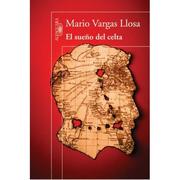
凯尔特人之梦(西班牙语:El sueño del celta)是秘鲁作家巴尔加斯·略萨的一部小说。
该书于2010年11月3日在马德里美洲之家博物馆的一场庆典上与读者见面,同一天在书店上架。它在西班牙成为畅销书,并且是第24届瓜达拉哈拉国际书展上最受欢迎的图书。
该书是爱尔兰民族主义者罗杰·凯斯门特(1864-1916)生平的小说化。
以上文字摘自维基百科「凯尔特人之梦」(去掉了参考文献等尾部小节),按 CC BY-SA 4.0 使用,作者为维基百科的各位编者。
中文维基百科的条目比较短,下面附上英文维基百科的内容(英文原文):
The Dream of the Celt (Spanish: El sueño del celta) is a novel by Peruvian writer and 2010 Nobel laureate in literature Mario Vargas Llosa.
The novel was presented to the public November 3, 2010 during a special ceremony held in the Casa de América museum and cultural center in Madrid, that same day it appeared in bookstores. It has been a bestseller in Spain and was the most popular title at the XXIV Feria Internacional del Libro de Guadalajara. An English translation by Edith Grossman was published in 2012.
The book is a novelization of the life of Anglo-Irish diplomat and Irish patriot Roger Casement (1864–1916). The title is itself the title of a poem written by the subject. The Nobel Prize committee in announcing Vargas Llosa's selection in the following fashion: "[it is] for his cartography of structures of power and his trenchant images of the individual's resistance, revolt, and defeat," seemed to simultaneously anticipate and chart the author's course in his latest work, while clearly referencing some of his most acclaimed earlier novels.
Though remembered mainly in the Irish context, Roger Casement for a time played an important role in the history of Peru, Vargas Llosa's own country, helping to expose and put an end to terrible exploitation of Native Americans in Peru's Amazon region, known as the Putumayo genocide.
Theme and structure
The Dream of the Celt combines elements of the historical novel with those of the journalistic chronicle; the main human and historical themes explored are those relating to the colonial subjugation and enslavement (via a process of systematic terror and torture) of the native inhabitants of the Congo Basin and the Peruvian Amazon during the latter part of the 19th and early part of the 20th century. The novel naturally and purposefully invites comparison with Joseph Conrad's Heart of Darkness (the direct appearance of Conrad in the novel leaves little doubt in this regard).
It is within this larger context that the complex and ultimately tragic story of British consul Roger Casement unfolds. The most notable events of this vita being his exposure to and his first-hand accounts of the systematic tortures inflicted on the native inhabitants of the Congo and Peru by European commercial concerns; his attainment of a British knighthood for these same humanitarian endeavors; his subsequent transformation into a radical fighter for Irish independence, collaboration with the German military, and participation in the Easter Rising; his arrest, prosecution, and conviction for treason by the British; the late revelations of a submerged history of pederastic activities as per his own secret diaries; his execution by hanging.
The story is told in alternating chapters, with the odd chapters detailing the last three months of Casement's life (in 1916), and the even chapters encompassing the protagonist's experiences up to that time; the latter are themselves divided into three parts, each one named after a specific colonial geography and reality to which Casement was exposed: "Congo," "Amazonia," "Ireland." Ultimately, odd and even chapters converge on a final structural and dramatic point, which is also the final point (and, in a sense, purpose) of Casement's life.
以上文字摘自英文维基百科「The Dream of the Celt」(去掉了参考文献等尾部小节),按 CC BY-SA 4.0 使用,作者为维基百科的各位编者。
资料卡
- 原题
- El sueño del celta
- 译者
- Edith Grossman
- 原作语言
- 西班牙语
- 首次出版
- 2010 年
- 作品形式
- 长篇小说
- 首版出版社
- 法伯尔和法伯尔、法勒、施特劳斯和吉鲁出版社
- 故事发生地
- 比属刚果、秘鲁、英国
- 主要人物
- 罗杰·凯塞门
资料卡来自 Wikidata Q537333(CC0),众包数据,个别字段可能不全。