书单
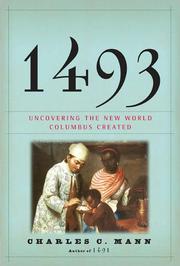
1493:物种大交换开创的世界史 (2011)
- 作者
- 查尔斯·曼恩
- 首版
- 2011 年
- 国家/地区
- 美国
- Open Library
- 16 个版本
百科
《1493:物种大交换开创的世界史》(1493: Uncovering the New World Columbus Created)是一部关于哥伦布大交换的非虚构作品,由美国克诺夫出版社出版,查尔斯·曼恩所著,于2011年第一次出版。其内容以自哥伦布第一次登陆美洲以来,哥伦布大交换对世界化的影响与促成为主,兼已人类文明史为辅。本书是曼恩的作品《1491》的续作。
在本书中,曼恩认为哥伦布大交换对人类的世界化的形成与同质世的产生奠定了基础(同质世的一个显著的特征便是农作物,疾病和生产工具在全球范围内的同质化,而这种特征则正是由大交换带来的人类迁徙所产生的)。其中,新大路的发现和伴随新大陆的发现之后带来的物种交换和新贸易的产生使得现代的农业生产和储备成为了可能。此外,他还认为大交换对中国的衰落和西方的崛起产生了重大的影响。
以上文字摘自维基百科「1493:物种大交换开创的世界史」(去掉了参考文献等尾部小节),按 CC BY-SA 4.0 使用,作者为维基百科的各位编者。
中文维基百科的条目比较短,下面附上英文维基百科的内容(英文原文):
1493: Uncovering the New World Columbus Created is a nonfiction book by Charles C. Mann first published in 2011. It covers the global effects of the Columbian Exchange, following Columbus's first landing in the Americas, that led to our current globalized world civilization. It follows on from Mann's previous book on the Americas prior to Columbus, 1491: New Revelations of the Americas Before Columbus.
In his book, Mann argues that Columbus paved the way to the homogenocene, a particular feature of the anthropocene that is marked by a global homogenization of (agricultural) species, diseases, and tools brought about by the migration and transport that set in with the discovery of the new world. Modern global food production largely relies on “invasive species” (crops, livestock) that existed only regionally before the establishment of the new trade and transport paths.
Different titles
In the United Kingdom, the book is published by Granta Books and is titled 1493: How the Ecological Collision of Europe and the Americas Gave Rise to the Modern World.
The book was adapted for younger readers by Rebecca Stefoff and published by Seven Stories Press in 2015 as 1493 for Young People: From Columbus's Voyage to Globalization.
Synopsis
The author describes the Columbian Exchange and its global impact. Monocultures such as tobacco caused soil erosion and flooding. Colonization also brought the infectious diseases of malaria and yellow fever that he says did not exist on the American continent.
Potatoes and tobacco were exchanged for silver in China. Guano from the Andes was used as a fertilizer in Europe.
The author ends by describing how the triangular trade in African slaves impacted the world in its culture, food, agriculture, and history. The slaves who managed to escape formed isolated communities, sometimes forging alliances with Indigenous peoples and other marginalized groups.
Reception
Ian Morris, in his review in The New York Times, appreciates the interesting tales Mann tells, writing, "He makes even the most unpromising-sounding subjects fascinating. I, for one, will never look at a piece of rubber in quite the same way now that I have been introduced to the debauched nouveaux riches of 19th-century Brazil, guzzling Champagne from bathtubs and gunning one another down in the streets of Manaus." Gregory McNamee in The Washington Post finds 1493 "fascinating and complex, exemplary in its union of meaningful fact with good storytelling."
以上文字摘自英文维基百科「1493: Uncovering the New World Columbus Created」(去掉了参考文献等尾部小节),按 CC BY-SA 4.0 使用,作者为维基百科的各位编者。
资料卡
- 原题
- 1493: Uncovering the New World Columbus Created
- 原作语言
- 英语
- 首次出版
- 2011 年 8 月 9 日
- 体裁
- 非虚构作品、历史编篆学
- 首版出版社
- 阿尔佛雷德·A·克诺夫
- 页数
- 560
- 前作
- 1491:前哥伦布时代美洲启示录
- 主题
- 哥伦布大交换
资料卡来自 Wikidata Q4549887(CC0),众包数据,个别字段可能不全。