 书单
百科
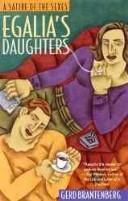
伊加利亚的女儿们 (挪威语:Egalias døtre;瑞典语:Egalias döttrar),是格德·布兰腾伯格的小说。1977年,以挪威语首次出版。这部小说就像布兰腾伯格的其他作品一样,打破常规,探问女性在社会中的状态。这本书已被翻译成多种语言,被认为是女性主义文学与女性主义科幻的经典。
内容
故事叙述了一个女强男弱的反乌托邦世界“伊加森”(Egalsund)。在伊加森中,男性饱受女性压迫,甚被要求戴上“阴茎罩”。而主角少年佩托尼奥(Petronius)成为男权主义者,试图改变伊加森不公平的体制。
以上文字摘自维基百科「伊加利亞的女兒們」(去掉了参考文献等尾部小节),按 CC BY-SA 4.0 使用,作者为维基百科的各位编者。
中文维基百科的条目比较短,下面附上英文维基百科的内容(英文原文):
Egalia's Daughters (Norwegian: Egalias døtre) is a novel by Gerd Brantenberg that was first published in 1977 in Norwegian. The novel is like most of Brantenberg's other works – norm-breaking in such a way that it questions the social, existential and erotic position of women in the society. The book has been translated into several languages and is considered a feminist literature classic.
The name of the former South Korean feminist community Megalia was based partly on the name of this book.
Content
The story is located in the fictional land of Egalia, where stereotypical gender roles are flipped. The protagonist of the novel is a young boy named Petronius. He is active in the fight against the current feminine norms in the society, wanting to reach an equal society and fulfill his dream of becoming a seawoman. Even though Petronius sometimes fantasizes about a quiet and peaceful life with a strong woman to take care of him, he continues his tough fight for a better future for men. In the novel, a number of examples of the current matriarchy are offered, such as poor Petronius being forced to use a “PH” ("penisholder," a humorous invented masculine equivalent to a women's bra for the penis; the Norwegian term for "bra" is BH for "brystholder," aka "breast holder"), experiencing a violent sexual attack, and being introduced to birth control pills for men.
The language in the novel is key to its impact, though the translations to English, German, and other languages do attempt to match the original Norwegian in effect. Language used in society today often reflects patriarchal norms; the novel turns this on its head by making the core of each word feminine, for instance (in the English translation) using “wim” as the root for "person" (instead of "man"), and “menwim" for "masculine person" (instead of "women"). The nomenclature in the book extends to many linguistic categories, such as personal names, where short and rough or "nickname" sounding names are given to wim (Ba, Gro and Rut; compare Tom, Dick, Bob) and menwim are given longer and more melodious, unshortened names (Petronius, Mirabello and Baldrian; compare Rosalie, Victoria, Penelope). The word "human" becomes "huwim."
以上文字摘自英文维基百科「Egalia's Daughters」(去掉了参考文献等尾部小节),按 CC BY-SA 4.0 使用,作者为维基百科的各位编者。
资料卡
- 原题
- Egalia’s Daughters
- 原作语言
- 挪威语
- 首次出版
- 1977 年
- 作品形式
- 长篇小说
资料卡来自 Wikidata Q10480203(CC0),众包数据,个别字段可能不全。