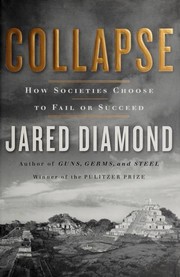
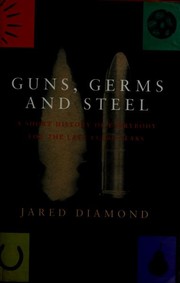
书单
百科
这个词条暂时没有中文维基百科条目,下面是英文维基百科的内容(英文原文):
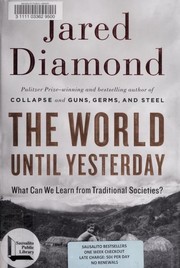
The World Until Yesterday: What Can We Learn from Traditional Societies? is a 2012 popular science book by Jared Diamond. It explores what people living in the Western world can learn from traditional societies, including differing approaches to conflict resolution, treatment of the elderly, childcare, the benefits of multilingualism and a lower salt intake.
Reception
The World Until Yesterday has had a mixed reception. Abby O'Reilly of The Independent called it "essential reading" that "cements [Diamond's] position as the most considered, courageous and sensitive teller of the human story writing today." In The New York Times, David Brooks' review was mostly positive; but he lamented the lack of individual indigenous voices in the book, calling it "curiously impersonal."
Anthropologists' reception of the book was less positive. Ethnobotanist Wade Davis said both the scope of the "lessons" drawn and the range of ethnographic evidence used to support them was limited, characterizing it as "a book of great promise [that] reads as a compendium of the obvious, ethnology by anecdote." Indigenous leaders in West Papua and indigenous rights organization Survival International objected to Diamond's characterization of tribal societies as violent.
以上文字摘自英文维基百科「The World Until Yesterday」(去掉了参考文献等尾部小节),按 CC BY-SA 4.0 使用,作者为维基百科的各位编者。
资料卡
- 原题
- The World Until Yesterday
- 原作语言
- 英语
- 首次出版
- 2012 年
- 体裁
- 随笔
- 首版出版社
- 维京出版社
- 前作
- 大崩坏
- 主题
- 前工业化
资料卡来自 Wikidata Q7776075(CC0),众包数据,个别字段可能不全。