书单
百科
这个词条暂时没有中文维基百科条目,下面是英文维基百科的内容(英文原文):
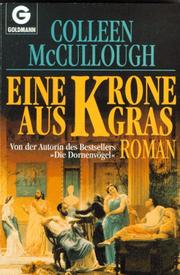
The Grass Crown is the second historical novel in Colleen McCullough's Masters of Rome series, published in 1991.
The novel opens shortly after the action of The First Man in Rome. Gaius Marius and Lucius Cornelius Sulla eat dinner together with their wives, and discuss the threat presented by Mithridates VI of Pontus and Tigranes II of Armenia.
Plot summary
Although these two powerful Eastern rulers would eventually declare war on Rome and slaughter thousands of Roman citizens, the plot of the novel centres on the Social War of 91 to 88 BC, a civil war which Rome fought against its mutinous Italian Allies after they were refused full Roman citizenship. (The lengthy section dealing with Marcus Livius Drusus' attempt to secure them the citizenship, which ends in his tragic assassination, is one of the main turning points in the entire series.)
Marius and Sulla, still friends and professional colleagues, face the Italian threat together, and succeed in putting down the rebellion of the Italians. However, Marius suffers a serious stroke (his second), and is forced to withdraw from the war. During this struggle, Sulla, rallying his troops against certain destruction near Nola, is hailed as 'imperator' on the field of battle and presented with the highest honour a Roman general can receive: the corona graminea, the eponymous 'Grass Crown'. This was only awarded a very few times during the Republic, and only ever to a general or commander who broke the blockade around a beleaguered Roman army or otherwise saved an entire legion or army from annihilation.
However, once Rome has settled this pressing domestic matter, and can begin to plot revenge against Mithridates and Tigranes, Marius and Sulla have their first serious falling out over the question of who should lead the legions East. Marius, now an aged and discredited statesman previously dubbed the 'Third Founder of Rome', is pining for further glory and believes only he has the talent necessary to defeat the allied Kings. Sulla feels as though his old mentor is unwilling to step aside and wants to destroy Sulla's chance of outshining him. The Senate cites Marius's age and poor health as a reason to back Sulla, who moreover is the sitting consul and therefore has the side of right. The seeds of serious discord are planted.
The Roman comitia quickly becomes a source of political conflict between the two men, and leads to Sulla's first shocking march on Rome. It also leads Gaius Marius to pursue an unprecedented seventh consulship, which he wins and undertakes after suffering a series of strokes, and is depicted in this novel as going mad.
Other narrative threads of note: the childhood of Julius Caesar and Cato the Younger, as well as the early military careers of Pompey and Cicero (who was appointed to Pompeius Strabo as a cadet) in the Social War: and the unjust trial and exile of Publius Rutilius Rufus, falsely accused of extortion, driven out of Rome, and welcomed by a street festival in his honour in the city he was accused of looting.
以上文字摘自英文维基百科「The Grass Crown (novel)」(去掉了参考文献等尾部小节),按 CC BY-SA 4.0 使用,作者为维基百科的各位编者。
资料卡
- 原题
- The Grass Crown
- 原作语言
- 英语
- 首次出版
- 1991 年
- 作品形式
- 长篇小说
- 首版出版社
- 威廉·莫罗出版社、兰登书屋
- 所属系列
- 罗马主宰
- 前作
- 罗马第一人
- 续作
- Fortune's Favourites
资料卡来自 Wikidata Q584802(CC0),众包数据,个别字段可能不全。