书单
百科
这个词条暂时没有中文维基百科条目,下面是英文维基百科的内容(英文原文):
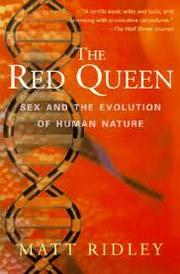
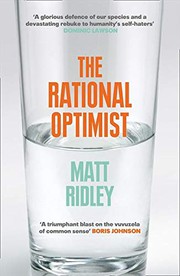
The Rational Optimist is a 2010 popular science book by Matt Ridley, author of The Red Queen: Sex and the Evolution of Human Nature. The book primarily focuses on the benefits of the innate human tendency to trade goods and services. Ridley argues that this trait, together with the specialization linked to it, is the source of modern human civilization, and that, as people increasingly specialize in their skill sets, we will have increased trade and more prosperity.
Reception
Bill Gates praised the book for its key ideas on the importance of trade and the excessive pessimism prevalent in our society. Gates challenged the book's stance against international aid, raised questions about the author's expertise in discussing climate change, and suggested that it downplays the potential for global catastrophic risks. Ricardo Salinas Pliego praised the book as a defence of free trade and globalisation. Michael Shermer gave the book positive reviews in Nature and Scientific American before going on to present similar ideas in conference talks, and writing The Moral Arc partly in response. David Papineau praised the book for refuting "doomsayers who insist that everything is going from bad to worse".
George Monbiot criticised the book in his Guardian column. Critics of the book say it fails to address wealth inequality, and other criticisms of globalization.
以上文字摘自英文维基百科「The Rational Optimist」(去掉了参考文献等尾部小节),按 CC BY-SA 4.0 使用,作者为维基百科的各位编者。
资料卡
- 原题
- The Rational Optimist
- 原作语言
- 英语
- 首次出版
- 2010 年
- 体裁
- 大众科学
资料卡来自 Wikidata Q17560747(CC0),众包数据,个别字段可能不全。