书单
百科
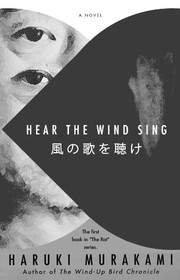
《且听风吟》(日语:风の歌を聴け/かぜのうたをきけ,罗马化:Kaze no uta o kike),是日本作家村上春树的第一本小说,于1979年由讲谈社发行单行本,获得了第22回日本群像新人文学奖。
简介
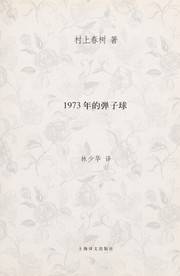
该小说与作者后来的作品《一九七三年的弹子球》、《寻羊冒险记》常并称为《鼠的三部曲》。
简体中文译本由林少华翻译,繁体中文译本则由赖明珠翻译。
小说篇幅不长,情节也较简单,以第一人称叙述。
“我”是一个在东京上大学的学生,1970年在家乡渡暑假的时候,整日与朋友鼠一起在酒吧喝酒聊天。一天“我”在酒吧,鼠没有来,“我”却在卫生间看见一个左手没有小指的女孩醉倒在地。于是“我”送她回家,并为防止出事陪其过夜,结果反而造成误会。几天之后,两人在一家唱片店偶然相遇,并开始交往,逐渐亲密。这段恋情到“我”的暑假结束共持续了18天。之后,“我”回到东京。等到寒假“我”再次回到家乡时,女孩已杳如云烟。
以上文字摘自维基百科「且听风吟」(去掉了参考文献等尾部小节),按 CC BY-SA 4.0 使用,作者为维基百科的各位编者。
中文维基百科的条目比较短,下面附上英文维基百科的内容(英文原文):
Hear the Wind Sing (風の歌を聴け, Kaze no uta o kike) is the first novel by Japanese writer Haruki Murakami. It first appeared in the June 1979 issue of Gunzo, and in book form the next month. The novel was adapted by Japanese director Kazuki Ōmori in a 1981 film distributed by Art Theatre Guild. An English translation by Alfred Birnbaum appeared in 1987.
It is the first book in the so-called "Trilogy of the Rat" series of independent novels, followed by Pinball, 1973 (1980) and A Wild Sheep Chase (1982), before the later epilogue Dance Dance Dance (1988). All four books in the series have been translated into English, but Hear the Wind Sing and Pinball, 1973 (which are realist novels slightly differing from the author's later style) were never widely distributed in the English-speaking world, having only been published in Japan by Kodansha under their Kodansha English Library branding (for English Foreign Language learners), and both only as A6-sized pocketbooks. This was due to Murakami viewing the two novels as "works from his immature period". An omnibus English edition of Murakami's first two novels (Hear the Wind Sing and Pinball, 1973), under the title Wind/Pinball, with translations by Prof. Ted Goossen of York University, was released in the United States in August, 2015.
Title
The title "Hear the Wind Sing" came from the last sentence of Truman Capote's short story "Shut a Final Door" - "Think of nothing things, think of wind." However, the title of the novel submitted to the Gunzo Literature Prize committee was "Happy Birthday and White Christmas". The old title appears at the top of the cover page of the published book in small fonts.
Background
The inspiration to write a novel struck Murakami suddenly while watching the opening day match of the NPB's 29th season on April 1st, 1978, with the Yakult Swallows at Meiji Jingu Stadium, at the moment Dave Hilton hit a double in the 1st inning. Murakami was running a Jazz cafe at the time. He wrote at night, completing it after ten months.
Themes
The story covers the craft of writing, the Japanese student movement, and, like later Murakami novels, relationships and loss. Also like later novels, listening to western music, cooking, eating, and drinking are regularly described. The narrator's close friend, "the Rat", around whom the trilogy of the Rat evolves, is a student and bar patron who expresses a general alienation towards society. The narrator describes the (fictional) American writer Derek Hartfield as a primary influence, citing his pulp science fiction works, and quoting him at several points.
Plot summary
Feeling writing as a terribly painful task, the narrator retells the story of his 1970 summer. He was a student at a university in Tokyo then, and returned to his seaside hometown in Kobe for summer vacation. That spring, a girl he dated at the university died by suicide. During the summer vacation, he frequented J's bar with his friend "the Rat" and spent much time drinking beer obsessively. One day, he came across a girl lying on the floor in the washroom of the bar and carried her home. The girl had no left little finger. Later, he ran into the girl by chance in the record store where she worked. After that, she started calling him and they hung out a few times. Meanwhile, Rat was clearly troubled about some woman but he did not disclose the details. One day, the girl without a little finger met the narrator at a restaurant near the harbor. They took a walk in the dusk along the warehouse street. She told him, "When I sit there alone, I can hear a lot of people coming to talk to me..." That night, at her apartment, she revealed she just had an abortion. When he came back in the winter, the girl had left the record store and her apartment. The narrator is married now and living in Tokyo. Rat is still writing novels and sends his manuscripts to the narrator every Christmas.
以上文字摘自英文维基百科「Hear the Wind Sing」(有删节,去掉了参考文献等尾部小节),按 CC BY-SA 4.0 使用,作者为维基百科的各位编者。
资料卡
- 原题
- 風の歌を聴け
- 插图
- Maki Sasaki
- 译者
- Alfred Birnbaum
- 原作语言
- 日语
- 首次出版
- 1979 年 7 月
- 作品形式
- 长篇小说
- 首版出版社
- 讲谈社
- 续作
- 1973年的弹子球
资料卡来自 Wikidata Q2641274(CC0),众包数据,个别字段可能不全。
改编作品
电影1
- 《听风的歌》Hear The Wind Sing
名单来自 Wikidata(CC0):只列条目里写明「改编自 / 取材于」这本书的作品,不按名字猜;众包数据,可能不全。