 书单
百科
这个词条暂时没有中文维基百科条目,下面是英文维基百科的内容(英文原文):
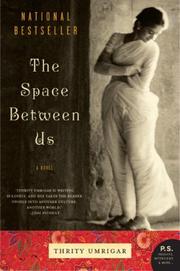
The Space Between Us is the second novel by Thrity Umrigar, published by William Morrow and Company in January 2006. Set in present-day Mumbai, India, the novel follows the lives of two women: Serabai Dubash, an upper-middle-class widow, and her domestic servant, Bhima. The pair experience similar situations in their lives: abuse, the death or absence of a husband, a pregnant dependent, and the hope for a better future. Told using an omniscient third-person narrative in mainly present tense, the novel incorporates Hindi words and phrases amongst predominantly English text.
Influenced by Umrigar's real-life experience with the employer-servant relationship, the novel explores social class in India and the division of power in society. Umrigar, who was born and lived in Mumbai until the age of twenty-one, modeled Bhima after a domestic servant of the same name who worked in her childhood home and for whom Umrigar had much admiration. Upon its release, The Space Between Us received largely positive reviews from English-language critics. While the majority of reviewers enjoyed Umrigar's simple, descriptive prose, a few questioned whether she depended on clichés and exaggeration. Critics praised her lively depiction of Mumbai and the sympathetic characters, and noted the social commentary present in the novel.
Plot
The Space Between Us takes place in present-day India and centers on two women: Serabai (Sera) Dubash, an upper-middle-class, Parsi widow, and her domestic servant of more than twenty years, Bhima. Now sixty-five years old, illiterate Bhima lives in the slums of Mumbai with her pregnant, unwed granddaughter, the seventeen-year-old Maya, whose college tuition is paid for by Sera. Through flashbacks, Bhima remembers her husband, who, after a work-related accident caused him to lose three fingers, became an alcoholic and abandoned her, taking their son Amit with him. She also remembers her daughter Pooja, who married, but died of AIDS together with her husband, leaving Maya an orphan at a young age.
Since the sudden death of her physically abusive husband three years ago, Sera has cared for her disabled mother-in-law, who had insisted on isolating her from the family when Sera was menstruating. Sera also tends to her pregnant daughter Dinaz, and pays for Maya's abortion. A while later, Maya reluctantly tells Bhima that Dinaz's husband Viraf impregnated her and told her to keep it a secret so that she could continue her education and Bhima could keep her job. Angered, Bhima confronts Viraf, and he later accuses her of stealing ₹700 (US$7.30) from the cupboard. Sera dismisses her, unable to listen to Bhima's hints about Viraf's actions towards Maya. Bhima leaves, and recalling a balloon seller whom she had admired, buys ₹20 (21¢ US) worth of balloons and goes to the seaside. She resolves to deal with tomorrow.
Style and themes
Using an omniscient third-person narrative, The Space Between Us is divided between the stories of its two protagonists, Sera and Bhima. Although the novel occasionally explores their memories in flashbacks, Thrity Umrigar wrote much of the novel in the present tense and used adjectives, similes, and metaphors frequently in her descriptions. She also incorporated Hindi words alongside English ones in the novel: "What is this, baba? So-so much money," says one character, for example. According to The Independent's Aamer Hussein, "Umrigar's preoccupations are the classic and abiding tropes of domestic middlebrow fiction: love and families, marriage, childbirth, betrayal, lack and loss."
Among the many issues explored—"poverty engendering poverty; the power of privilege and wealth; domestic violence;... education; women's rights; AIDS"—the novel examines the class system in India. The protagonists undergo parallel situations in their lives: abuse from men they loved, enduring "shame and disappointment", expecting the successes of their children to bring them happiness, and comforting each other through their bond. Claudia Webb of the London Financial Times stated: "The one element that separates them is money." While the protagonists share a closer relationship than many masters and servants in India, Sera looks down on Bhima and refuses to let her sit on a chair in her house or drink from the same glass. Ligaya Mishan of The New York Times saw a parallel in Sera's "mother-in-law's superstition and her physical aversion to Bhima, whom she imagines to be covered in a 'sheen of dirtiness.'" Additionally, Umrigar explored the strength of friendship among the characters, which the class system and its bias threaten. The character Dinaz has some of the views about the master-servant relationship that Umrigar had as a teenager. The author has said that children in general are able to "see through the social clutter" of the classes.
以上文字摘自英文维基百科「The Space Between Us (novel)」(有删节,去掉了参考文献等尾部小节),按 CC BY-SA 4.0 使用,作者为维基百科的各位编者。
资料卡
- 原题
- The Space Between Us
- 原作语言
- 英语
- 首次出版
- 2006 年 1 月
- 作品形式
- 长篇小说
- 首版出版社
- 威廉·莫罗出版社
资料卡来自 Wikidata Q16962853(CC0),众包数据,个别字段可能不全。