 书单
百科
这个词条暂时没有中文维基百科条目,下面是英文维基百科的内容(英文原文):
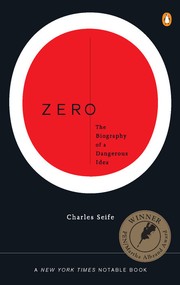
Zero: The Biography of a Dangerous Idea is a non-fiction book by American author and journalist Charles Seife. The book was initially released on February 7, 2000, by Viking.
Background
The book offers a comprehensive look at number 0 and its controverting role as one of the great paradoxes of human thought and history since its invention by the ancient Babylonians or the Indian people. Even though zero is a fundamental idea for the modern science, initially the notion of a complete absence got a largely negative, sometimes hostile, treatment by the Western world and Greco-Roman philosophy.
Zero won the 2001 PEN/Martha Albrand Award for First Nonfiction Book.
Review
Of course, Seife's book is not a typical biography. There are no tell-all interviews with the number one or any of zero's other neighbors on the number line... Seife's book begins—of course—at Chapter Zero, with a story of how only recently a divide by zero error in its control software brought the guided missile cruiser USS Yorktown grinding to a halt. As Seife relates, "Though it was armored against weapons, nobody had thought to defend the Yorktown from zero. It was a grave mistake." Maybe it's not the pulse-pounding drama of a Tom Clancy novel, but it's enough foreshadowing to launch Seife on an essay which begins with notches on a 30,000-year-old wolf bone and ends with the role of zero in black holes and the big bang.
以上文字摘自英文维基百科「Zero: The Biography of a Dangerous Idea」(去掉了参考文献等尾部小节),按 CC BY-SA 4.0 使用,作者为维基百科的各位编者。
资料卡
- 原作语言
- 英语
- 首次出版
- 2000 年
- 作品形式
- 专著
- 体裁
- 非虚构作品
- 首版出版社
- 维京出版社
- 续作
- 阿尔法与奥米伽
- 主题
- 数学、数
资料卡来自 Wikidata Q21079201(CC0),众包数据,个别字段可能不全。