书单
百科
银河帝国三部曲(The Galactic Empire Trilogy),是美国作家艾萨克·阿西莫夫早期的科幻小说,除了三部长篇小说之外尚包含一篇短篇小说。依照写作顺序表列如下:
1945年 《死路》,短篇小说,后收录于《阿西莫夫早期作品选》
1950年 《苍穹微石》,阿西莫夫第一部长篇小说
1951年 《繁星若尘》
1952年 《星空暗流》
“银河帝国三部曲”与“基地系列”的故事背景相同,但是彼此之间并未紧密结合,也可视为是各自独立的作品。“银河帝国三部曲”比较为人所知的特色是阿西莫夫打造的未来银河帝国,还有一些未来科技,像是“超时空跃迁”、“爆破枪”和“神经鞭”,以及著名的特殊景点,首都行星川陀。“银河帝国三部曲”与“机器人系列”扯上关系,是在后来的《机器人与帝国》里,阿西莫夫揭露地球为何充满放射性时,提到了《繁星若尘》和《苍穹微石》的故事。而《死路》也是唯一设定在基地宇宙背景里的短篇小说。
阿西莫夫最初并未刻意将这个系列写成三部曲,三本书的关联亦十分薄弱。因此,这个系列的知名度远比另外两个系列低很多。后来,他重新写科幻小说,决定统一“机器人系列”和“基地系列”。阿西莫夫遇到很大的困难,因为他最初并没有想过要这样做。两个系列的设定根本完全无关。他决定扩写两大系列的故事,并用“银河帝国三部曲”作为中间的桥梁。如上文所言,“银河帝国系列”严格来说并非什么三部曲。三部小说分别讲述三个在银河帝国建立早期、中期和晚期的故事。角色之间没有特别的关系,故事强调主角的个人太空历险过程多于讨论帝国的兴起。但是无论如何,“银河帝国三部曲”帮助了艾莫西夫统一其小说,并且开展了银河帝国两万年的历史。
这三部小说并没有特别的联系,从任何一本开始阅读都没有任何问题。但是依据故事发生的顺序,阅读次序建议为《繁星若尘》《星空暗流》《苍穹微石》。
以上文字摘自维基百科「銀河帝國三部曲」(去掉了参考文献等尾部小节),按 CC BY-SA 4.0 使用,作者为维基百科的各位编者。
中文维基百科的条目比较短,下面附上英文维基百科的内容(英文原文):
The Galactic Empire series (also called the Empire novels or trilogy) is a science fiction sequence of three of Isaac Asimov's earliest novels, and extended by one short story. They are connected by their early place in his published works and chronological placement within his overarching Foundation universe, set around the rise of Asimov's Galactic Empire, between the Robot and Foundation series to which they were linked in Asimov's later novels.
Works in the series
In order of internal chronology the Empire series consists of:
The Stars, Like Dust (1951), novel
The Currents of Space (1952), novel
Pebble in the Sky (1950), his first novel
"Blind Alley" (1945), a short story also set between the Robot and Foundation series
However, Asimov stated in 1988 in the "Author's Note" to Prelude to Foundation that book #6 was "The Currents of Space" (1952), and that this was "the first of my Empire novels," and that book #7 was "The Stars, Like Dust" (1951), which was "[the] second Empire novel."
Publication history
The three Empire books, first published between 1950 and 1952, are Asimov's three earliest novels published in his own name (David Starr, Space Ranger was published before The Currents of Space, but had been published under his pen name "Paul French", and the Foundation books were collections of linked short stories rather than continuous novels).
Pebble in the Sky was originally written in the summer of 1947 under the title "Grow Old with Me" for Startling Stories, whose editor Sam Merwin, Jr. had approached Asimov to write a forty thousand word short novel for the magazine. The title was adapted from Robert Browning's Rabbi ben Ezra, the first few lines of which (starting "Grow old along with me! / The best is yet to be...") were included in the final novel. It was rejected by Startling Stories on the basis that the magazine's emphasis was more on adventure than science-heavy fiction (despite the editor having invited Asimov to write the latter as an experiment for the magazine), and again by John W. Campbell, Asimov's usual editor. In 1949, Doubleday editor Walter I. Bradbury accepted the story on the suggestion of Frederik Pohl, on the condition it was expanded to seventy thousand words and the title changed to something more science fiction oriented; it was published in January 1950 as Pebble in the Sky. "Grow Old With Me" was later published in its original form along with other draft stories in The Alternate Asimovs in 1986.
The Stars, Like Dust was originally serialised under the title Tyrann in Galaxy Science Fiction from January to March 1951, and was published as a novel by Doubleday later that year. The first paperback edition was an Ace Books double novel along with Roger Dee's An Earth Gone Mad; The Stars, Like Dust was retitled The Rebellious Stars for this edition without Asimov's consent. The novel was reprinted in with the Foundation Trilogy, The Naked Sun and I, Robot in a hardback selected works edition in 1982 by Littlehampton Book Services.
The Currents of Space was originally serialised in Astounding Science Fiction from October to December 1952 before being published by Doubleday as a novel the same year.
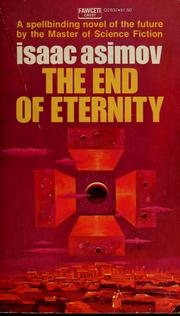
The books have been reprinted a number of times as a trilogy (as well as many times separately): in 1986 by Ballantine Books as "Galactic Empire Novel[s]", in 1992 by Spectra as "The Empire Novels" and in 2010 along with The End of Eternity by Orb Books, in both print and Kindle editions.
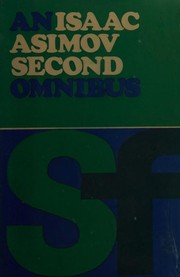
After the publication of The Currents of Space in 1952, all three novels (the only Asimov novels published at that time) were collected into an omnibus titled Triangle. They were republished again as a single volume, The Empire Novels, in 2002 by the Science Fiction Book Club.
以上文字摘自英文维基百科「Galactic Empire series」(有删节,去掉了参考文献等尾部小节),按 CC BY-SA 4.0 使用,作者为维基百科的各位编者。
资料卡
- 原作语言
- 美国英语
- 体裁
- 科学幻想
- 前作
- 机器人系列
- 续作
- 基地系列
资料卡来自 Wikidata Q368390(CC0),众包数据,个别字段可能不全。