书单
百科
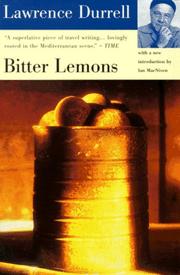
《苦柠檬之岛》(英语:Bitter Lemons)是英国作家劳伦斯·达雷尔的自传,讲述他于1953-1956年在塞浦路斯的所见所闻。除了鲜活的人物描写与幽默的情节,书中对当时英国殖民政府、土耳其、希腊民族统一主义意诺西斯三方力量的拉扯如何冲击赛岛各族裔人民之情感,亦有深刻、悲痛的刻画,反映作者的人道主义情怀,是一部笑中带泪的作品。
背景
劳伦斯·达雷尔在担任英国外交人员驻阿根廷和南斯拉夫数年后,于1953年移居塞浦路斯。自公职卸任的他决定重返文坛,顺便回味他曾在克基拉岛和罗得岛享受过的地中海生活。 尽管当时他的妻子正为精神病所苦,还有一个刚出世两年的女儿要照顾,但达雷尔在书中并没有提及他的家庭压力。
随着塞浦路斯问题激化,1956年,达雷尔被迫离开赛岛回到英国短暂居住,随后移居法国度过30多年的余生。
以上文字摘自维基百科「苦檸檬之島」(去掉了参考文献等尾部小节),按 CC BY-SA 4.0 使用,作者为维基百科的各位编者。
中文维基百科的条目比较短,下面附上英文维基百科的内容(英文原文):
Bitter Lemons is an autobiographical work by writer Lawrence Durrell, describing the three years (1953–1956) he spent on the island of Cyprus. The book was awarded the Duff Cooper Prize for 1957, the second year the prize was awarded.
Background
Durrell moved to Cyprus in 1953, following several years spent working for the British Council in Argentina and the Foreign Office in Yugoslavia. Having relinquished government employment, Durrell wanted to plunge himself once more into writing, and wanted to return to the Mediterranean world he had experienced in Corfu and Rhodes. He had hoped that he would be able to purchase a house in an affordable location and write. Although Durrell experienced personal difficulties—his wife, Eve, was undergoing treatment for mental illness and had left him in charge of his young daughter, Sappho (born 1951) — the book does not mention these people or incidents, aside from a few oblique references to his daughter.
In 1956, he abandoned his home on the island and left Cyprus very rapidly for a very brief residence in the UK, relocating to France for the remaining three decades of his life.
Plot summary
The book is alternately comic and serious, charting Durrell's experiences on Cyprus and the people he met and befriended, as well as charting the progress of the Cypriot "Enosis" (union with Greece and freedom from British rule) movement, which plunged the island into chaos and violence. Comic moments include Durrell's successful house-buying adventure, and the visits of his mother and brother, naturalist Gerald Durrell. Durrell settled in the village of Bellapais (deliberately spelt "Bellapaix" by Durrell to evoke the old name Paix), which is now part of the mostly unrecognised Turkish Republic of Northern Cyprus.
During his stay, Durrell worked first as an English teacher at the Pancyprian Gymnasium, where several of his female students reportedly fell in love with him:
Invited to write an essay on her favourite historical character, [Electra] never failed to delight me with something like this: 'I have no historical character but in the real life there is one I love. He is writer. I dote him and he dotes me. How pleasure is the moment when I see him came at the door. My glad is very big.'
Eventually, however, "the vagaries of fortune and the demons of ill-luck dragged Cyprus into the stock-market of world affairs" and as Greek Cypriot armed groups emerged demanding an end to British rule in Cyprus. Inter communal violence between Greek Cypriots and Turkish Cypriots ensued, with Greek Cypriot nationalists wanting union with Greece. Durrell accepted a job as press advisor to the British governor. Durrell was not enamoured with the Greek Cypriot militants, however, and felt that they were dragging the island to a "feast of unreason" and that "embedded so deeply in the medieval compost of religious hatreds, the villagers floundered in the muddy stream of undifferentiated hate like drowning men." The account ends with him fleeing the island without saying goodbye to his friends, approaching the "heavily guarded airport" by taxi in conversation with the driver who tells him "Dighenis, though he fights the British, really loves them. But he will have to go on killing them—with regret, even with affection."
以上文字摘自英文维基百科「Bitter Lemons」(去掉了参考文献等尾部小节),按 CC BY-SA 4.0 使用,作者为维基百科的各位编者。
资料卡
- 原题
- Bitter Lemons
- 原作语言
- 英语
- 首次出版
- 1957 年
- 体裁
- 非虚构作品、自传
- 首版出版社
- 法伯尔和法伯尔
资料卡来自 Wikidata Q878967(CC0),众包数据,个别字段可能不全。