书单
百科
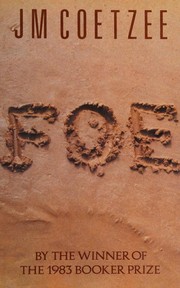
《福》(英语:Foe),是南非英语作家约翰·马克斯韦尔·库切的长篇小说。该长篇小说出版后得到《华盛顿邮报》、《纽约时报》的盛誉。
写作和出版
1986年,《福》写作完成和发表。
内容
《福》讲述“苏珊·巴顿”的海外旅程。
苏珊·巴顿的女儿被人绑架了,苏珊从欧洲英国坐船到南美洲巴西,但是归途中,苏珊不幸流落到荒岛,他遇到了鲁滨逊和他的随从“星期五”,苏珊回到英国之后,找到小说家“福”,请他帮忙写了自己的传奇经历,不过,“福”却在小说里胡编乱造。
主题和风格
部分评论家认为库切的《福》是描写“女权主义”。
影响
库切的这部长篇小说受到英国小说家丹尼尔·笛福《鲁滨逊漂流记》的深刻影响。
译著
简体中文版本已经由翻译家王敬慧翻译出版。
以上文字摘自维基百科「福 (长篇小说)」(去掉了参考文献等尾部小节),按 CC BY-SA 4.0 使用,作者为维基百科的各位编者。
中文维基百科的条目比较短,下面附上英文维基百科的内容(英文原文):
Foe is a 1986 novel by South African-born Nobel laureate J. M. Coetzee. Woven around the existing plot of Robinson Crusoe, Foe is written from the perspective of Susan Barton, a castaway who landed on the same island inhabited by "Cruso" and Friday as their adventures were already underway. Like Robinson Crusoe, it is a frame story, unfolded as Barton's narrative while in England attempting to convince the writer Daniel Foe to help transform her tale into popular fiction. Focused primarily on themes of language and power, the novel was the subject of criticism in South Africa, where it was regarded as politically irrelevant on its release. Coetzee revisited the composition of Robinson Crusoe in 2003 in his Nobel Prize acceptance speech.
Plot
Susan Barton is on a quest to find her kidnapped daughter who she knows has been taken to the New World. She is set adrift during a mutiny on a ship to Lisbon. When she comes ashore, she finds Friday and Cruso who has grown complacent, content to forget his past and live his life on the island with Friday—tongueless by what Cruso claims to have been the act of former slave owners—in attendance. Arriving near the end of their residence, Barton is on the island for only a year before the trio is rescued, but the homesick Cruso does not survive the voyage to England. In England with Friday, Barton attempts to set her adventures on the island to paper, but she feels her efforts lack popular appeal. She tries to convince novelist Daniel Foe to help with her manuscript, but he does not agree on which of her adventures is interesting. Foe would prefer to set her story of the island as one episode of a more formulaic story of a mother looking for her lost daughter, and when he does write the story she wishes, fabulates about Cruso's adventures rather than relating her facts. Frustrating Barton's efforts further, Foe, who becomes her lover, is preoccupied with debt and has little time or energy to write about anything. Barton's story takes a twist with the return of someone claiming to be her missing daughter.
Themes
Analysts of the book have primarily focused on themes of power and language use, particularly as it relates to marginalized people. In 1994 Patrick McGrath of The New York Times claimed that one of Coetzee's central themes throughout his body of work is the "linkage of language and power, the idea that those without voices cease to signify, figuratively and literally"; McGrath pointed to Foe as the "most explicit expression" of that theme. Barton longs to tell her own story, but lacks the language to do so in a way that the public will accept. The agent she chooses to help give her the words necessary to communicate persists in erasing her history, by minimizing what she perceives as important and supplanting her remembered facts with adventurous fiction. As Foe takes over her tale, McGrath said, Barton "loses her voice in history, and thus her identity."
以上文字摘自英文维基百科「Foe (Coetzee novel)」(有删节,去掉了参考文献等尾部小节),按 CC BY-SA 4.0 使用,作者为维基百科的各位编者。
资料卡
- 原题
- Foe
- 原作语言
- 英语
- 首次出版
- 1986 年
- 作品形式
- 长篇小说
- 体裁
- 虚构作品
- 首版出版社
- 维京出版社
- 主题
- 权力、语言
- 故事发生地
- 伦敦
资料卡来自 Wikidata Q3746976(CC0),众包数据,个别字段可能不全。