书单
百科
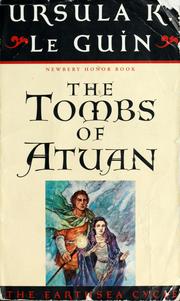
《地海古墓》(英语:The Tombs of Atuan)是美国作家娥苏拉·勒瑰恩于1971年发表的奇幻小说,是地海系列的第二部长篇小说。故事叙述古墓女祭司恬娜走出阴暗陵墓与封闭自我,寻得自由的过程。
剧情提要
在地海东北角的峨团(Atuan)岛,沙漠之中有一座祭拜“累世无名者”(Nameless Ones)的古老陵墓,历代皆由女祭司奉祀。恬娜(Tenar)自小即被认定为陵墓女祭司的转世,被带离父母身边到神庙里接受训练,舍弃自己的名字成为“被食尽者”。位处沙漠之中的陵墓圣地与世隔绝,恬娜虽然地位神圣崇高,却也感受重重束缚,只有在陵墓地底迷宫的黑暗中,她才能寻得宁静与归属。
某日,恬娜发现有外人潜入陵墓之中。她本想将他困在迷宫内等死,然而由于孤独、由于心有不忍,恬娜改变主意,只是将入侵者囚禁起来,并且数度与他交谈。这名巫师来自内环诸岛,来寻找、或盗取陵墓宝藏中的厄瑞亚拜(Erreth-Akbe)之环,群岛王国的和平象征。而恬娜从和他的交谈之中,听闻了沙漠外更广阔的世界。
为了保全囚犯,恬娜和神王庙的女祭司冲突。神王女祭司生性残酷,眷恋权力、不信神。恬娜生命受到威胁,而她所奉祀的“无名者”却毫无回应。她害怕地躲进大迷宫深处,与囚禁的巫师长谈,终于理解到:“无名者”是伟大的黑暗力量,但它们只能毁灭、无法给予。它们的暗影压迫禁锢恬娜的心灵,但她向往世界、渴望自由。
最终,恬娜决心信任巫师、也就是格得,两人协力逃出陵墓,带着重合的厄瑞亚拜之环,一同前往群岛王国。
评析
《地海古墓》承袭《地海巫师》的主题,探讨青少年的成长历程,然而恬娜所赢得的不是力量、而是自由。书中对于恬娜做出人生重大抉择的心路历程、以及事后的省思,都有深入详实的描写。本书也进一步扩展地海的世界,对于古代神庙信仰的细节描写亦为同类书籍所少见。
中译书目
《地海古墓》 蔡美玲译,缪思出版社奇幻馆书系,2002年(繁体,台湾地区)
以上文字摘自维基百科「地海古墓」(去掉了参考文献等尾部小节),按 CC BY-SA 4.0 使用,作者为维基百科的各位编者。
中文维基百科的条目比较短,下面附上英文维基百科的内容(英文原文):
The Tombs of Atuan is a fantasy novel by the American author Ursula K. Le Guin, first published in the Winter 1970 issue of Worlds of Fantasy magazine, and published as a book by Atheneum Books in 1971. It is the second book in the Earthsea series after A Wizard of Earthsea (1969). The Tombs of Atuan was a Newbery Honor Book in 1972.
Set in the fictional world of Earthsea, The Tombs of Atuan follows the story of Tenar, a young girl born in the Kargish empire, who is taken while still a child to be the high priestess to the "Nameless Ones" at the Tombs of Atuan. Her existence at the Tombs is a lonely one, deepened by the isolation of being the highest ranking priestess. Her world is disrupted by the arrival of Ged, the protagonist of A Wizard of Earthsea, who seeks to steal the half of a talisman that is buried in the treasury of the Tombs. Tenar traps him in the labyrinth under the Tombs, but she then rebels against her teaching and keeps him alive. Through him she learns more about the outside world, and she begins to question her faith in the Nameless Ones and her place at the Tombs.
Like A Wizard of Earthsea, The Tombs of Atuan is a bildungsroman, which explores Tenar's growth and identity. Tenar's coming-of-age is closely tied to her exploration of faith and her belief in the Nameless Ones. The Tombs of Atuan explores themes of gender and power, in the setting of a cult of female priests in service to a patriarchal society, while providing an anthropological view of Kargish culture. Tenar, who became the subject of Le Guin's fourth Earthsea novel, Tehanu, has been described as a more revolutionary protagonist than Ged, or Arren, the protagonist of The Farthest Shore (1972), the third Earthsea volume. Whereas the two men grow into socially approved roles, Tenar rebels and struggles against the confines of her social role. The Tombs of Atuan shares elements of a heroic quest story with other Earthsea novels, but it subverts some tropes common to the fantasy genre at the time, for example, by choosing a female protagonist in Tenar and a dark-skinned leading character in Ged.
The Tombs of Atuan was well received when published, with critics commenting favorably on the character of Tenar, Le Guin's writing, and her "sensitive" portrayal of cultural differences between the Kargish people and those of the rest of Earthsea. The story also received praise for its exploration of religious themes and ethical questions. Le Guin's treatment of gender was criticized by several scholars, who stated that she had created a female protagonist, but within a male-dominated framework. Nonetheless, the novel has been described by scholars and commentators as "beautifully written", and a "significant exploration of womanhood".
Background
Ursula K. Le Guin's universe of Earthsea first appeared in two short stories, "The Rule of Names" (1964) and "The Word of Unbinding" (1964), both published in Fantastic. These stories developed early concepts for the fictional world. They were both later anthologized in Le Guin's collection The Wind's Twelve Quarters, published in 1975. Earthsea was the setting for a story Le Guin wrote in 1965 or 1966, which was never published. In 1967, Herman Schein (the publisher of Parnassus Press and the husband of Ruth Robbins, the illustrator of A Wizard of Earthsea) asked Le Guin to try writing a book "for older kids", giving her complete freedom over the subject and the approach. Drawing from her short stories, Le Guin began work on A Wizard of Earthsea. Le Guin has said that the book was in part a response to the image of wizards as ancient and wise, and to her wondering where they come from. Le Guin later said that her choice of fantasy as a medium, and of the theme of coming of age, was a product of her writing for adolescents.
以上文字摘自英文维基百科「The Tombs of Atuan」(有删节,去掉了参考文献等尾部小节),按 CC BY-SA 4.0 使用,作者为维基百科的各位编者。
资料卡
- 原题
- The Tombs of Atuan
- 原作语言
- 英语
- 首次出版
- 1971 年
- 作品形式
- 长篇小说
- 体裁
- 教育小说、奇幻
- 所属系列
- 地海
- 前作
- 地海巫师
- 续作
- 地海彼岸
- 故事发生地
- Earthsea
- 主要人物
- 戈德、恬娜
资料卡来自 Wikidata Q2070380(CC0),众包数据,个别字段可能不全。
改编作品
电影1
- 《地海传说》Earthsea
名单来自 Wikidata(CC0):只列条目里写明「改编自 / 取材于」这本书的作品,不按名字猜;众包数据,可能不全。