书单
百科
这个词条暂时没有中文维基百科条目,下面是英文维基百科的内容(英文原文):
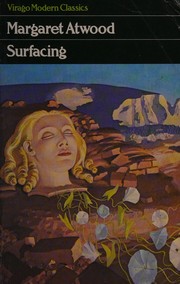
Surfacing is a novel by Canadian author Margaret Atwood. Published by McClelland and Stewart in 1972, it was her second novel. Surfacing has been described by commentators as a companion novel to Atwood's collection of poems, Power Politics, which was written the previous year and deals with complementary issues.
The novel, grappling with notions of national and gendered identity, anticipated rising concerns about conservation and preservation and the emergence of Canadian nationalism. It was adapted into a movie in 1981.
Plot
The book tells the story of a woman who returns to her hometown in Canada to find her missing father. Accompanied by her lover, Joe, and a married couple, Anna and David, the unnamed protagonist meets her past in her childhood house, recalling events and feelings, while trying to find clues to her father's mysterious disappearance. Little by little, the past overtakes her and drives her into the realm of wildness and madness.
Themes
Separation
Separation is a major theme of Surfacing. This is established in the first chapter, when the narrator is shown to be politically dispossessed as an English-speaker in Quebec, at a time in which Quebec was aspiring to become an independent French-speaking nation. The narrator also feels disconnected from the people around her, equating human interaction with that of animals. For example, while overhearing David and Anna have sex, the narrator thinks "of an animal at the moment the trap closes".
The mouthpiece for feelings of nationalism is extremist David, who claims Canada would be better without the "fascist pig Yanks" and suggests they be driven from the country by attack beavers.
Feminism
Feminism, a theme in many of Atwood's novels, is explored through the perspective of the female narrative, exposing the ways women are marginalized in their professional and private lives.
Allusions to other works
Surfacing echoes the structure of Jack Kerouac's On the Road, as the narrator travels by car back to her childhood home. The novel has also been compared to Sylvia Plath's The Bell Jar. Atwood's unnamed narrator and Plath's Esther Greenwood are both driven to psychological breakdowns due to their unwillingness to adhere to the social expectations imposed on women.
Reception and reviews
In her essay Margaret Atwood: Beyond Victimhood, Marge Piercy was skeptical of the narrator's abrupt declaration of love for Joe at the end of the novel, saying it did not stop the narrator from being a victim: by choosing a man who opts to be a loser, "how does she stop being a loser?"
以上文字摘自英文维基百科「Surfacing (novel)」(去掉了参考文献等尾部小节),按 CC BY-SA 4.0 使用,作者为维基百科的各位编者。
资料卡
- 原题
- Surfacing
- 原作语言
- 英语
- 首次出版
- 1972 年
- 作品形式
- 长篇小说
- 体裁
- 自传
- 前作
- 可食用的女人
- 续作
- Lady Oracle
- 主题
- 成年过程、文类
资料卡来自 Wikidata Q7646051(CC0),众包数据,个别字段可能不全。