书单
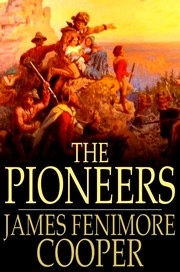
开拓者 (1823)
- 作者
- 詹姆斯·菲尼莫尔·库珀
- 首版
- 1823 年
- 国家/地区
- 美国
- Open Library
- 378 个版本
百科
这个词条暂时没有中文维基百科条目,下面是英文维基百科的内容(英文原文):
The Pioneers, or The Sources of the Susquehanna; a Descriptive Tale is an 1823 historical novel by American writer James Fenimore Cooper. It was the first of five novels published which became known as the Leatherstocking Tales. The Pioneers is the fourth novel in terms of the chronology of the novels' plots.
Plot summary
The story takes place on the rapidly advancing frontier of New York State and features an elderly Leatherstocking (Natty Bumppo), Judge Marmaduke Temple of Templeton (whose life parallels that of the author's father Judge William Cooper), and Elizabeth Temple (based on the author's sister, Hannah Cooper), daughter of the fictional Templeton. The story begins with an argument between the judge and Leatherstocking over who killed a buck.
Through their discussion, Cooper reviews many of the changes to New York's Lake Otsego and its area: questions of environmental stewardship, conservation, and use prevail. Leatherstocking and his closest friend, the Mohican Indian Chingachgook, begin to compete with the Temples for the loyalties of a mysterious young visitor, a "young hunter" known as Oliver Edwards. The latter eventually marries Elizabeth Temple. Chingachgook dies, representing European-American fears for the race of "dying Indians", who appear to be displaced by settlers. Natty vanishes into the sunset.
Analysis
The Pioneers was the first novel of James Fenimore Cooper's Leatherstocking Tales series, featuring the character Natty Bumppo, a resourceful white American living in the woods. The story focuses on the development of a "wilderness" area (as classified by European Americans) as a settled European-American community with refinements. The story takes place in the fictional town of Тempleton, which is said to be modeled after Cooperstown, New York, founded by Cooper's father after the Revolutionary War.
Naturalist ideas: Although not classified as a naturalist novel, Cooper depicts many naturalist based ideas in The Pioneers. His use of language, dialogue and description help to convey this movement within this novel.
Landscape: In The Pioneers, Cooper thematically debates the complexity of landscape within a new American frontier. The battle between nature and civilization is a constant and competing force within the minds of the characters and in the general surroundings. Cooper evaluates his landscape as one that will be established by a civilization unable to escape its own traits of wastefulness and arrogance.
Characters: Cooper expands the conflict between nature and civilization in his characters. Specifically, Cooper writes much more detailed dialogue for “Natty Bumpo” than he does for any of the other characters. Natty stresses the importance of respecting the land and criticizes the greed and selfishness of mankind. The “civil societal” characters are background to Natty's heroic natural character. He emerges as the antithesis to wastefulness as demonstrated and embodied in the settlers. Cooper's main theme is wilderness versus established society. While the settlers see wilderness as being tamed by their presence, Natty has a vision of civilized life coexisting with nature. Ideally, he wants to sustain the unique role that this vast unexplored wilderness contributes to the complexity of America.
“It is much better to kill only such you want, without wasting your powder and lead, then to be firing into God’s creatures in such a wicked manner.” (Natty to Judge Marmeduke) – Chapter XXII, The Slaughter of Pigeons
Description: Alternating between dialogues, Cooper writes extensive descriptive paragraphs to portray the natural wilderness. To him, the natural landscape exemplifies a peaceful wilderness. When the dialogue begins, it shows the disruption that civilization wreaks on the natural abundance of the wilderness. Cooper contrasts the giving, natural and serene wilderness versus the arrogant and greedy society.
Tone: Cooper's tone in The Pioneers is critical and mocking of traditional society, “established society”. The dialogue of the settlers displays the carelessness of their society towards the wilderness. The scene in Chapter II (The Judge's History of Settlement) is an exaggerated depiction of the reactions of the settlers to a falling tree and storm. The naivety of the settlers is portrayed in their responses to their journey into the wilderness. Cooper's mocking and critical tone is seen throughout the novel.
Characters
Nathaniel "Natty" Bumppo, aka the Leather-stocking, aka Hawk-eye. The hero, an old hunter and patriot, the protagonist of the novel. He is a friend to the Indians and distrustful of civilization. (chapter 1, page 22). He was "a melodious synopsis of man and nature in the West". He emerges as the antithesis to wastefulness demonstrated and embodied in the settlers. Natty represents the frontier in conflict with civilization and the law. In Chapter III, The Slaughter of Pigeons, his character is introduced as one who lived off the land. In contrast to settlers who hunt for sport and kill too many pigeons, he shoots the one needed for his meal.
以上文字摘自英文维基百科「The Pioneers (novel)」(有删节,去掉了参考文献等尾部小节),按 CC BY-SA 4.0 使用,作者为维基百科的各位编者。
资料卡
- 原题
- The Pioneers, or The Sources of the Susquehanna; a Descriptive Tale
- 原作语言
- 英语
- 首次出版
- 1823 年
- 作品形式
- 长篇小说
- 体裁
- 历史类虚构作品
- 首版出版社
- 查尔斯·威立
- 所属系列
- 皮袜子故事集
- 前作
- 探路者
- 续作
- 最后的摩根战士
- 故事发生地
- 纽约州
资料卡来自 Wikidata Q1898036(CC0),众包数据,个别字段可能不全。