 书单
百科
这个词条暂时没有中文维基百科条目,下面是英文维基百科的内容(英文原文):
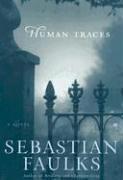
Human Traces is a 2005 novel by British writer Sebastian Faulks, best known for his novels Birdsong and Charlotte Gray. Human Traces took Faulks five years to write. It tells of two friends who set up a pioneering asylum in 19th-century Austria, in tandem with the evolution of psychiatry and the start of the First World War.
Plot overview
Tracing the intertwined lives of Doctors Thomas Midwinter, who is English, and Jacques Rebière, from Brittany, France, Human Traces explores the development of psychiatry and psychoanalysis in the late 19th century, by way of excursions into first alienism then metaphysics, human evolution and neuroscience, before the search for what it means to be human takes us into a brief foray into the First World War. Central to the plot is the theory of bicameral mentality.
Background
Faulks called the novel "a Sisyphean task", writing, "After spending five years in libraries reading up on madness, psychiatry and psychoanalysis (my office had charts and timelines and things plastered all over the walls), the act of finishing it felt like a bereavement.
Reception
Whilst some have criticised Human Traces as excessively expository, detailed and didactic, it has also been considered wide-ranging, ambitious and well written. It has enjoyed commercial success, having been a bestseller in the United Kingdom.
以上文字摘自英文维基百科「Human Traces」(去掉了参考文献等尾部小节),按 CC BY-SA 4.0 使用,作者为维基百科的各位编者。
资料卡
- 原作语言
- 英语
- 首次出版
- 2005 年
- 作品形式
- 长篇小说
- 续作
- Engleby
资料卡来自 Wikidata Q5937647(CC0),众包数据,个别字段可能不全。
