书单
百科
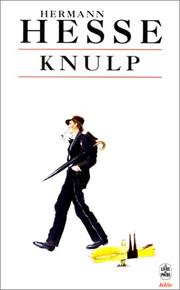
《漂泊的灵魂》(德语:Knulp)是赫尔曼·黑塞于1915年出版的小说,讲述了流浪者卡尔·埃伯哈德·克努尔普(Karl Eberhard Knulp)生活中的三个时刻。
故事由三部分组成。 第一章讲述了克努尔普在他的老朋友Émile Rothfuss 家中的康复过程。他向年轻的仆人芭芭拉·弗利克求爱,但最终缩短了与朋友的逗留时间,后者的妻子向他提出了越来越多的要求。 第二章讲述了克努尔普和一个未指明姓名的朋友一起度过的一天,他们在德国乡村游荡和开玩笑。晚上两人在谷仓里找了个庇护所,并决定到附近的啤酒厂吃饭。晚上的某个时候,克努尔普决定去睡觉,而叙述者(其朋友)则喝了许多酒。 第二天早上,叙述者醒来发现克努尔普什么也没说就走了。这个事实让叙述者非常难过,让他充满了疑问。最后一章是对克努尔普患肺结核的讲述,他和以前的同学Machold医生呆了几天,后者试图送他去医院。克努尔普拒绝了朋友的提议,并继续他的流浪生活数周。故事的最后,他清点了自己的一生,并在雪中入睡。
以上文字摘自维基百科「漂泊的靈魂」(去掉了参考文献等尾部小节),按 CC BY-SA 4.0 使用,作者为维基百科的各位编者。
中文维基百科的条目比较短,下面附上英文维基百科的内容(英文原文):
Knulp : Three Tales from the Life of Knulp (Knulp : Drei Geschichten aus dem Leben Knulps.) is a novella by Hermann Hesse, published in 1915 by S. Fischer Verlag. The three stories about a tramp, Knulp, which Hesse wrote between 1907 and 1914, are part of his "Gerbersau" tales.
Plot summary
Early Spring
During harsh weather in mid-February, Knulp is discharged from the hospital, but soon becomes sick again. He decides to go to the home of a tanner named Emil Rothfuss, in the town of Lächstetten. Years ago, Knulp had traveled with the tanner, and now requests an empty bed. He avoids promising the length of his stay, as it is very important for him to be able to spend the following days at his leisure. He also asks the tanner to write an entry into his journeyman's log. The previous log entries are made up by Knulp such that they describe his past as being very industrious.
After a day of resting in bed, he sneaks out of the house and wanders around the city in the evening. He has conversations with some of the people he meets. The next day he also gets to know Bärbele by chatting window to window with her. She is a young girl from the Black Forest who only started working in Lächstetten a week ago. Knulp gains her trust through his skillful whistling.
The next morning, he explores the town at length. He refreshes old, loose acquaintances and seeks out conversations with the craftsmen everywhere. As he knows a little about all the trades and is familiar with their jargon and manners, he is always happy to be mistaken for one of them. An old acquaintance of Knulp, Schlotterbeck, a tailor with many children who has also settled in Lächstetten envies Knulp because he is so carefree. Knulp advises the tailor that he should be happy to have these children and tells him that he himself has a two-year-old son, but that he was adopted by strangers after his mother's death because his paternity was concealed. Knulp, therefore can not have contact with his son and can only watch him from afar on occasion. As he continues to walk through the town he learns about the local news and then tells the news about other places. He rejoices in the loose bond that connects him as an old acquaintance with the life of the sedentary people. He also finds out where the dancing will take place that evening and, with a lot of persuasion, manages to invite Bärbele. This is far more interesting to him than the intrusions of the life-hungry tanner's wife, from whom he manages to escape. He also turns down an invitation from the Rothfuß couple, who want to spend the evening with Knulp, with a cheap excuse. Instead, he goes to the dance floor with Bärbele in the mild evening. Knulp and Bärbele dance together. He follows her almost to her door. They kiss each other goodbye. That evening, Bärbele realizes that Knulp is poor. She gives him a coin from her small purse. Knulp senses spring and has to wander. The topology of the landscape around Lächstetten, including all the accommodation options etc., is reliably stored in the tramp's intact memory, which he had already trained at Latin school as a child.
My Memory of Knulp
The narrator is on the move with Knulp in the hot summer. In a farming village, Knulp amuses a few young girls with his antics and tricks. The narrator holds back. The two itinerant boys climb over the cemetery wall. Knulp breaks off a cemetery flower and puts it on his hat. Knulp philosophizes in the grass. The beautiful is always ephemeral. Before they spend the night outdoors, Knulp shares one of his dreams. It is about the unattainability of what was once familiar. He left his parents and his childhood sweetheart. Unfortunately, there is nothing he can do about it. He reflects on the diversity of souls. What he considers the most important thing about himself, perhaps his soul, his parents find secondary. Children can inherit many qualities from their parents, but not their soul. Everyone has their own.
以上文字摘自英文维基百科「Knulp」(有删节,去掉了参考文献等尾部小节),按 CC BY-SA 4.0 使用,作者为维基百科的各位编者。
资料卡
- 原题
- Knulp
- 译者
- 拉尔夫·曼海姆
- 原作语言
- 德语
- 首次出版
- 1915 年
- 首版出版社
- S·菲舍尔出版社
- 前作
- 艺术家的命运
- 续作
- 德米安
- 故事发生地
- 德国
资料卡来自 Wikidata Q577787(CC0),众包数据,个别字段可能不全。