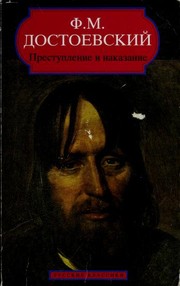
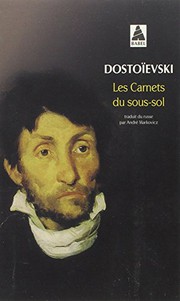
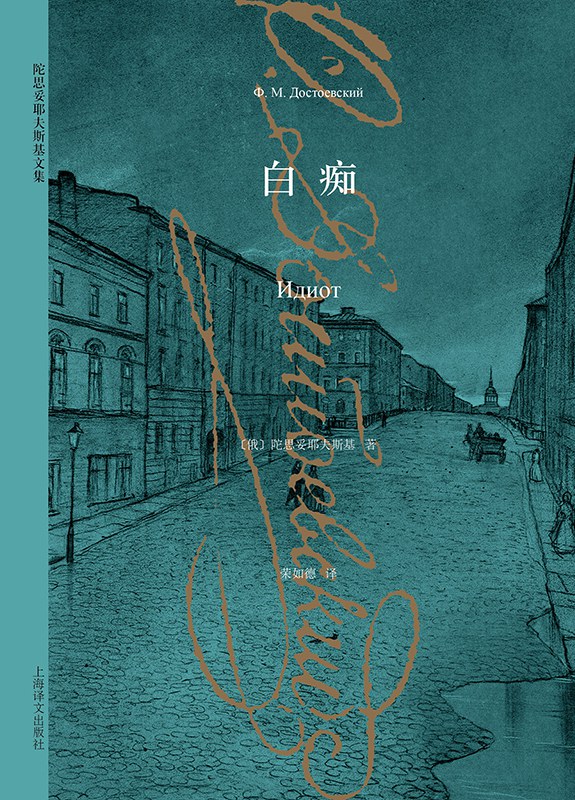
书单
百科
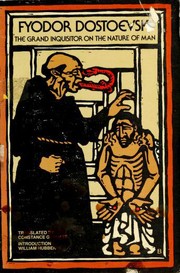
《宗教大法官》是杜思妥也夫斯基所著的《卡拉马佐夫兄弟》这本小说里的角色二哥无神论者伊凡所写的一出戏剧,出现在本书的第5卷第5章—宗教大法官。
故事大要
这个故事的背景设在16世纪西班牙的塞维尔,当时正是宗教审判最盛行的时代,耶稣基督突然出现在人间,行当年祂在世时所行的的种种神迹。而当时的宗教大法官,年近九十的枢机主教,却下令将祂逮捕。
主教明知祂就是耶稣降世,却对祂说:“你就是耶稣吗?最好保持沉默,不要说什么话。因为你不适合发表什么言论。而我对你已经了解的够多了。你除了在以前说了许多话外,并未拥有充分的权利。知道为什么吗,因为你打扰了我们。”
接着就是主教对圣经中耶稣事迹的解释:主教认为当初耶稣在旷野拒绝了魔鬼的诱惑是因为不愿人们是因为见到奇迹而信仰。但主教认为耶稣把人类看的太高了。绝大部分的人是宁可有幸福的保证而不要自由的信仰,而他们(教会)满足了人们的这项需求,所以他们才是真正怜悯人类的。
全剧中耶稣不发一语,均由主教一人独白。
以上文字摘自维基百科「宗教大法官」(去掉了参考文献等尾部小节),按 CC BY-SA 4.0 使用,作者为维基百科的各位编者。
中文维基百科的条目比较短,下面附上英文维基百科的内容(英文原文):
"The Grand Inquisitor" (Russian: Великий инквизитор) is a story within a story (called a poem by its fictional author) contained within Fyodor Dostoevsky's 1880 novel The Brothers Karamazov. It is recited by Ivan Fyodorovich Karamazov, during a conversation with his brother Alexei, a novice monk, about the possibility of a personal and benevolent God. "The Grand Inquisitor" is an important part of the novel and one of the best-known passages in modern literature because of its ideas about human nature and freedom.
In a long diatribe directed at Jesus himself, who has returned to Earth in Seville at the height of the Inquisition, the Grand Inquisitor defends the following ideas: only the principles of the Devil can lead to mankind's unification; give man bread, control his conscience, and rule the world; Jesus limited himself to a small group of chosen ones, while the Catholic Church improved on his work and addresses all people; the Church rules the world in the name of God, but with the Devil's principles; Jesus was mistaken in holding man in high esteem. Jesus remains silent throughout the Inquisitor's speech.
Scholars cite Friedrich Schiller's play Don Carlos (1787) as a major inspiration for Dostoevsky's "The Grand Inquisitor", while also noting that "The sources of the legend are extraordinarily varied and complex."
Synopsis
The tale is told by Ivan with brief interruptive questions by Alyosha. In the tale, Christ returns to Earth in Seville at the time of the Inquisition. He performs a number of miracles (echoing miracles from the Gospels). The people recognize him and adore him at the Seville Cathedral, but He is arrested by Inquisition leaders and sentenced to be burnt to death the next day. The Grand Inquisitor visits him in his cell to tell him that the Church no longer needs him. The main portion of the text is devoted to the Inquisitor explaining to Jesus why his return would interfere with the mission of the Church.
The Inquisitor founds his denunciation of Jesus on the three questions that Satan asked Jesus during the temptation of Christ in the desert. These three are the temptation to turn stones into bread, the temptation to cast himself from the Temple and be saved by the angels, and the temptation to rule over all the kingdoms of the world. The Inquisitor states that Jesus rejected these three temptations in favor of freedom, but the Inquisitor thinks that Jesus has misjudged human nature. He does not believe that the vast majority of humanity can tolerate the freedom that Jesus has given to them. The Inquisitor thus implies that Jesus, in giving humans freedom to choose, has excluded the majority of humanity from redemption and doomed it to suffer.
Despite declaring the Inquisitor to be a nonbeliever, Ivan also has the Inquisitor saying that the Catholic Church follows "the wise spirit, the dread spirit of death and destruction" – meaning the Devil. He says: "We are not with Thee, but with him, and that is our secret! For centuries have we abandoned Thee to follow him." For the Inquisitor, it is the Devil who provided the tools to end human suffering and unite humanity under the banner of the Church. With the Church thus correctly organized, the multitude is guided by the few who are strong enough to take on the burden of freedom. The Inquisitor says that under him, all mankind will live and die happily in ignorance. Though he leads them only to "death and destruction", they will be happy along the way, for he and his representatives in the Church will relieve them of the terrible burden of freedom of conscience: "The most agonizing secrets of their consciences – all, all will they bring to us, and we shall resolve it all, and they will attend our decision with joy, because it will deliver them from the great anxiety and fearsome torments of free and individual decision."
以上文字摘自英文维基百科「The Grand Inquisitor」(有删节,去掉了参考文献等尾部小节),按 CC BY-SA 4.0 使用,作者为维基百科的各位编者。
资料卡
- 原题
- Великій инквизитор
- 原作语言
- 俄语
资料卡来自 Wikidata Q1113102(CC0),众包数据,个别字段可能不全。