 书单
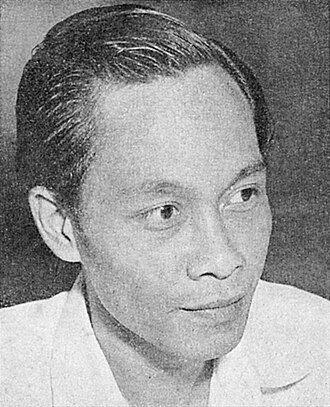
普拉姆迪亚·阿南达·杜尔
- 生卒
- 1925 – 2006
- 国籍
- 印度尼西亚
- 外文名
- Pramoedya Ananta Toer
照片:Ministry of Education (Kempen),公有领域,来自维基共享资源「Pramudya Ananta Tur Kesusastraan Modern Indonesia p226.jpg」(经缩小)。
生平与创作
普拉姆迪亚·阿南达·杜尔(爪哇语:Pramoedya Ananta Toer,1925年2月6日—2006年4月30日),印尼著名作家,创作生涯横跨荷属东印度、二战被日本占领、独立后的苏卡诺与苏哈托时期。
生于中爪哇省布洛亚,其作品忠实反映社会状况和历史,令荷兰殖民者、苏卡诺政府与苏哈托政府很头痛。他曾两度下狱:1947-1949年被荷兰殖民当局囚禁,他在狱中撰写了早期代表作《逃犯》;1965年九三〇事件后,又因和印度尼西亚共产党有关而被流放到布鲁岛囚禁14年,1979年获释后又在家中被软禁到1992年。他在这期间完成了印度尼西亚文学史上的大河小说名作《布鲁岛四部曲》。
普拉姆迪亚于1995年获得麦格塞塞奖,2000年获得福冈亚洲文化大奖,他曾数次被提名为诺贝尔文学奖候选人,但最终未能获奖。
主要作品
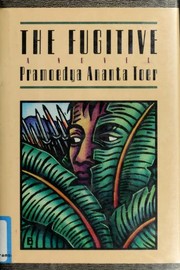
《逃犯》(1950)
《游击队之家》(1950)
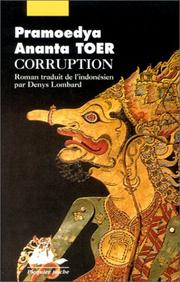
《腐败》(1954)
《印度尼西亚华人》(1960)
布鲁岛四部曲
《人间世》(1980)
《万国之子》(1980)
《足迹》(1985)
《玻璃屋》(1988)
以上文字摘自维基百科「普拉姆迪亞·阿南達·杜爾」(去掉了参考文献等尾部小节),按 CC BY-SA 4.0 使用,作者为维基百科的各位编者。
中文维基百科的条目比较短,下面附上英文维基百科的内容(英文原文):
Pramoedya Ananta Toer (EYD: Pramudya Ananta Tur; 6 February 1925 – 30 April 2006), also nicknamed Pram, was an Indonesian novelist and writer. His works span the colonial period under Dutch rule, Indonesia's struggle for independence, its occupation by Japan during World War II, as well as the post-colonial authoritarian regimes of Sukarno and Suharto, and are infused with personal and national history.
Pramoedya's writings sometimes fell out of favour with the colonial and later the authoritarian native governments in power. He faced censorship in Indonesia during the pre-Reformasi era even though he was well-known outside Indonesia. Dutch authorities imprisoned him from 1947 to 1949 during the War of Independence. During the transition to the Suharto regime, he was caught up in the shifting tides of political change and power struggles. Suharto had him imprisoned from 1969 to 1979 on the Maluku island of Buru and branded him a Communist. He was seen as a holdover from the previous regime, despite having struggled with it. It was on the Island of Buru that he composed his most famous work, the Buru Quartet. Not permitted access to writing materials, he recited the story orally to other prisoners before it was written down and smuggled out.
Pramoedya opposed some policies of founding President Sukarno as well as the New Order regime of Suharto, Sukarno's successor. Political criticisms were often subtle in his writing, although he was outspoken against colonialism, racism, and corruption of the new Indonesian government. During the many years in which he suffered imprisonment and house arrest (in Jakarta after his imprisonment in Buru), he became a cause célèbre for advocates of human rights and freedom of expression. He was nominated for the Nobel Prize in Literature eight times.
Early years
Pramoedya was born on 6 February 1925, in the town of Blora in the heartland of Java, then a part of the Dutch East Indies. He was the firstborn son in his family; his father was a teacher, who was also active in Boedi Oetomo (the first recognized indigenous national organization in Indonesia) and his mother was a rice trader. His maternal grandfather had taken the pilgrimage to Mecca. As it is written in his semi-autobiographical collection of short stories "Cerita Dari Blora", his name was originally Pramoedya Ananta Mastoer. However, he felt that the family name Mastoer (his father's name) seemed too aristocratic. The Javanese prefix "Mas" refers to a man of a higher rank in a noble family. Consequently, he omitted "Mas" and kept Toer as his family name. He went on to the Radio Vocational School in Surabaya but had barely graduated from the school when Japan invaded Surabaya (1942).
During World War II, Pramoedya (like many Indonesian Nationalists, Sukarno and Suharto among them) at first supported the occupying forces of Imperial Japan. He believed the Japanese to be the lesser of two evils, compared to the Dutch. He worked as a typist for a Japanese newspaper in Jakarta. As the war went on, however, Indonesians were dismayed by the austerity of wartime rationing and by increasingly harsh measures taken by the Japanese military. The Nationalist forces loyal to Sukarno switched their support to the incoming Allies against Japan; all indications are that Pramoedya did as well.
以上文字摘自英文维基百科「Pramoedya Ananta Toer」(有删节,去掉了参考文献等尾部小节),按 CC BY-SA 4.0 使用,作者为维基百科的各位编者。
资料卡
- 母语名
- Pramoedya Ananta Toer
- 出生
- 1925 年 2 月 6 日
- 出生地
- 布洛拉县
- 逝世
- 2006 年 4 月 29 日
- 逝世地
- 雅加达
- 职业
- 小说家、作家、散文家
- 使用语言
- 印尼语
- 代表作
- Buru Quartet
- 获奖
- 拉蒙·麦格塞塞奖(1995)、芭芭拉·戈德史密斯钢笔写作自由奖(1988)、福冈亚洲文化奖(2000)
资料卡来自 Wikidata Q326935(CC0),众包数据,个别字段可能不全。
本站收录的作品(9)

作品年表(21 本)
本站书库里署名普拉姆迪亚·阿南达·杜尔的书(Open Library 上至少 10 人加过书架的才收),按首版年份排(有本站书页的用 Wikidata 记的首版年,其余用 Open Library 的);年份偶尔记成后来的版本或译本,以原书为准。全部作品见 Open Library。
- 1949Cerpen-cerpen书架 19
- 1950逃犯Perburuan书架 48
- 1950Keluarga Gerilja书架 13
- 1952Cerita dari Blora书架 26
- 1962Gadis Pantai书架 27
- 1962Di tepi Kali Bekasi书架 22
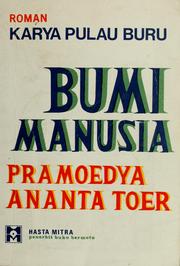
- 1980人世间Bumi Manusia书架 1,366
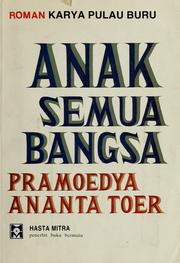
- 1980Anak Semua Bangsa书架 253
- 1981Arus balik书架 23
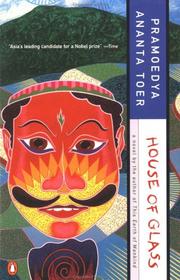
- 1988Rumah Kaca书架 89
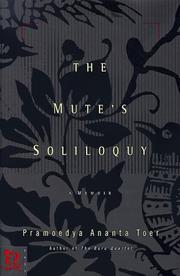
- 1988Nyanyi Sunyi Seorang Bisu书架 43
- 1997Panggil aku Kartini saja, Jepara, 25 Mei 1899书架 27
- 2002Korupsi书架 14
- 2004Sekali peristiwa di Banten Selatan书架 10
- 年份不详Jejak langkah书架 66
- 年份不详Perawan remaja dalam cengkeraman militer书架 27
- 年份不详Corruption书架 13
- 年份不详Jalan Raya Pos, Jalan Daendels书架 12
- 年份不详Sang pemula disertai karya-karya non-fiksi (jurnalistik) dan fiksi (cerpen/novel) R.M. Tirto Adhi Soerjo书架 12
- 年份不详The girl from the coast书架 11
- 年份不详Keluarga gerilya书架 10