 书单
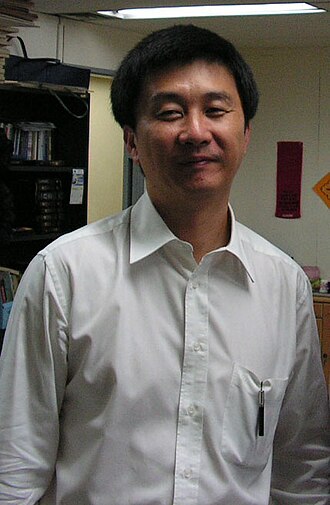
姜哲焕
- 生卒
- 1968 –
- 国籍
- 朝鲜民主主义人民共和国、大韩民国
- 外文名
- Kang Chol-hwan
照片:Elmor,CC BY-SA 3.0,来自维基共享资源「Kang Chol-hwan.jpg」(经缩小)。
生平与创作
姜哲焕(韩语:강철환,1968年—),朝鲜出逃者。年少时曾被朝鲜当局关押于耀德集中营达10年,在获释后前往中国,并辗转飞往韩国。他曾与法国作家李古乐合撰《平壤水族馆》一书。姜现时为韩国《朝鲜日报》记者。
生平
姜的家族原为日本京都市的一个富裕的在日朝鲜人家庭。祖父母皆来自济州岛(今大韩民国济州特别自治道),在1960年代因支持共产主义且受到朝鲜政府的感召而决定举家迁回朝鲜,姜哲焕于平壤出生,且童年在平壤度过。
在1977年的7月,姜的祖父被指干犯“叛国”罪而被朝鲜当局送进以残酷著称的耀德集中营,而家庭其他成员(母亲是烈士之女而幸免)也给株连,当时仅9岁的他连同7岁的妹妹美湖也被送进耀德营房。
在集中营中的生活是残酷的,人人均受到饥饿致死等威胁,营内的虐打及其他惩罚也是家常便饭。姜在营中受到的“教育”包括背诵金日成及金正日曾发表的讲话,至13岁被转往强制执行危险工作,及观看处决死囚的过程。10年后的1987年2月,姜及其家人陆续获释,而当时姜的祖父已经去世。
姜在获释后数年均在北朝鲜度过,当时他持有未经朝鲜当局认可的收音机,以收听韩国的电台广播。当他知道自己正被朝鲜当局调查的事后,便与前耀德集中营管理员安赫渡过鸭绿江前往中国,然后飞往韩国。
在《平壤水族馆》一书出版后,姜与美国总统乔治布什及英国外交大臣施仲宏会面,以及向多个组织讲解有关朝鲜人权的问题。自姜逃出朝鲜以来,他从未与家人有任何联络。
相关书籍
姜哲焕. 平壤水族馆. Basic Books. 2001年. ISBN 978-0-465-01102-5.
"Give Us An 'Eclipse Policy'", 华尔街日报, 2005年7月13日
以上文字摘自维基百科「姜哲煥」(去掉了参考文献等尾部小节),按 CC BY-SA 4.0 使用,作者为维基百科的各位编者。
中文维基百科的条目比较短,下面附上英文维基百科的内容(英文原文):
Kang Chol-hwan (Korean: 강철환; pronounced [ka̠ŋ tɕʰʌ̹l.βʷa̠n]; born 18 September 1968) is a North Korean defector, author, and the founder and president of the North Korea Strategy Center.
As a child, he was imprisoned in the Yodok concentration camp for 10 years. After his release he fled the country, first to China and eventually to South Korea. He is the author, with Pierre Rigoulot, of The Aquariums of Pyongyang and worked as a staff writer specialized in North Korean affairs for The Chosun Ilbo.
Early life
Kang was born in Pyongyang, North Korea, and spent his childhood there. He had a good relationship with his grandfather. He had a happy childhood. His family lived in relative luxury from his grandfather's position and the fortune that he had given to the country upon the family's return from Japan. Though they had never renounced their North Korean citizenship and Kang's grandmother had been a staunch party member in both countries, Kang has stated that the family remained under a cloud of suspicion for having lived in Japan.
Concentration camp
In 1977, when Kang was seven years old, he was sent to a prison camp along with his family for 10 years after his grandfather was purged. Only Kang's mother, the daughter of a successful North Korean spy, was spared. Kang stated that he believes his grandfather was purged either because he opposed Han Duk-su, the leader of the Chongryon, while living in Japan, or because he was implicated in opposition to Kim Jong-il being designated as the official successor to the leadership of North Korea.
Kang's autobiography describes a brutal life in a North Korean prison. Death from starvation or exposure to the elements was common, with routine beatings and other punishments. His education consisted almost solely of memorizing the sayings and speeches of Kim Il Sung; at 15, his education ceased and he was assigned to exhausting and dangerous work details, and was made to view public executions. He said of the camps, "It was a life of hard labour, thirty percent of new prisoners would die. And we were so malnourished, we would eat rats and earthworms to survive."
Kang was released due to an order by Kim Jong-Il that those in the prison with relatives in Japan had to be released after 10 years. In the mid-1980s North Korea depended heavily on foreign currency remittances, with many Zainichi Koreans sending remittances to North Korea. They opposed the imprisonment of their relatives in North Korea, causing the amount of remittances being sent from Japan to North Korea to drop due to the wave of mass imprisonment. As such Kang was released from the prison camp after 10 years. Upon his release, he was sent to live in Yodok village. He could not go all the way back to Pyongyang, but he moved to Pyongsong, near Pyongyang. He moved in with his uncle who was working at the National Science Research Institute in the city.
Escape
In 1992, Kang and An Hyuk escaped from North Korea by crossing the Yalu River into China. In late 1992, Kang arrived in South Korea and moved to the capital Seoul.
After publishing The Aquariums of Pyongyang, Kang met with US President George W. Bush and British Foreign Secretary Jack Straw. He has spoken with several organizations about human rights in North Korea and visited Japan for a discussion about abductees. Along with An and Lee Soon-ok, who was imprisoned in Kaechon concentration camp, he received the Democracy Award from the United States' National Endowment for Democracy in July 2003.
Kang has not been in contact with his family since he defected. In 2011, it was assumed that his sister, Mi-ho, and her 11-year-old son were in Yodok concentration camp, having been sent back there as retaliation for Kang's defection.
以上文字摘自英文维基百科「Kang Chol-hwan」(去掉了参考文献等尾部小节),按 CC BY-SA 4.0 使用,作者为维基百科的各位编者。
资料卡
- 母语名
- 강철환
- 出生
- 1968 年 9 月 18 日
- 出生地
- 平壤
- 职业
- 新闻工作者、人权活动家、作家
- 使用语言
- 朝鲜语
- 就读学校
- 汉阳大学
资料卡来自 Wikidata Q483097(CC0),众包数据,个别字段可能不全。
本站收录的作品(1)
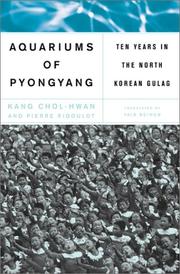
作品年表(1 本)
本站书库里署名姜哲焕的书(Open Library 上至少 10 人加过书架的才收),按首版年份排(有本站书页的用 Wikidata 记的首版年,其余用 Open Library 的);年份偶尔记成后来的版本或译本,以原书为准。全部作品见 Open Library。
- 2000平壤水族馆The aquariums of Pyongyang : ten years in a North Korean gulag书架 12