 书单
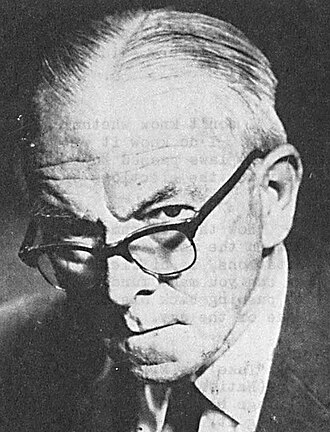
艾伦·帕顿
- 生卒
- 1903 – 1988
- 国籍
- 南非
- 外文名
- Alan Paton
照片:Crown Studios The original uploader was Perijove at Swahili Wikipedia.,公有领域,来自维基共享资源「Alan Paton.jpg」(经缩小)。
生平与创作
艾伦·斯图尔特·佩顿(1903年1月11日-1988年4月12日)是一位南非作家和反种族隔离活动家。他是《哭吧,亲爱的祖国》的作者。1953年5月9日,南非自由党成立,艾伦·佩顿是该党创始成员,后来担任该党主席。
以上文字摘自维基百科「艾伦·佩顿」(去掉了参考文献等尾部小节),按 CC BY-SA 4.0 使用,作者为维基百科的各位编者。
中文维基百科的条目比较短,下面附上英文维基百科的内容(英文原文):
Alan Stewart Paton (11 January 1903 – 12 April 1988) was a South African writer, anti-apartheid activist, and educator. His works include the novels Cry, the Beloved Country (1948), Too Late the Phalarope (1953), and the short story The Waste Land. He was posthumously awarded the Order of Ikhamanga in Gold for his literary contributions to the anti-apartheid movement.
Early life
Paton was born in Pietermaritzburg in the Colony of Natal (now South Africa's KwaZulu-Natal province). He was the son of James Paton, a civil servant and Scottish immigrant, and Eunice Warder Paton (née James), a schoolteacher of English descent. Both of his parents were deeply religious, raising him in the Christadelphian faith, and neither was highly educated. Paton's father was a strict disciplinarian whose beatings instilled in him a lasting opposition to corporal punishment, but who also introduced him to literature and inspired him to love nature. He was closer to his mother, who was well known for her integrity and faith. She had a strong influence over Paton's values as a child, particularly through the development of his compassion for others and his desire to promote social justice.
After attending Maritzburg College for high school, Paton earned a Bachelor of Science degree at the University of Natal in his hometown. He also got a diploma in education. After graduation, Paton worked as a teacher, first at the Ixopo High School, and subsequently at Maritzburg College.
Early career
Paton served as the principal of Diepkloof Reformatory for young (native African) offenders from 1935 to 1949. A year before he started as principal, the South African parliament transferred reformatory institutions for juveniles from the Department of Prisons to the Union Education Department, opening up principal positions at several reformatories. Paton expressed interest in a principal position to his close friend Jan Hendrik Hofmeyr (1894–1948), a politician, who advised Paton to apply to them. Ultimately, Paton was appointed to principal at Diepkloof at the age of 32 on July 1, 1935. His main task, as expressed by Hofmeyer, was the transform Diepkloof from a prison to a school.
He introduced controversial progressive reforms, including policies on open dormitories, work permits, and home visitation. The young men were initially housed in closed dormitories; once they had proven themselves trustworthy, they would be transferred to open dormitories within the compound. Men who showed great trustworthiness would be permitted to work outside the compound. In some cases, men were permitted to reside outside the compound under the supervision of a care family. Fewer than 5% of the 10,000 men who were given home leave during Paton's years at Diepkloof ever broke their trust by failing to return.
Later career
Paton volunteered for military service with the British Commonwealth forces during World War II, but was refused by the South African authorities. After the war he took a journey, at his own expense, to tour correctional facilities across the world. He toured Scandinavia, Britain, continental Europe, Canada, and the United States. During his time in Norway, he began work on his seminal novel Cry, the Beloved Country, which he completed over the course of his journey, finishing it on Christmas Eve in San Francisco in 1946. There, he met Aubrey and Marigold Burns, who read his manuscript and found a publisher: the editor Maxwell Perkins, noted for editing novels of Ernest Hemingway and Thomas Wolfe, guided Paton's first novel through publication with Scribner's.
In 1953, Paton published the novel Too Late the Phalarope.
On 11 January 2018, a Google Doodle honored the author on what would have been his 115th birthday.
以上文字摘自英文维基百科「Alan Paton」(有删节,去掉了参考文献等尾部小节),按 CC BY-SA 4.0 使用,作者为维基百科的各位编者。
资料卡
- 母语名
- Alan Paton
- 出生
- 1903 年 1 月 11 日
- 出生地
- 彼得马里茨堡
- 逝世
- 1988 年 4 月 12 日
- 逝世地
- 德班
- 职业
- 作家、自传作者、编剧、政治人物、教师
- 使用语言
- 英语
- 写作语言
- 英语
- 就读学校
- 纳塔尔大学
- 创作体裁
- 中篇小说
- 代表作
- 哭吧,我心爱的祖国
- 获奖
- 安斯非德-禾夫图书奖(1949);另有 1 项只有外文名
资料卡来自 Wikidata Q361623(CC0),众包数据,个别字段可能不全。
本站收录的作品(1)
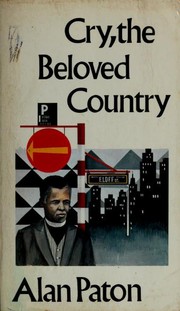
作品年表(2 本)
本站书库里署名艾伦·帕顿的书(Open Library 上至少 10 人加过书架的才收),按首版年份排(有本站书页的用 Wikidata 记的首版年,其余用 Open Library 的);年份偶尔记成后来的版本或译本,以原书为准。全部作品见 Open Library。
- 1948哭吧,我心爱的祖国Cry, the Beloved Country书架 302
- 2003Cry, the Beloved Country书架 16