 书单
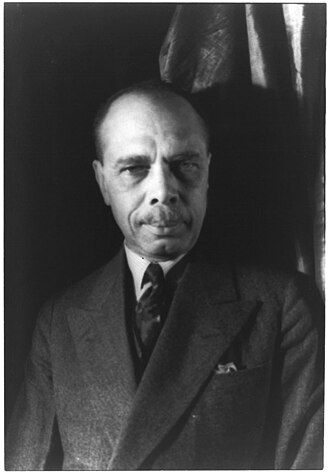
詹姆斯·韦尔登·约翰逊
- 生卒
- 1871 – 1938
- 国籍
- 美国
- 外文名
- James Weldon Johnson
照片:The Library of Congress from Washington, DC, United States,无已知版权限制,来自维基共享资源「(Portrait of James Weldon Johnson) (LOC) - Flickr - The Library of Congress.jpg」(经缩小)。
生平与创作
詹姆斯·韦尔登·约翰逊(James Weldon Johnson 1871年6月17日—1938年6月26日)是一名美国作家、民权运动家,美国全国有色人种协进会领袖、哈莱姆文艺复兴重要成员。1934年,他成为纽约大学的第一位非洲裔美国人教授,后来也曾在费斯克大学执教。
以上文字摘自维基百科「詹姆斯·韦尔登·约翰逊」(去掉了参考文献等尾部小节),按 CC BY-SA 4.0 使用,作者为维基百科的各位编者。
中文维基百科的条目比较短,下面附上英文维基百科的内容(英文原文):
James Weldon Johnson (June 17, 1871 – June 26, 1938) was an African American author, politician, diplomat, critic, journalist, poet, anthologist, educator, lawyer, songwriter and early civil rights activist. He was married to civil rights activist Grace Nail Johnson.
Johnson was a leader of the National Association for the Advancement of Colored People (NAACP), where he started working in 1917. In 1920, he was chosen as executive secretary of the organization, effectively the operating officer. He served in that position from 1920 to 1930.
Johnson established his reputation as a writer through his poems and anthologies of the poetry and spirituals of Black culture. He wrote the lyrics for "Lift Every Voice and Sing", which later became known as the Black National Anthem, the music being written by his younger brother, composer J. Rosamond Johnson.
In 1934, he was the first African American professor to be hired at New York University. Later in life, he was a professor of creative literature and writing at Fisk University, a historically Black university. In recognition of his scholarship and impact, New York University established the James Weldon Johnson Professorship in 2020.
Early life and education
Johnson was born in 1871 in Jacksonville, Florida, the son of James Johnson, a biracial preacher and headwaiter at the St. James Hotel, a luxury establishment built when Jacksonville was one of Florida's first winter resort destinations, and Helen Louise Dillet, a musician and the first African American female teacher in Florida.
Johnson's father was born in Richmond, Virginia in 1829 and his mother was an emigre from the Bahamas. His maternal great-grandmother, Hester Argo, had escaped from Saint-Domingue (today Haiti) during the revolutionary upheaval in 1802, along with her three young children, including James' grandfather Stephen Dillet (1797–1880). Although originally headed to Cuba, their boat was intercepted by privateers and they were taken to Nassau, where they settled permanently. In 1833, Stephen Dillet became the first man of color to win election to the Bahamian legislature.
The achievements of his father inspired young James to pursue a professional career. James and his brother John Rosamond Johnson were first educated by their mother before attending Edwin Stanton School, where their mother taught. She encouraged both her children to study English literature and the European musical tradition.
After completing the eighth grade at the Stanton School he entered the preparatory school and later the college division of Atlanta University (now, Clark Atlanta University), the first historically Black university ("HBCU") to confer graduate degrees to African Americans. Molded by the classical education for which Atlanta University was known, Johnson regarded his academic training as a trust and knew he was expected to devote himself to helping Black people advance. While attending Atlanta University, Johnson became known as an influential campus speaker, winning the Quiz Club Contest in English Composition and Oratory in 1892.
In the summer of 1891, following his freshman year at Atlanta University, Johnson went to a rural district in Georgia to teach the descendants of former slaves. "In all of my experience there has been no period so brief that has meant so much in my education for life as the three months I spent in the backwoods of Georgia," Johnson wrote. "I was thrown for the first time on my own resources and abilities."
Johnson graduated from Atlanta University with a Bachelor's degree, with honors, in 1894. After graduation, Johnson returned to Jacksonville, where he became Principal of the Stanton School. Paid less than half what white colleagues earned in separate white schools, Johnson added the ninth and tenth grades to the school to extend the years of schooling. He later resigned from this job to pursue other goals.
以上文字摘自英文维基百科「James Weldon Johnson」(有删节,去掉了参考文献等尾部小节),按 CC BY-SA 4.0 使用,作者为维基百科的各位编者。
资料卡
- 出生
- 1871 年 6 月 17 日
- 出生地
- 杰克逊维尔
- 逝世
- 1938 年 6 月 26 日
- 逝世地
- 威斯卡西特
- 职业
- 作家、诗人、小说家、词曲作家、作曲家、外交官、律师、政治人物 等 10 项
- 使用语言
- 英语
- 写作语言
- 英语
- 就读学校
- 哥伦比亚大学、费斯克大学、亚特兰大大学、Stanton College Preparatory School
- 文学运动 / 流派
- 哈莱姆文艺复兴
- 所属团体
- 美国全国有色人种协进会(1920)
- 配偶
- Grace Nail Johnson(1910)
- 代表作
- The Autobiography of an Ex-Colored Man
- 获奖
- 斯冰格奖章(1925);另有 2 项只有外文名
资料卡来自 Wikidata Q478450(CC0),众包数据,个别字段可能不全。
本站收录的作品(2)
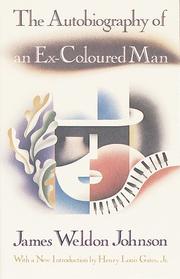
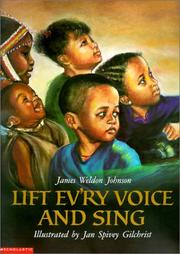
作品年表(4 本)
本站书库里署名詹姆斯·韦尔登·约翰逊的书(Open Library 上至少 10 人加过书架的才收),按首版年份排(有本站书页的用 Wikidata 记的首版年,其余用 Open Library 的);年份偶尔记成后来的版本或译本,以原书为准。全部作品见 Open Library。
- 1900Autobiography of an Ex-Colored Man书架 26
- 1922The Book of American Negro Poetry书架 11
- 1933Along this way书架 17
- 1970Lift Ev'ry Voice and Sing书架 10