 书单
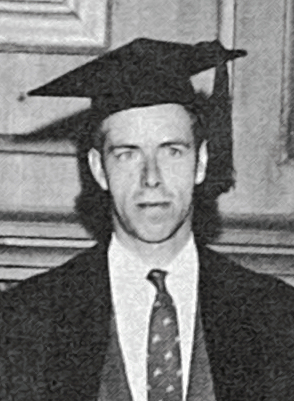
阿伦·沃茨
- 生卒
- 1915 – 1973
- 国籍
- 英国、美国
- 外文名
- Alan Watts
照片:The University of Vermont Alumni Magazine vol. 39 no. 01, p. 22.,公有领域,来自维基共享资源「Alan Watts UVM 15 June 1958 Hon. D.D (cropped).jpg」(经缩小)。
生平与创作
艾伦·威尔逊·瓦茨(英语:Alan Wilson Watts,1915年1月6日—1973年11月16日)英国作家、演讲者,自称“哲学娱乐家”。他因解释和普及日本、中国和印度的佛教、道教和印度教哲学传统而为西方观众所熟知。他出生于英国奇斯尔赫斯特,并于1938年移居美国,在纽约开始了禅修训练。他获得了Seabury-Western神学院的神学硕士学位,并于1945年成为圣公会牧师。1950年他离开了教职,并搬到了加利福尼亚州,在美国亚洲学院任教。
以上文字摘自维基百科「艾倫·威爾遜·瓦茨」(去掉了参考文献等尾部小节),按 CC BY-SA 4.0 使用,作者为维基百科的各位编者。
中文维基百科的条目比较短,下面附上英文维基百科的内容(英文原文):
Alan Wilson Watts (6 January 1915 – 16 November 1973) was a British and American writer, speaker, and "philosophical entertainer", known for interpreting and popularising Buddhist, Taoist, and Hindu philosophy for a Western audience.
Watts gained a following while working as a volunteer programmer at the KPFA radio station in Berkeley, California. He wrote more than 25 books and articles on religion and philosophy, introducing the Beat Generation and the emerging counterculture to The Way of Zen (1957), one of the first best-selling books on Buddhism. In Psychotherapy East and West (1961), he argued that psychotherapy could become the West's way of liberation if it discarded dualism. He considered Nature, Man and Woman (1958) to be his best work. He also explored human consciousness and psychedelics in works such as The New Alchemy (1958) and The Joyous Cosmology (1962).
After his death, his lectures remained popular with regular broadcasts on public radio, especially in California and New York, and found new audiences with the rise of the internet.
Early years
Watts was born to middle-class parents in Chislehurst, Kent on 6 January 1915, living at Rowan Tree Cottage, 3 (now 5) Holbrook Lane. Watts's father, Laurence Wilson Watts, was a representative for the London office of the Michelin tyre company. His mother, Emily Mary Watts (née Buchan), was a housewife whose father had been a missionary. With little money, they chose to live in the countryside, and Watts, an only child, learned the names of wild flowers and butterflies. Probably because of the influence of his mother's religious family, Watts became interested in spirituality. Watts was interested in storybook fables and romantic tales of the mysterious Far East. He attended The King's School Canterbury where he was a contemporary and friend of Patrick Leigh Fermor.
Watts later wrote of a mystical dream he experienced while ill with a fever as a child. During this time he was influenced by Far Eastern landscape paintings and embroideries that had been given to his mother by missionaries returning from China. The few Chinese paintings Watts was able to see in England riveted him, and he wrote "I was aesthetically fascinated with a certain clarity, transparency, and spaciousness in Chinese and Japanese art. It seemed to float ..."
Buddhism
By his own assessment, Watts was imaginative, headstrong, and talkative. He was sent to boarding schools (which included both academic and religious training of the "Muscular Christian" sort) from early years. Of this religious training, he remarked "Throughout my schooling, my religious indoctrination was grim and maudlin."
Watts spent several holidays in France in his teen years, accompanied by Francis Croshaw, a wealthy Epicurean with strong interests in both Buddhism and exotic, little-known aspects of European culture. Watts felt forced to decide between the Anglican Christianity he had been exposed to and the Buddhism he had read about in various libraries, including Croshaw's. He chose Buddhism, and sought membership in the London Buddhist Lodge, which was then run by the barrister and QC Christmas Humphreys (who later became a judge at the Old Bailey). Watts became the organization's secretary at 16 (1931). The young Watts explored several styles of meditation during these years.
Education
Watts won a scholarship to The King's School, Canterbury, the oldest boarding school in the country. Though he was frequently at the top of his classes scholastically and was given responsibilities at school, he botched an opportunity for a scholarship to Trinity College, Oxford by styling a crucial examination essay in a way that he said was read as "presumptuous and capricious".
以上文字摘自英文维基百科「Alan Watts」(有删节,去掉了参考文献等尾部小节),按 CC BY-SA 4.0 使用,作者为维基百科的各位编者。
资料卡
- 母语名
- Alan Watts
- 出生
- 1915 年 1 月 6 日
- 出生地
- 肯特郡
- 逝世
- 1973 年 11 月 16 日
- 逝世地
- 塔玛尔派伊斯山
- 职业
- 哲学家、神学家、作家、剧作者、音乐家、摄像师、宗教学家、舆论记者
- 使用语言
- 英语
- 就读学校
- 国王学校、St Hugh's School
- 文学运动 / 流派
- 东方哲学、比较哲学
- 领域
- 哲学、禅宗、道教、印度教、佛教
- 受谁影响
- 铃木大拙、蒂莫西·利里、马歇尔·麦克卢汉、卡尔·荣格、吉杜·克里希纳穆尔蒂、路德维希·维特根斯坦
- 代表作
- The Way of Zen
资料卡来自 Wikidata Q354867(CC0),众包数据,个别字段可能不全。
本站收录的作品(3)
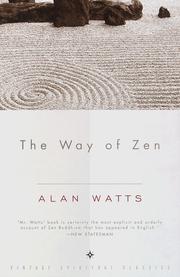
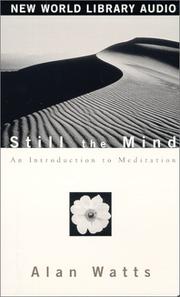
作品年表(35 本)
本站书库里署名阿伦·沃茨的书(Open Library 上至少 10 人加过书架的才收),按首版年份排(有本站书页的用 Wikidata 记的首版年,其余用 Open Library 的);年份偶尔记成后来的版本或译本,以原书为准。全部作品见 Open Library。
- 1936The Spirit of Zen书架 62
- 1947Behold the spirit书架 31
- 1950The supreme identity书架 36
- 1951The Wisdom of Insecurity书架 502
- 1953Myth and ritual in Christianity书架 21
- 1957The Way of Zen书架 276
- 1958Nature, Man,& Woman书架 117
- 1959Beat Zen, square Zen and Zen书架 12
- 1960This is it, and other essays on Zen and spiritual experience书架 55
- 1961Psychotherapy, East and West书架 72
- 1962The joyous cosmology书架 25
- 1963Two Hands of God书架 25
- 1964Beyond theology书架 39
- 1966The Book书架 241
- 1968Meaning of Happiness书架 17
- 1970Does It Matter?书架 52
- 1972In my own way书架 222
- 1973Cloud-hidden, whereabouts unknown书架 22
- 1974The essence of Alan Watts书架 67
- 1975Tao书架 41
- 1977The essential Alan Watts书架 28
- 1980Om书架 10
- 1985Out of the trap书架 13
- 1987The early writings of Alan Watts书架 20
- 1994Talking Zen书架 11
- 1995Become what you are书架 131
- 1995The philosophies of Asia书架 13
- 1996Buddhism, the religion of no-religion书架 23
- 1996Myth and religion书架 14
- 1998Out of Your Mind书架 31
- 1998Taoism书架 21
- 2000Still the Mind书架 28
- 2000What is Tao?书架 11
- 2017The collected letters of Alan Watts书架 14
- 2017Alan Watts - In the Academy书架 12