 书单
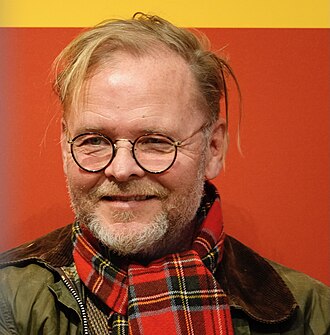
克利斯汀‧柯哈特
- 生卒
- 1966 –
- 国籍
- 瑞士、德国
- 外文名
- Christian Kracht
照片:Amrei-Marie,CC BY-SA 4.0,来自维基共享资源「Christian Kracht 2025 - 1.jpg」(经缩小)。
生平与创作
这个词条暂时没有中文维基百科条目,下面是英文维基百科的内容(英文原文):
Christian Kracht (German pronunciation: [ˈkraxt]; born 29 December 1966) is a Swiss author, journalist, and screenwriter.
His writing deals with key themes of popular culture and consumerism, and his novels often show disillusioned conclusions. His work has been subject to some critical controversy. His books have been translated into more than 30 languages.
Early life
Kracht was born in Saanen in the Canton of Bern. Kracht's father, Christian Kracht Sr., was chief representative for the Axel Springer publishing company in the 1960s. Kracht attended Schule Schloss Salem in Baden-Württemberg, Germany and Lakefield College School in Ontario, Canada. He graduated from Sarah Lawrence College, New York, in 1989.
Journalistic career
Kracht worked as a journalist for a number of magazines and newspapers in Germany, including Der Spiegel. In the mid-1990s, he lived and worked in New Delhi as Spiegel's Indian correspondent. Kracht then moved to Bangkok, from where he visited various other countries in South East Asia and authored travel vignettes which were serialised in the Welt am Sonntag newspaper, and in 2000, collated in the book Der gelbe Bleistift (The Yellow Pencil) . In November 2006, Kracht was a regular columnist for the newspaper Frankfurter Allgemeine Zeitung. His fortnightly column, which originally had the title Letter from..., later changed to Letter from the Past. He also traveled to and wrote pieces on the Panjshir Valley, Mogadishu, Mount Kilimanjaro and about the Safavid architecture of Imam Ali Shrine in Iraq.
In 1998, he worked with Eckhart Nickel to co-author Ferien für immer (A permanent vacation), collated musings on "the most pleasant places on earth".
In 1999, Kracht took part in the performance piece Tristesse Royale with Benjamin von Stuckrad-Barre, Joachim Bessing, Eckhart Nickel, and Alexander, Count of Schönburg-Glauchau. The book is an edited transcript of a recording made by the contributors in which they discuss globalised popular culture while staying at Berlin's Hotel Adlon. For some commentators, this publication constituted the high-water mark of so-called Popliteratur – a literary marketing phenomenon for which Kracht was the supposed figurehead. The author has repeatedly distanced himself from this epithet and has, for example, refused permission for his work to be republished in an anthology of that genre. This notwithstanding, Kracht was the editor of the anthology Mesopotamia – a collection of short stories, fragments and photo montages by authors associated with the pop literature, including Rainald Goetz, Andreas Neumeister and Benjamin von Stuckrad-Barre. First published with the subtitle "Ernste Geschichten am Ende des Jahrtausends" ("Serious stories at the turn of the Millennium"), this subtitle was dropped in its 2001 republication by Deutsche Taschenbuch Verlag in favour of an "Avant-Pop-Reader." The relabeling notably coincided with the deflating currency of the term "pop literature" in the early years of the new century.
Between September 2004 and June 2006, Kracht published the independent literary magazine Der Freund in collaboration with Eckhart Nickel. He initially lived in Kathmandu while working as the magazine's editor before leaving Nepal during a period of political unrest. The chiefly German-language magazine was ultimately completed in San Francisco with a total of eight editions as originally planned. The magazine featured regular contributions from Hans-Ulrich Obrist and Ingo Niermann.
In February 2007, he published Metan (Methane) as the product of a climbing expedition on Kilimanjaro with Ingo Niermann. The book posits that the effects of methane gas on the Earth's atmosphere are part of a vast cosmic conspiracy. Early reviews varied from the critical to the bewildered, one describing it as "großer Quatsch" ("a load of nonsense"). Another reviewer refers to the book as a parody of "alarmism" and suggested it should be taken as a joke: "But if this book is taken as a joke, it probably is not a bad one".
In 2012, Kracht published an exchange of letters with David Woodard entitled Five Years. Although this text is essentially a performance piece, certain episodes in their correspondence were deemed controversial, especially references to Nueva Germania. In February 2012, Georg Diez opined in Der Spiegel that Five Years exposed racist, right-wing sympathies supposedly present in Kracht's latest novel Imperium. This view was widely contested by established critics and authors alike during a sustained literary debate in German-language newspapers and magazines.
Personal life
Kracht is married to German film director Frauke Finsterwalder with whom he has a daughter who was born in 2009. They live in Zurich.
Novels
The protagonists of Kracht's fiction embark on journeys that take them in search of an elusive moment of immersive, utopian experience or spiritual enlightenment often located in a different nation or culture. Their journey usually, but not always, results in disappointment, failure or even death. The theme of travel was introduced in Kracht's debut novel, Faserland (1995). While the first wave of the novel's criticism identified Faserland as a novel about the affirmation of brand names and consumer culture, a second wave of criticism suggested that the novels evinces the protagonist's dissatisfaction with his lifestyle and existential "ennui". Early criticism of the novel suggested the influence of Bret Easton Ellis on his work, with some commentators even accusing him of plagiarism. Since the critical re-evaluation of Faserland, however, critics have observed the potential influence on his work by younger German-language writers such as Leif Randt with his 2011 novel Schimmernder Dunst über Coby County (The glistening haze over Coby County).
以上文字摘自英文维基百科「Christian Kracht」(有删节,去掉了参考文献等尾部小节),按 CC BY-SA 4.0 使用,作者为维基百科的各位编者。
资料卡
- 母语名
- Christian Kracht
- 出生
- 1966 年 12 月 29 日
- 出生地
- 萨嫩
- 职业
- 新闻工作者、作家、科幻作家、电影编剧、编剧
- 使用语言
- 德语
- 就读学校
- 莎拉劳伦斯学院、萨勒姆王宫中学、Lakefield College School
- 创作体裁
- 虚构作品、大众文学
- 领域
- 散文、新闻学、电影编剧
- 配偶
- 弗劳克·芬斯特瓦德
- 代表作
- I'll be here in sunshine and in shadow、Faserland、Imperium、The Dead、1979
- 获奖
- 威廉·拉贝文学奖(2012)、德国影评人协会奖(2013);另有 5 项只有外文名
资料卡来自 Wikidata Q123242(CC0),众包数据,个别字段可能不全。
本站收录的作品(2)
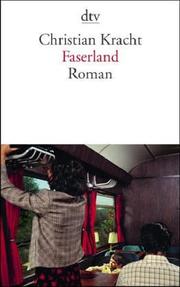
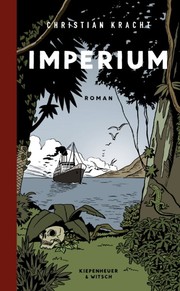
作品年表(2 本)
本站书库里署名克利斯汀‧柯哈特的书(Open Library 上至少 10 人加过书架的才收),按首版年份排(有本站书页的用 Wikidata 记的首版年,其余用 Open Library 的);年份偶尔记成后来的版本或译本,以原书为准。全部作品见 Open Library。