 书单
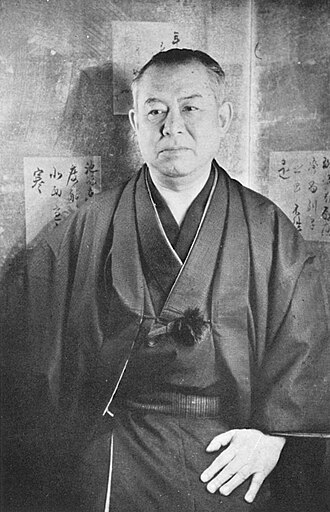
谷崎润一郎
- 生卒
- 1886 – 1965
- 国籍
- 日本、大日本帝国
- 外文名
- Jun'ichirō Tanizaki
照片:作者不详,公有领域,来自维基共享资源「Junichiro Tanizaki 02.jpg」(经缩小)。
生平与创作
谷崎润一郎(日语:谷崎 润一郎,1886年7月24日—1965年7月30日),为日本著名小说家,曾获得诺贝尔文学奖的提名。代表作有长篇小说《春琴抄》、《细雪》,日本文学界推崇其为经典的唯美派大师。
谷崎曾于1958年至1964年间六度获诺贝尔文学奖提名,特别是在1960年与1964年进入了最终候选5人名单。在生前最后一年,他当选首位美国文理科学院日籍名誉院士。
生平
1886到1910年代
谷崎润一郎出生于东京,父亲是米商。1908年他进入东京帝国大学就读文学,读了两年之后就离开学校,并办了《新思潮》文学杂志。1916年与石川千代结婚,隔年生下长女谷崎鲇子。1918年年底他曾到朝鲜,中国北方和江南一带拜访。回到日本之后担任了一阵子的中日文化交流顾问。
1920年到1940年代
1923年9月时,发生了东京大地震,谷崎润一郎全家搬到关西的京都,此后他的写作从青年时的西方风格转变,开始带有一些大阪方言和大阪特有的风土人情。1926年年初,他又再度拜访中国,并结识了文人郭沫若。1949年,63岁时他获得了日本文化勋章。
1950年代到1960年代
谷崎润一郎的弟弟谷崎精二也是日本知名作家。
作品
《刺青》(1910年)——短篇小说
《麒麟》(1910年)——短篇小说
《恶魔》(1912年)——短篇小说
《鬼面》(1916年)——长篇小说
《小小王国》(1918年)——短篇小说
《御国与五平》(1922年)——独幕剧
《痴人之爱》(1925年)——长篇小说
《春琴抄》(1933年)——短篇小说
《源氏物语》(1934年-1941年)——口语译本
《细雪》(1948年)——长篇小说
《少将滋干之母》(1950年)
《钥匙》(1956年)
《疯癫老人日记 (小说)》(1962年)
《阴翳礼赞》——评论集
CD
谷崎润一郎“少年”朗读:朴璐美(保存日本声音)
以上文字摘自维基百科「谷崎潤一郎」(去掉了参考文献等尾部小节),按 CC BY-SA 4.0 使用,作者为维基百科的各位编者。
中文维基百科的条目比较短,下面附上英文维基百科的内容(英文原文):
Jun'ichirō Tanizaki (谷崎 潤一郎, Tanizaki Jun'ichirō; 24 July 1886 – 30 July 1965) was a Japanese author who is considered to be one of the most prominent figures in modern Japanese literature. The tone and subject matter of his work range from shocking depictions of sexuality and destructive erotic obsessions to subtle portrayals of the dynamics of family life within the context of the rapid changes in 20th-century Japanese society. Frequently, his stories are narrated in the context of a search for cultural identity in which the West and Japanese tradition are juxtaposed.
He was one of six authors on the final shortlist for the Nobel Prize in Literature in 1964, the year before his death.
Biography
Early life
Tanizaki was born into a well-to-do merchant-class family in Nihonbashi, Tokyo, where his uncle owned a printing press, which had been established by his grandfather. His parents were Kuragorō and Seki Tanizaki. His older brother, Kumakichi, died three days after his birth, which made him the next eldest son of the family. Tanizaki had three younger brothers: Tokuzō, Seiji (also a writer) and Shūhei, as well three younger sisters: Sono, Ise and Sue. Tanizaki described his admittedly pampered childhood in his Yōshō Jidai (Childhood Years, 1956). His childhood home was destroyed in the 1894 Meiji Tokyo earthquake, to which Tanizaki later attributed his lifelong fear of earthquakes. His family's finances declined dramatically as he grew older until he was forced to reside in another household as a tutor.
Despite these financial problems, he attended the Tokyo First Middle School, where he became acquainted with Isamu Yoshii. Tanizaki attended the Literature Department of Tokyo Imperial University from 1908, but was forced to drop out in 1911 because of his inability to pay for tuition.
Early literary career
Tanizaki began his literary career in 1909. His first work, a one-act stage play, was published in a literary magazine that he had helped found. Tanizaki's name first became widely known with the publication of the short story Shisei (The Tattooer, 1910). In the story, a tattoo artist inscribes a giant spider on the body of a beautiful young woman. Afterwards, the woman's beauty takes on a demonic, compelling power, in which eroticism is combined with sado-masochism. The femme-fatale is a theme repeated in many of Tanizaki's early works, including Kirin (1910), Shonen (The Children, 1911), Himitsu (The Secret, 1911), and Akuma (Devil, 1912). Tanizaki's other works published in the Taishō period include Shindo (1916) and Oni no men (1916), which are partly autobiographical.
Tanizaki married his first wife, Chiyo Ishikawa, in 1915, and his only child, Ayuko, was born in 1916. However, it was an unhappy marriage, and in time he encouraged a relationship between Chiyo and his friend and fellow writer Haruo Satō. The psychological stress of this situation is reflected in some of his early works, including the stage play Aisureba koso (Because I Love Her, 1921) and the novel Kami to hito no aida (Between Men and the Gods, 1924). Even though some of Tanizaki's writings seem to have been inspired by these and other persons and events in his life, his works are far less autobiographical than those of most of his contemporaries in Japan. Tanizaki later adopted Emiko, the daughter of his third wife, Matsuko Morita.
In 1918, Tanizaki toured Chōsen, northern China, and Manchuria. In his early years he became infatuated with the West and all things modern. In 1922, he relocated from Odawara, where he had been living since 1919, to Yokohama, which had a large expatriate population, living briefly in a Western-style house and leading a bohemian lifestyle. This outlook is reflected in some of his early writings.
以上文字摘自英文维基百科「Jun'ichirō Tanizaki」(有删节,去掉了参考文献等尾部小节),按 CC BY-SA 4.0 使用,作者为维基百科的各位编者。
资料卡
- 母语名
- 谷崎潤一郎
- 出生
- 1886 年 7 月 24 日
- 出生地
- 日本桥区
- 逝世
- 1965 年 7 月 30 日
- 逝世地
- 热海市
- 职业
- 作家、小说家、编剧
- 使用语言
- 日语
- 写作语言
- 日语
- 就读学校
- 东京大学
- 配偶
- Matsuko Tanizaki
- 代表作
- 细雪、痴人之爱、Quicksand、刺青、食蓼虫、阴翳礼赞
- 获奖
- 毎日出版文化奖(1947)、朝日奖(1948)、日本文化勋章(1949)、文化功劳者(1951)、毎日出版文化奖(1962)
资料卡来自 Wikidata Q316213(CC0),众包数据,个别字段可能不全。
本站收录的作品(3)
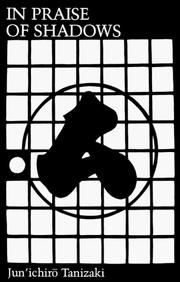
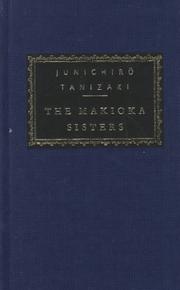
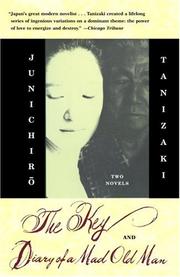
作品年表(8 本)
本站书库里署名谷崎润一郎的书(Open Library 上至少 10 人加过书架的才收),按首版年份排(有本站书页的用 Wikidata 记的首版年,其余用 Open Library 的);年份偶尔记成后来的版本或译本,以原书为准。全部作品见 Open Library。
- 1929蓼喰う蟲 (Tade kuu mushi)书架 19
- 1933阴翳礼赞陰翳礼讃 (In'ei raisan)书架 39
- 1937猫と庄造と二人の女 (Neko to Shōzō to futari no onna)书架 20
- 1947痴人の愛 (Chijin no ai)书架 50
- 1948细雪細雪 (Sasameyuki)书架 69
- 1956键鍵 (Kagi)书架 32
- 1962瘋癲老人日記 (Fūten rōjin nikki)书架 15
- 1963Seven Japanese tales书架 34