书单
百科
这个词条暂时没有中文维基百科条目,下面是英文维基百科的内容(英文原文):
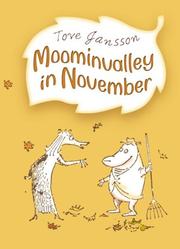
Moominpappa at Sea (Swedish: Pappan och havet, literally "The Father and the Sea") is the eighth book in the Moomin series by Finnish author Tove Jansson. First published in 1965, the novel is set contemporaneously with Moominvalley in November (Sent i november, 1970), and is the last in the series where the titular Moomin family are present within the narrative.
The book follows the titular Moomin family as they arrive on a deserted island in the middle of the sea, documenting their experiences as they become familiar with their newfound surroundings. The book is notable for its introspective and contemplative tone, unlike the other books in the series. Critics have noted its psychological approach, as Moominpappa has a masculinity crisis. The book has also been seen as about how to deal with loneliness, which appears in different forms but is healed by relationships.
The book is based primarily around the character of Moominpappa, who was heavily inspired by Jansson's father, Viktor Jansson. The book's original title is a loose reference to Ernest Hemingway novel The Old Man and the Sea, though this is not reflected in the English translation, and the text instead satirises Virginia Woolf's 1927 modernist novel To the Lighthouse.
The book is considered a classic of Swedish literature: it was named on the Sveriges Television programme Babel in 2013 as one of five books that should form the start of a Swedish literary canon.
Plot
Moominpappa becomes dissatisfied with his life in Moominvalley, so he organizes a journey for his family to find a lighthouse in the sea. Upon arrival, they discover the island to be a desolate and lonely place, inhabited only by an unfriendly fisherman.
Moominpappa wishes to become the lighthouse keeper, but he gives up when he cannot figure out how to fix the lantern. He tries other projects, such as building a pier, fishing, and researching a small lake, but fails at all of them.
Meanwhile, Moominmamma becomes increasingly melancholic as her dream of planting a garden fails, and her longing for home grows stronger. She eventually starts painting the walls of the lighthouse with flowers until she has painted all of Moominvalley. She discovers that she can walk inside the painting to find peace.
Moomintroll explores the nearby woods and finds a thicket that he eventually moves into. He is disappointed to find it already inhabited by ants and asks Little My for help in getting them to move elsewhere. Little My solves the problem by exterminating the ants with petroleum, much to Moomintroll's dismay.
At night, Moomintroll looks for the seafillies whom he admires greatly. The fillies are selfish and mean to Moomintroll, but he does not care. As he tries to attract them by waving his lamp, he instead attracts the Groke, who freezes the ground where she walks. Every night, Moomintroll tries to call for the seafillies, but only ends up being accompanied by the Groke. Slowly, he starts to grow fond of her, and when the lamp ultimately runs out of kerosene, the Groke is no longer cold.
As the story draws to a close, the once disjointed family slowly comes together again. Together, they rescue the lonely fisherman who is in trouble in a rough sea. When they discover that his birthday is coming, they invite him to a party at the lighthouse, which he reluctantly attends, only to slowly realize that he is the original lighthouse keeper. Moominpappa and the fisherman find new purpose in their lives through their shared experience as the novel draws to a close.
Reception
The book is considered a classic of Swedish literature: it was named on the Sveriges Television programme Babel in 2013 as one of only five books that should form the start of a Swedish literary canon.
Annina Rabe, in Svenska Dagbladet, writes that Moominpappa has a midlife and masculinity crisis in the book, feeling that he's no longer needed as everyone is managing quite well on their own. So, he takes them to the sea for an adventure in the hope they'll meet some dangers that he can protect them from.
Ella Andrén, on Dagensbok.com, writes that in the book, Jansson's discussion of her iconic Moomins, with their issues of gender roles and how to find one's place in a family, is deeply human.
Ida Fellman, on the Finnish national broadcaster Yle, wrote that the publication of Pappan och havet made many people wonder if the Moomin books had turned into adult reading. Jansson had replied at the time that there was no distinction between children's and adult's books, and commented that since Moominpappa was losing his masculine self-esteem, he wanted to be able protect his family again. Jansson added that as for Moominmamma, it was no fun always being perfect, harmonious, and a symbol of security; she included Little My to avoid making the whole story syrupy.
Jenny Tunedal, in the Swedish newspaper Aftonbladet, writes that Pappan och havet is a particularly comforting book for people with family issues. In her view, Jansson sets out extremely gently and precisely the roles of alpha male father and correspondingly depressed mother. She likens Moominmamma to Virginia Woolf's Lily Briscoe, and comments that Jansson portrays Moominpappa's character flaws "with tenderness, rigour, and humour". She adds that despite having had trouble understanding her own father, she recognises herself in Moominpappa.
以上文字摘自英文维基百科「Moominpappa at Sea」(有删节,去掉了参考文献等尾部小节),按 CC BY-SA 4.0 使用,作者为维基百科的各位编者。
资料卡
- 原题
- Pappan och havet
- 原作语言
- 瑞典语
- 首次出版
- 1965 年
- 体裁
- 儿童文学
- 所属系列
- Moomins
- 前作
- Tales from Moominvalley
- 续作
- Sent i november
资料卡来自 Wikidata Q2915296(CC0),众包数据,个别字段可能不全。