书单
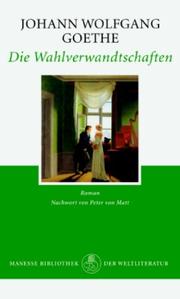
亲和力 (1809)
百科
《亲和力》(德语:Die Wahlverwandtschaften),是歌德的小说,篇幅不大,常与《少年维特之烦恼》并成一本。
主要情节是女主人公(一位忧郁、细腻感伤的少女)爱上了婚姻貌合神离的姨丈(男主人公)。他们痛苦地彼此相爱,后被妻子(即少女的姨妈)发现。这时妻子也有了自己的意中人(一位上尉),但夫妻双方都还只是精神上的出轨而已。在婚姻即将结束的关口,一次聚会让分居已久的夫妻二人在酒醉中想象着彼此情人的模样而结合。妻子竟因此怀孕,丈夫不得不打消离婚的念头并外出以缓解愁苦的心境。
丈夫外出期间妻子生了一个男孩,出乎所有人意料的是孩子的长相与上尉犹如一个模子里刻出来的,而眼睛却好像复制了这位少女的一般。虽然男主人公不久后回来了,因为孩子的出生,少女使自己压抑了对男主人公的爱。婴儿常被交给少女来照顾,一次她在湖上划船,婴儿不小心掉入了湖水毙命。小说对女主人公此刻心理、行为上的描写最详尽细腻。在极度的痛苦和内疚中,少女最终绝食而死。
死后的少女成了传奇,容貌如生,人们纷纷传说触摸她的人就能疾病痊愈。最后把棺材移到了大教堂。此篇小说所刻画的纯洁、细腻的女主人公和男女主人公之间心灵的沟通尤为动人。
以上文字摘自维基百科「亲和力 (小说)」(去掉了参考文献等尾部小节),按 CC BY-SA 4.0 使用,作者为维基百科的各位编者。
中文维基百科的条目比较短,下面附上英文维基百科的内容(英文原文):
Elective Affinities (German: Die Wahlverwandtschaften), also translated under the title Kindred by Choice, is the third novel by Johann Wolfgang von Goethe, published in 1809. Situated around the city of Weimar, the book relates the story of Eduard and Charlotte, an aristocratic couple enjoying an idyllic but somewhat mundane life on a secluded estate; although it is the second marriage for both, their relationship deteriorates after they invite Eduard's friend Captain Otto and Charlotte's orphaned niece, Ottilie, to live with them in their mansion. The invitation to Ottilie and the Captain is described as an "experiment", as it indeed is. The house and its surrounding gardens are described as "a chemical retort in which the human elements are brought together for the reader to observe the resulting reaction." As if in a chemical reaction, each of the spouses experiences a strong new attraction, which is reciprocated: Charlotte, who represents reason, to the sensible and energetic Captain Otto; the impulsive and passionate Eduard to the adolescent and charming Ottilie. The conflict between passion and reason leads to chaos and ultimately to a tragic end.
The novel combines elements of Weimar Classicism, such as the plot layout as a scientific parable, with an opposing tendency towards Romanticism. The term “elective affinities” was originally a scientific term from chemistry, once widely used by scientists such as Robert Boyle, Isaac Newton and Antoine Lavoisier, at first to describe exothermic chemical reactions and later to refer to chemical reactions in which one ion would displace another. Goethe applied this understanding from physical chemistry as a metaphor for human passions supposedly being governed or regulated by such laws of chemical affinity, and examined whether the laws of chemistry somehow undermine or uphold the institution of marriage, as well as other human social relations. Voluntary renunciation also comes into play, a theme that recurs in his fourth novel, Wilhelm Meisters Wanderjahre, oder Die Entsagenden (Wilhelm Meister's Journeyman Years, or the Renunciants).
Plot
Part 1
After the deaths of their respective first spouses, Eduard and his childhood sweetheart, Charlotte, were able to marry. The aristocratic couple lives secluded on Eduard's estate, where Eduard indulges his hobby of landscaping the grounds. The relationship between the two is more of familiarity than of passion. The contemplative togetherness is interrupted when — after Charlotte's initial misgivings — two guests are brought into the household: Eduard's friend, Captain Otto, who is in straitened circumstances, and Charlotte's niece, Ottilie, bereft of both parents and money.
The captain's considerable knowledge and drive motivates a range of improvements to the estate, especially the landscape architecture; Charlotte supports him in this. The young Ottilie is shy, taciturn, empathetic and peaceful, and Charlotte instructs her in household management, a task she soon takes over completely. Gradually, Eduard and Ottilie feel more and more drawn to each other, as do Charlotte and Captain Otto as well. Charlotte and Otto confess their love for each other, but Charlotte asks him to renounce such feelings. Eduard, however, cannot control his lust for Ottilie.
Charlotte, hoping for a return to the status quo ante, asks Eduard to make Ottilie leave; Eduard, however, had anticipated the possibility of a divorce from Charlotte, thinking that she had formed a bond with the captain. Captain Otto leaves the house, and in order to delay giving up Ottilie, Eduard moves away. Left behind, the two women try to carry on with their usual lives, hiring a young architect to continue the landscaping duties. In Eduard's absence, Charlotte finds out that she is pregnant and hopes that Eduard will now return to her, but he is disturbed by the news and resumes his military career. Ottilie, feeling hopeless because of Charlotte's pregnancy, becomes more withdrawn.
以上文字摘自英文维基百科「Elective Affinities」(有删节,去掉了参考文献等尾部小节),按 CC BY-SA 4.0 使用,作者为维基百科的各位编者。
资料卡
- 原题
- Die Wahlverwandtschaften
- 原作语言
- 德语
- 首次出版
- 1809 年
- 作品形式
- 长篇小说
- 前作
- 威廉·迈斯特的学习年代
资料卡来自 Wikidata Q951198(CC0),众包数据,个别字段可能不全。
改编作品
电影1
- 《浪漫年代》The Elective Affinities
名单来自 Wikidata(CC0):只列条目里写明「改编自 / 取材于」这本书的作品,不按名字猜;众包数据,可能不全。