书单
百科
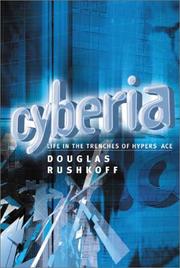
《赛博利亚》(英语:Cyberia)于1994年出版,由道格拉斯·洛希科夫写作,讲述了许多关于技术、毒品和亚文化的不同观点。
洛希科夫采用了汤姆·沃尔夫的《刺激酷爱迷幻考验(Electric Kool-Aid Acid Test)》风格(或《影射小说》),积极成为了他所描述的人和文化的一部分。洛希科夫在此书中主要介绍了关于网络文化、基于盖娅假说提出的全球大脑理论及新萨满主义的主题。
在1994版的序言中,洛希科夫提到,他的书是“我们当今历史中的特殊时刻——这一时刻非常有可能发生。当整个亚文化——像一个儿童第一次尝试虚拟现实的狂喜一样——看到了将最新的计算机技术与最亲密的梦想同最古老的崇高真理相结合的野性潜能。这是个先于美国在线、两千万互联网订阅者、《连线》杂志、比尔·克林顿和信息高速公路的时刻。但这是一个预见更多的时刻。”。
洛希科夫的第一本书在1992年写毕,但直到1994年才出版,这是因为当时出版商担心互联网和电子邮件的关注度仍不高。在《赛博利亚》中,洛希科夫强调“网络反主流文化”重定义了现实,人们开始理解技术文明的建立的系统上、文化上及精神上的影响。 以新技术武装的、熟悉网络空间的、勇于探索未映射的意识领域的他在《赛博利亚》中的努力表现了任何时代中反主流文化所固有的普罗米修斯精神。
被提及的人有:克雷格·内多尔夫, 拉尔夫·亚伯拉罕, 约翰·佩里·巴洛, 丹尼尔·卡特基, 大卫·甘斯, 亚龙·拉尼尔, 布鲁斯·埃斯纳尔, 弗拉泽·克拉克, 米奇·卡普尔, 费玻尔·奥珀提克, 霍华德·莱茵戈德, R·U·西里尤斯, 泰瑞司·麦肯南, 约翰·德雷伯, 妮萨“地球女孩”格里菲斯以及蒂莫西·利里。
以上文字摘自维基百科「赛博利亚」(去掉了参考文献等尾部小节),按 CC BY-SA 4.0 使用,作者为维基百科的各位编者。
中文维基百科的条目比较短,下面附上英文维基百科的内容(英文原文):
Cyberia is a book by Douglas Rushkoff, published in 1994. The book discusses many different ideas revolving around technology, drugs and subcultures. Rushkoff takes a Tom Wolfe Electric Kool-Aid Acid Test style (or roman à clef), as he actively becomes a part of the people and culture that he is writing about. The book goes with Rushkoff as he discusses topics ranging from online culture, the concept of a global brain as put forth in Gaia theory, and Neoshamanism.
In the preface of the 1994 edition, Rushkoff describes his book as "about a very special moment in our recent history – a moment when anything seemed possible. When an entire subculture – like a kid at a rave trying virtual reality for the first time – saw the wild potentials of marrying the latest computer technologies with the most intimately held dreams and the most ancient spiritual truths. It is a moment that predates America Online, twenty million Internet subscribers, Wired magazine, Bill Clinton, and the information superhighway. But it is a moment that foresaw a whole lot more".
The book, with its introduction titled "Surfing the Learning Curve of Sisyphus," captures a pivotal moment in history when endless possibilities emerged. It delves into the lives and experiences of individuals who recognized the impending cultural shift into uncharted territory. People mentioned include: Craig Neidorf, Ralph Abraham, John Barlow, Dan Kottke, David Gans, Jaron Lanier, Bruce Eisner, Fraser Clark, Mitch Kapor, Phiber Optik, Howard Rheingold, R. U. Sirius, Terence McKenna, John Draper, Neysa "Earth Girl" Griffith, Genesis P-Orridge and Timothy Leary.
Rather than offering a comprehensive analysis of the entire cyber landscape, the book provides a guided exploration of select areas within this nascent culture, to which the author gained privileged access. The work is organized into five sections: "Computers: Revenge of the Nerds," "Drugs: The Substances of Designer Reality," "Technoshamanism: The Transition Team," "Cut and Paste: Artists in Cyberia," and "Warfare in Cyberia: Ways and Memes."
Rushkoff's first book was originally penned in 1992 but was not published until 1994 due to publisher concerns that electronic mail and the Internet were still obscure topics unlikely to gain traction. In Cyberia, Rushkoff emphasizes a "cyberian counterculture" out to redefine reality, where people begin to comprehend the systemic, cultural, and spiritual implications afforded by building a technological civilization. Armed with new technologies, familiar with cyberspace, and daring enough to explore unmapped realms of consciousness, his efforts in Cyberia represent the Promethean spirit intrinsic to countercultures throughout the ages.
以上文字摘自英文维基百科「Cyberia (book)」(去掉了参考文献等尾部小节),按 CC BY-SA 4.0 使用,作者为维基百科的各位编者。
资料卡
- 首次出版
- 1994 年
- 体裁
- 新新闻主义、纪实小说
- 主题
- 网络文化
资料卡来自 Wikidata Q5197794(CC0),众包数据,个别字段可能不全。