书单
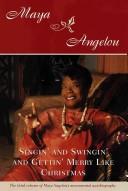
像圣诞节一样欢快地歌唱 (1976)
百科
这个词条暂时没有中文维基百科条目,下面是英文维基百科的内容(英文原文):
Singin' and Swingin' and Gettin' Merry like Christmas is the third book of Maya Angelou's seven-volume autobiography series. Set between 1949 and 1955, the book spans Angelou's early twenties. In this volume, Angelou describes her struggles to support her young son, form meaningful relationships, and forge a successful career in the entertainment world. The work's 1976 publication was the first time an African-American woman had expanded her life story into a third volume. Scholar Dolly McPherson calls the book "a graphic portrait of the adult self in bloom" and critic Lyman B. Hagen calls it "a journey of discovery and rebirth".
In Singin' and Swingin, Angelou examines many of the same subjects and themes in her previous autobiographies including travel, music, race, conflict, and motherhood. Angelou depicts the conflict she felt as a single mother, despite her success as a performer as she travels Europe with the musical Porgy and Bess. Her depictions of her travels, which take up 40 percent of the book, have roots in the African-American slave narrative. Angelou uses music and musical concepts throughout Singin' and Swingin'; McPherson calls it Angelou's "praisesong" to Porgy and Bess. Angelou's stereotypes about race and race relations are challenged as she interacts more with people of different races. During the course of this narrative, she changes her name from Marguerite Johnson to Maya Angelou for professional reasons. Her young son changes his name as well, from Clyde to Guy, and their relationship is strengthened as the book ends.
Background
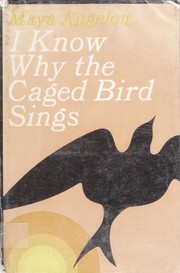
Angelou followed her first two installations of her autobiography, I Know Why the Caged Bird Sings (1969) and Gather Together in My Name (1974), with Singin' and Swingin' and Gettin' Merry like Christmas, published in 1976. It marked the first time a well-known African-American woman writer had expanded her life story into a third autobiography. She also published two volumes of poetry: Just Give Me a Cool Drink of Water 'fore I Diiie (1971), which was nominated for a Pulitzer Prize, and Oh Pray My Wings Are Gonna Fit Me Well (1975). Angelou had become recognized and highly respected as a spokesperson for Blacks and women. It made her, as scholar Joanne Braxton stated, "without a doubt ... America's most visible black woman autobiographer".
Writer Hilton Als calls Angelou, along with feminist diarirst Anaïs Nin, "pioneers of self-exposure, willing to turn a spotlight on their own sometimes questionable exploits and emotional shortcomings". Angelou, unlike African-American women autobiographers who wrote during the 19th and early 20th centuries, was able to use herself as the main character in her books. Writer Julian Mayfield, who calls I Know Why the Caged Bird Sings "a work of art that eludes description", states that Angelou's work set a precedent in describing "the black experience" in African-American literature. While Angelou was composing her second autobiography, Gather Together in My Name (1974), she was concerned about how her readers would react to her disclosure that she had been a prostitute. Her husband Paul du Feu talked her into writing about it anyway, encouraging her to "tell the truth as a writer" and "be honest about it".
Title
According to Angelou, the book's title came from the rent parties of the 1920s and 1930s, where people would pay the host an inexpensive entry fee and then eat and drink throughout the weekend. As she stated, people would "sing and swing and get merry like Christmas so one would have some fuel with which to live the rest of the week". These parties, also called "parlor socials", were attended by members of the working class who were unable to afford to go to Harlem's more expensive clubs. As critic Mary Jane Lupton stated: "The concept of the rent party helps describe Angelou's position ... She is a single mother from the South who goes to California and sings and swings for a living. She entertains others for little money as a singer, B-girl, and dancer, without getting very merry at all." Scholar Sondra O'Neale described the phrase as "a folkloric title symbolic of the author's long-deserved ascent to success and fulfillment".
Lupton writes that the title is based upon a simile, a literary technique Angelou often uses in Singin' and Swingin' and throughout her books. Lupton also considered the title "ironic"; Angelou uses positive words like singin' and swingin' that reflect several meanings related to the text. These words describe the beginnings of Angelou's career as an entertainer, but the irony in the terms also depict the conflict Angelou felt about her son. The words "gettin' merry like Christmas" are also ironic: "Singin' and Swingin' and Gettin' Merry like Christmas was Angelou's most unmerry autobiography." Because music is one of the book's themes, Angelou uses abbreviated verb endings in her title that reflect Black dialect and evoke the sound of a blues singer.
以上文字摘自英文维基百科「Singin' and Swingin' and Gettin' Merry like Christmas」(有删节,去掉了参考文献等尾部小节),按 CC BY-SA 4.0 使用,作者为维基百科的各位编者。
资料卡
- 原题
- Singin' and Swingin' and Gettin' Merry Like Christmas
- 原作语言
- 英语
- 作品形式
- 长篇小说
- 体裁
- 自传
- 首版出版社
- 兰登书屋
- 前作
- 以我之名相聚
- 续作
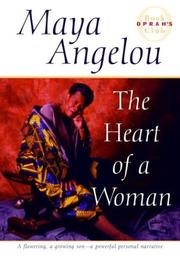
- The Heart of a Woman
资料卡来自 Wikidata Q7523521(CC0),众包数据,个别字段可能不全。
更多资料与书评
在哪读
同系列 / 前后作品
马娅·安杰卢 的其他作品
作者页 ›