书单
百科
这个词条暂时没有中文维基百科条目,下面是英文维基百科的内容(英文原文):
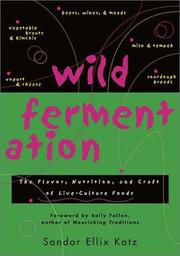
Wild Fermentation: The Flavor, Nutrition, and Craft of Live-Culture Foods is a 2003 book by Sandor Katz that discusses the ancient practice of fermentation. While most of the conventional literature assumes the use of modern technology, Wild Fermentation focuses more on the practice and culture of fermenting food.
The term "wild fermentation" refers to the reliance on naturally occurring bacteria and yeast to ferment food. For example, conventional bread making requires the use of a commercial, highly specialized yeast, while wild-fermented bread relies on naturally occurring cultures that are found on the flour, in the air, and so on. Similarly, the book's instructions on sauerkraut require only cabbage and salt, relying on the cultures that naturally exist on the vegetable to perform the fermentation.
The book also discusses some foods that are not, strictly speaking, wild ferments such as miso, yogurt, kefir, and nattō.
Beyond food, the book includes some discussion of social, personal, and political issues, such as the legality of raw milk cheeses in the United States.
Newsweek has referred to Wild Fermentation as the "fermentation bible".
以上文字摘自英文维基百科「Wild Fermentation」(去掉了参考文献等尾部小节),按 CC BY-SA 4.0 使用,作者为维基百科的各位编者。
资料卡
- 原题
- Wild Fermentation
- 原作语言
- 英语
- 首次出版
- 2016 年
- 主题
- 发酵
资料卡来自 Wikidata Q8000627(CC0),众包数据,个别字段可能不全。