 书单
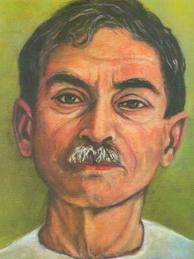
普列姆昌德
- 生卒
- 1880 – 1936
- 国籍
- 英属印度
- 外文名
- Premchand
照片:Ankur8563,CC BY-SA 3.0,来自维基共享资源「Prem chand.jpg」(经缩小)。
生平与创作
普列姆昌德(天城文:प्रेमचंद,乌尔都文:پریمچں,拉丁化:Munshi Premchand。天城文原名:धनपत राय श्रीवस्तव,拉丁化:Dhanpat Rai Srivastava,1880年7月31日—1936年10月8日)英属印度小说家,英属印度现实主义小说家,被誉为“印地语小说之王”。普列姆昌德和中华民国小说家、杂文家鲁迅生活在同一个时期。
普列姆昌德是现代印度、乌尔都文学的巨匠之一。普列姆昌德是笔名。
生平
1880年,普列姆昌德出生在英属印度。
5岁时,普列姆昌德开始在学堂读书,学波斯语和乌尔都语,曾当过家庭教师。
8岁时,普列姆昌德的母亲去世。
17岁时,普列姆昌德和一名女子结婚,但是两人没有感情。不久之后,父亲去世。
19岁时,普列姆昌德进入公立学校“阿拉哈巴德师范学院”读书。
1905年,普列姆昌德的妻子离家出走,再也没有回来。他就和一个寡妇结了婚,两人感情很好。
1920年,英属印度爆发了民族独立斗争运动,面对甘地领导的波涛汹涌的群众运动,普列姆昌德看清时势,迅速辞去在英国殖民政府的公职,表示自己不和英国人合作,之后在私立学校当教师。
1934年,普列姆昌德为了解决《天鹅》和《觉醒》杂志的经济困难问题,到孟买的一家电影制片厂工作。
1936年4月,普列姆昌德主持了英属印度进步作家协会第一次大会。
作品
金鼎汉译. 《妮摩拉》 (中文(简体)).
《服务院》 (中文(简体)).
《博爱新村》 (中文(简体)).
《舞台》 (中文(简体)).
《圣洁的土地》 (中文(简体)).
《戈丹》 (中文(简体)).
风格
普列姆昌德在其杂志《天鹅》和《觉醒》中刊布文章支持中华民国抗击大日本帝国的侵略,同时他预言了未来中国共产党夺取中国大陆政权。
其作品主要是现实主义风格。早期用乌尔都语写作,倾向于社会改良主义,自《戈丹》之后,开始支持甘地的“非暴力不合作”思想。
以上文字摘自维基百科「普列姆昌德」(去掉了参考文献等尾部小节),按 CC BY-SA 4.0 使用,作者为维基百科的各位编者。
中文维基百科的条目比较短,下面附上英文维基百科的内容(英文原文):
Dhanpat Rai Srivastava (31 July 1880 – 8 October 1936), better known as Munshi Premchand based on his pen name Premchand (pronounced [preːm t͡ʃənd̪] ), was an Indian writer famous for his modern Hindustani literature.
Premchand was a pioneer of Hindi and Urdu social fiction. He was one of the first authors to write about caste hierarchies and the plight of women and labourers of the late 1880s. He is one of the most celebrated writers of the Indian subcontinent, and is regarded as one of the foremost Hindi writers of the early twentieth century. His works include Godaan, Karmabhoomi, Gaban, Mansarovar, and Idgah. He published his first collection of five short stories in 1907 in a book called Soz-e-Watan (Sorrow of the Nation).
His works include more than a dozen novels, around 300 short stories, several essays and translations of a number of Indian and foreign literary works into Hindi.
Biography
Early life
Premchand was born on 31 July 1880 in Lamhi, a village located near Banaras, and was named Dhanpat Rai ("master of wealth"). His ancestors came from a large Chitraguptavanshi Kayastha family, which owned eight to nine bighas of land. His grandfather, Guru Sahai Rai, was a patwari (village land record-keeper), and his father, Ajaib Lal, was a post office clerk. His mother was Anandi Devi of Karauni village, who probably was also his inspiration for the character Anandi in his "Bade Ghar Ki Beti". Dhanpat Rai was the fourth child of Ajaib Lal and Anandi; the first two were girls who died as infants, and the third one was a girl named sama. His uncle, Mahabir, a rich landowner, nicknamed him "Nawab", meaning baron. "Nawab Rai" was the first pen name chosen by Dhanpat Rai.
When he was seven years old, Dhanpat Rai began his education at a madrasa in Lalpur, Varanasi, located near Lamhi. He learned Urdu and Persian from a maulvi in the madrasa. When he was 8, his mother died after a long illness. His grandmother, who was responsible for raising him, died soon after. Munshi Premchand felt isolated, as his elder sister Suggi had already been married, and his father was always busy with work. His father, who was now posted at Gorakhpur, remarried, but Premchand received little affection from his stepmother. The stepmother later became a recurring theme in Premchand's works.
As a child, Dhanpat Rai sought solace in fiction and developed a fascination for books. He heard the stories of the Persian-language fantasy epic Tilism-e-Hoshruba at a tobacconist's shop. He took the job of selling books for a book wholesaler, thus getting the opportunity to read a lot of books. He learnt English at a missionary school and studied several works of fiction, including George W. M. Reynolds's eight-volume The Mysteries of the Court of London. He composed his first literary work at Gorakhpur, which was never published and is now lost. It was a farce on a bachelor who falls in love with a low caste woman. The character was based on Premchand's uncle, who used to scold him for being obsessed with reading fiction; the farce was probably written as revenge for this.
After his father was posted to Zamania in the mid-1890s, Dhanpat Rai enrolled at the Queen's College at Banaras as a day scholar. In 1895, he was married at the age of 15, while still studying in the ninth grade. The match was arranged by his maternal step-grandfather. The girl was from a rich landlord family and was older than Premchand, who found her quarrelsome and not good-looking.
以上文字摘自英文维基百科「Premchand」(有删节,去掉了参考文献等尾部小节),按 CC BY-SA 4.0 使用,作者为维基百科的各位编者。
资料卡
- 笔名
- प्रेमचन्द、नवाब राय
- 出生
- 1880 年 7 月 31 日
- 出生地
- 瓦拉纳西
- 逝世
- 1936 年 10 月 8 日
- 逝世地
- 瓦拉纳西 等 2 项
- 职业
- 小说家、编剧、作家、散文家、编辑、短篇故事作家、新闻工作者
- 使用语言
- 印度斯坦语、印地语、乌尔都语
- 写作语言
- 印地语、乌尔都语、印度斯坦语
- 就读学校
- 安拉阿巴德大学
- 创作体裁
- 社会小说、现实主义文学
- 配偶
- Shivarani Devi
- 代表作
- गोदान、Bazaar-e-Husn、Karmabhoomi、Shatranj ke khiladi、Gaban、Nirmala
资料卡来自 Wikidata Q174152(CC0),众包数据,个别字段可能不全。
本站收录的作品(1)
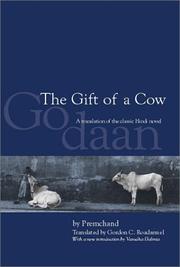
作品年表(12 本)
本站书库里署名普列姆昌德的书(Open Library 上至少 10 人加过书架的才收),其中 3 本记的年份比作者去世晚 50 年以上或者早于他出生(多半是后世的版本、译本或占位年份),不列年份,按首版年份排(有本站书页的用 Wikidata 记的首版年,其余用 Open Library 的);年份偶尔记成后来的版本或译本,以原书为准。全部作品见 Open Library。
- 1936Nirmalā书架 57
- 1936Godāna书架 51
- 1946Short stories书架 32
- 1961Goʼdān书架 15
- 1969The world of Premchand书架 32
- 1972Godan书架 11
- 1975Nirmala书架 41
- 1979Godan书架 276
- 1982Idgah书架 16
- 年份不详Kafan书架 166
- 年份不详Godan; A Novel of Peasant India书架 13
- 年份不详Godaan书架 11