 书单
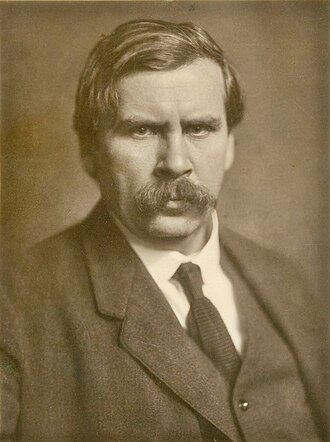
日格蒙德·莫里兹
- 生卒
- 1879 – 1942
- 国籍
- 匈牙利
- 外文名
- Zsigmond Móricz
照片:Aladár Székely,公有领域,来自维基共享资源「Móricz Zsigmond 1920 körül (Székely Aladár felvétele) – crop.jpg」(经缩小)。
生平与创作
莫里茨·日格蒙德(匈牙利语:Móricz Zsigmond,1879年6月29日—1942年9月4日),匈牙利诗人、小说家,其散文多描写小村镇的事物,曾为文学期刊《西方》(Nyugat)的编辑。布达佩斯建有莫里兹·日格蒙德圆环作为纪念。
莫里茨·日格蒙德生于奇萨切采的贫苦农民家庭。中学毕业后曾入神学院学习。第一次世界大战中当过战地记者。参加了1918—1919年在匈牙利发生的两次革命,革命失败后思想上曾一度苦闷消沉,三十年代后受到工农运动的激励,又有所振作。在1908年发表第一篇短篇小说《七个铜板》,以内容和形式上的创新轰动当时的文坛。1916年发表的短篇小说《穷人》艺术性更高,通过一个士兵从前线回乡探亲的故事,突出表现了匈牙利社会的贫富对立和战争对普通农民心灵的摧残。1910年和1911年先后发表的长篇小说《纯金》和《在上帝的背后》取材于农村和小城镇的生活,描写一生怀有善良愿望的人如何为旧社会所淹没。1926、1928和1930年相继发表的长篇小说《通宵达旦》、《老爷的狂欢》和《亲戚》深刻揭露上层社会的腐化堕落生活。之后写作关于农民的《山盗》(1936年)与未完稿的历史小说《罗饶·山多尔》(1940-1942年)。
以上文字摘自维基百科「莫里茨·日格蒙德」(去掉了参考文献等尾部小节),按 CC BY-SA 4.0 使用,作者为维基百科的各位编者。
中文维基百科的条目比较短,下面附上英文维基百科的内容(英文原文):
Zsigmond Móricz (Hungarian pronunciation: [ˈʒiɡmond ˈmoːrit͡s]; 29 June 1879, Tiszacsécse – 4 September 1942) was a major Hungarian novelist and Social Realist.
Biography
Zsigmond Móricz was born in Tiszacsécse in 1879 to Bálint Móricz and Erzsébet (née Pallagi). On his mother's side, he came from an impoverished but ancient noble family while his father was the descendant of serfs. He studied at the Debrecen Reformed Theological University (1891–1893), Sárospataki Kollégium (1894–1896), and in Kisújszállás and Szakoly (1896–1898). In 1899, he enrolled at the Debrecen Reformed Theological University to study theology, but transferred into law after only six months.
In 1903, he began to work as a journalist at the newspaper Az Újság, remaining there until 1909.
During the revolutionary government after World War I, he was vice president of the Vörösmarty Academy. After its fall, his plays were not performed in the National Theater, and his work was published only in Nyugat and Az Est. At the end of 1929, he became the prose editor for Nyugat.
In 1905, Moricz married Eugénia Holics. Suffering from depression, she committed suicide in 1925. He married for a second time in 1926 to Mária Simonyi.
His novels express the lives of the Hungarian peasantry and dealt with issues of poverty.
Works
Kivilágos kivirradtig (Until the Small Hours of Morning) (1924)
Légy jó mindhalálig (Be Faithful Unto Death) (1920), a classic of Hungarian literature. It is the story from the viewpoint of an 11-year-old boy at a boarding school in Debrecen.
Úri muri (Very Merry) (1928)
Rokonok (Relatives) (1932)
Hét krajcár (Seven Pennies and Other Short Stories) (1907)
Az ezüstkirály sípja. Iromba J (Silver King's Flute; Broody Jankó)
Sárarany (Gold in the Mud: A Hungarian Peasant Novel) (1911)
Az Isten háta mögött (In the Godforsaken Hinterlands: A Tale of Provincial Hungary) (1911)
Árvácska (Orphalina) (1941)
Film adaptations
Be True Until Death (1936)
Be True Until Death (1960)
Criticism
The Novels of Zsigmond Móricz in the Context of European Realism: A Thematic Approach (by Virginia L. Lewis) (2023)
Legacy
Móricz Zsigmond körtér in Budapest is named after him, as is its metro station.
Móricz Zsigmond Gimnázium in Budapest is named after him.
以上文字摘自英文维基百科「Zsigmond Móricz」(去掉了参考文献等尾部小节),按 CC BY-SA 4.0 使用,作者为维基百科的各位编者。
资料卡
- 母语名
- Móricz Zsigmond
- 出生
- 1879 年 7 月 2 日
- 出生地
- 蒂萨切切
- 逝世
- 1942 年 9 月 5 日
- 逝世地
- 布达佩斯
- 职业
- 作家、新闻工作者、剧作家、儿童文学作家、采编
- 使用语言
- 匈牙利语
- 就读学校
- 德布勒森大学(1899)
- 文学运动 / 流派
- 现实主义文学
- 领域
- 散文、儿童文学、编辑、新闻学
- 配偶
- Mária Simonyi
资料卡来自 Wikidata Q227312(CC0),众包数据,个别字段可能不全。
本站收录的作品(2)
作品改编
同时代的匈牙利作家
同一流派:现实主义文学
Open Library 上的全部作品
正在读取…