书单
百科
这个词条暂时没有中文维基百科条目,下面是英文维基百科的内容(英文原文):
The Tale of The Flopsy Bunnies is a children's book written and illustrated by Beatrix Potter, and first published by Frederick Warne & Co. in July 1909. After two full-length tales about rabbits, Potter had grown weary of the subject and was reluctant to write another. She realized however that children most enjoyed her rabbit stories and pictures, and so reached back to characters and plot elements from The Tale of Peter Rabbit (1902) and The Tale of Benjamin Bunny (1904) to create The Flopsy Bunnies. A semi-formal garden of archways and flowerbeds in Wales at the home of her uncle and aunt became the background for the illustrations.
In The Flopsy Bunnies, Benjamin Bunny and his cousin Flopsy are the parents of six young rabbits called simply the Flopsy Bunnies. The story concerns how the Flopsy Bunnies, while raiding a rubbish heap of rotting vegetables, fall asleep and are captured by Mr. McGregor who places them in a sack. While McGregor is distracted, the six are freed by Thomasina Tittlemouse, a woodmouse, and the sack is filled with rotten vegetables and a brush by Benjamin and Flopsy. At home, Mr. McGregor proudly presents the sack to his wife, but receives a sharp scolding when she discovers its actual content.
Modern critical commentary varies. One critic points out that the faces of the rabbits are expressionless while another argues that the cock of an ear or the position of a tail conveys what the faces lack. One critic believes the tale lacks the vitality of The Tale of Peter Rabbit which sprang from a picture and story letter to a child. Most agree though that the depictions of the garden are exquisite and some of the finest illustrations Potter created.
Background
The Tale of Peter Rabbit and its three sequels are the best known and most successful of Potter's books. The author had an affinity for rabbits; she lived with them as pets and observed them closely for years. Though she once wrote that rabbits were creatures of "warm volatile temperaments" and were "shallow and extremely transparent", she invested her rabbits with a variety of characterizations consistent with the nature of the animal. All the rabbit tales were inspired in part by Joel Chandler Harris's Uncle Remus stories, which Potter began illustrating as early as 1893 in an attempt to find career direction and probably because they featured a rabbit as principal player. Although she incorporated Harris's "rabbit-tobacco" and his "lippity-clippity, clippity-lippity" (as "lippity-lippity") into her literary vocabulary, she was unable to bring his characters to the English country garden as Victorian gentlemen – they remained inexorably fixed in the Antebellum American South as slaves and slave owners. Harris's wily Br'er Rabbit is motivated by vengeance and wins by cunning, but Potter's rabbits have no such motivation and succeed due to their adventurous spirit and pure luck.
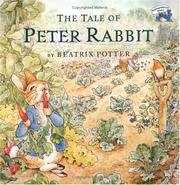
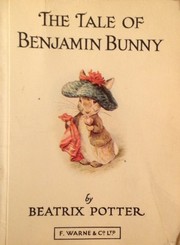
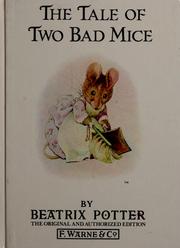
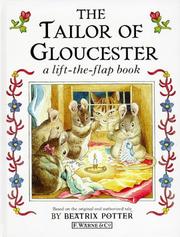
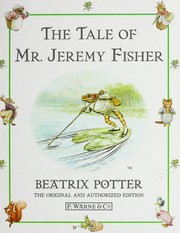
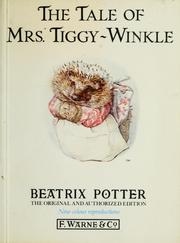
Helen Beatrix Potter was born in Kensington, London on 28 July 1866 to wealthy parents, and educated at home by a series of governesses and tutors. She displayed artistic talent early, drawing and sketching mammals, insects, reptiles and amphibians, flowers and plants. In the early 1890s, she enjoyed her first professional artistic success when she sold six designs to a greeting card publisher. On 16 December 1901, she privately issued The Tale of Peter Rabbit, and, on 2 October 1902, a trade edition of the tale was released by Frederick Warne & Co. to great success. She published tales similar in content, style, and format for Warnes in the years to follow, and, in 1904, The Tale of Benjamin Bunny, a sequel to Peter Rabbit. In July 1905, Potter bought Hill Top, a working farm in the Lake District with the profits from her books and a small legacy left her by an aunt; the farm became her home away from London and her artistic retreat. In a few years, Potter had established her own career, income, and home.
Early in the autumn of 1908, Potter wrote her publisher Harold Warne that she had several ideas for new books. She sent him the text of The Faithful Dove, a tale set in Rye she had composed years earlier and for which she had produced a group of sketches. With it, she included a sequel to The Tale of Benjamin Bunny starring Benjamin's offspring, The Flopsy Bunnies. Though she had complained at times that the rabbit characters had become "wearisome", she had written a young fan, William Warner, that children liked her rabbits best and that she ought to write another rabbit book. The third tale she sent Warne was about the village shop in Sawrey. "I should like to get rid of one of them," she wrote Warne about her story ideas, "When a thing is once printed I dismiss it from my dreams! & don't care what becomes of the reviewers. But an accumulation of half finished ideas is bothersome." The Tale of the Flopsy Bunnies and the story about the shop (eventually The Tale of Ginger and Pickles) were chosen for publication in 1909. The Tale of the Flopsy Bunnies was finished in March 1909 and published in July of the same year.
In conjunction with the tale, Potter created a series of letters from The Flopsy Bunnies decreasing in size and competence of execution according to each bunny's position in the family. The letters from the youngest fifth and sixth bunnies are miniature epistles of nothing but scribbles and kisses. Thomasina Tittlemouse, the tale's "resourceful" heroine, became the main character of her own book in 1910 titled The Tale of Mrs. Tittlemouse.
以上文字摘自英文维基百科「The Tale of the Flopsy Bunnies」(有删节,去掉了参考文献等尾部小节),按 CC BY-SA 4.0 使用,作者为维基百科的各位编者。
资料卡
- 原题
- The Tale of The Flopsy Bunnies
- 插图
- 碧雅翠丝·波特
- 原作语言
- 英语
- 首次出版
- 1909 年 7 月
- 体裁
- 儿童文学
- 首版出版社
- 费德里克·沃恩公司
- 前作
- 猫布丁的故事
- 续作
- The Tale of Ginger and Pickles
资料卡来自 Wikidata Q3062161(CC0),众包数据,个别字段可能不全。
更多资料与书评
在哪读
碧雅翠丝·波特 的其他作品
作者页 ›