书单
百科
这个词条暂时没有中文维基百科条目,下面是英文维基百科的内容(英文原文):
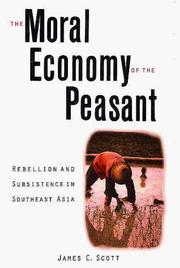
The Moral Economy of the Peasant: Rebellion and Subsistence in Southeast Asia is a 1976 book by James C. Scott on the nature of subsistence ethics in peasant cultures. He asserted that the highest priority for most peasants is ensuring that their incomes will not fall below minimal subsistence level. They desire higher income levels, and will pursue them aggressively under some circumstances, but if their only path toward higher incomes is a gamble that might drop them below subsistence level if it did not work out, they will almost always reject that gamble.
Scott asserted that in traditional societies, many (though by no means all) peasants have relationships with the elite that provide some degree of assurance that the peasants will not fall below subsistence level. The peasants believe that elites are under a strong moral obligation to behave in a fashion that respects peasant needs (hence the phrase “moral economy”), and they use such leverage as they have to persuade elites to do this. Elites are naturally less enthusiastic about this than peasants are. The processes of modernization often reduce peasant leverage. When peasant leverage becomes inadequate, elites often abandon their traditional moral obligations. Peasants react with shock and outrage, sometimes with riot or rebellion.
Scott cites two 1930s rebellions as examples: the Burmese Saya San Rebellion and the Vietnamese Nghệ-Tĩnh Soviets.
以上文字摘自英文维基百科「The Moral Economy of the Peasant」(去掉了参考文献等尾部小节),按 CC BY-SA 4.0 使用,作者为维基百科的各位编者。
资料卡
- 首次出版
- 1976 年
资料卡来自 Wikidata Q24259855(CC0),众包数据,个别字段可能不全。