书单
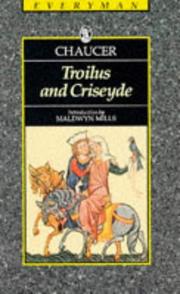
特洛伊罗斯与克丽西达 (1380 年代)
百科
《特洛伊罗斯与克丽西达》(英语:Troilus and Criseyde)是英国作家乔叟以中古英语转述的史诗。它以特洛伊战争为背景,讲述了一对恋人,特洛伊罗斯和克丽西达的悲剧故事。它以君王诗体写就,并在14世纪八十年代中叶完篇。许多乔叟学者认为这部诗堪称他最为完美的作品。相比知名度更高的却并未完篇的坎特伯雷故事集,这首长诗更加饱满、丰盈。这首史诗通常被人认为是一句俗语:“天下没有不散的筵席”的来源。
尽管特洛伊罗斯早在古希腊文学中就已经出现,但将他作为恋爱故事的主角还是中世纪的原创操作。已知的第一个故事是Benoît de Sainte-Maure的诗作《特洛伊的浪漫》。但是乔叟的主要灵感来源似乎是再创作了Maure的诗,并收入在自己的十日谈中的薄伽丘。比起薄伽丘的版本,乔叟的改写被认为更加理性且对于女性的偏见不再那么强烈。
这部作品对于后世的作者们有着深远影响。罗伯特·亨利森的苏格兰语诗作《克丽西达的遗嘱》更进一步的想象了乔叟所没有提及关于克丽西达的,更为悲惨的命运。另外,莎士比亚的作品脱爱勒斯与克莱西达的故事背景尽管更加昏暗沉重,但是也部分基于乔叟的原作完成。
以上文字摘自维基百科「特洛伊羅斯與克麗西達」(去掉了参考文献等尾部小节),按 CC BY-SA 4.0 使用,作者为维基百科的各位编者。
中文维基百科的条目比较短,下面附上英文维基百科的内容(英文原文):
Troilus and Criseyde is an epic poem by Geoffrey Chaucer which re-tells in Middle English the tragic story of the lovers Troilus and Criseyde set against a backdrop of war during the siege of Troy. It was written in rime royale and probably completed during the mid-1380s. Many Chaucer scholars regard it as the poet's finest work. As a finished long poem, it is more self-contained than the better known but ultimately unfinished The Canterbury Tales. This poem is often considered the source of the phrase: "all good things must come to an end" (3.615).
Although Troilus is a character from Ancient Greek literature, the expanded story of him as a lover was of Medieval origin. The first known version is from Benoît de Sainte-Maure's poem Roman de Troie, but Chaucer's principal source appears to have been Boccaccio, who re-wrote the tale in his Il Filostrato. Chaucer attributes the story to a "Lollius" (whom he also mentions in The House of Fame), although no writer with this name is known. Chaucer's version can be said to reflect a less cynical and less misogynistic world-view than Boccaccio's, casting Criseyde as fearful and sincere rather than simply fickle and having been led astray by the eloquent and perfidious Pandarus. It also inflects the sorrow of the story with humour.
The poem had an important legacy for later writers. Robert Henryson's Scots poem The Testament of Cresseid imagined a rambunctious fate for Criseyde not given by Chaucer. In historical editions of the English Troilus and Criseyde, Henryson's distinct and separate work was sometimes included without accreditation as an "epilogue" to Chaucer's tale. Other texts, for example, John Metham's Amoryus and Cleopes (c. 1449), adapt language and authorship strategies from the famous predecessor poem. Shakespeare's tragedy Troilus and Cressida, although much darker in tone, was also based in part on the material.
Troilus and Criseyde is usually considered to be a courtly romance, although the generic classification is an area of significant debate in most Middle English literature. It is part of the Matter of Rome cycle, a fact which Chaucer emphasizes.
Characters
Troilus, Trojan Prince, a warrior, the son of King Priam and wooer of Criseyde
Criseyde, Calchas' daughter
Achilles, a Greek warrior
Antenor, a soldier held captive by the Greeks, traded for Criseyde's safety, eventually betrays Troy
Calchas, a Trojan prophet who joins the Greeks
Diomede, woos Criseyde in the Greek Camp
Helen, wife to Menelaus, lover of Paris
Pandarus, Criseyde's uncle, who advises Troilus in the wooing of Criseyde
Priam, King of Troy
Cassandra, Daughter of Priam, a prophetess at the temple of Apollo
Hector, Prince of Troy, fierce warrior and leader of the Trojan armies
Paris, Prince of Troy, lover of Helen
Deiphobus, Prince of Troy, aids Troilus in the wooing of Criseyde
Synopsis
Calchas, a soothsayer, foresees the fall of Troy and abandons the city in favour of the Greeks; his daughter, Criseyde, receives some ill will on account of her father's betrayal. Troilus, a warrior of Troy, publicly mocks love and is punished by the God of Love by being struck with irreconcilable desire for Criseyde, whom he sees passing through the temple. With the help of sly Pandarus, Criseyde's uncle, Troilus and Criseyde begin to exchange letters. Eventually, Pandarus develops a plan to urge the two into bed together; Troilus swoons when he thinks the plan is going amiss, but Pandarus and Criseyde revive him. Pandarus leaves, and Troilus and Criseyde spend a night of bliss together.
以上文字摘自英文维基百科「Troilus and Criseyde」(有删节,去掉了参考文献等尾部小节),按 CC BY-SA 4.0 使用,作者为维基百科的各位编者。
资料卡
- 原题
- Troilus and Criseyde
- 原作语言
- 中古英语
- 首次出版
- 1380 年代
- 作品形式
- 诗作
- 体裁
- 史诗
- 改编自 / 取材于
- Roman de Troie
资料卡来自 Wikidata Q2527101(CC0),众包数据,个别字段可能不全。
改编作品
取材于它的书1
- 《脱爱勒斯与克莱西达》Troilus and Cressida
名单来自 Wikidata(CC0):只列条目里写明「改编自 / 取材于」这本书的作品,不按名字猜;众包数据,可能不全。